THE ADVENTURE COLLECTIVE® · Independent discovery and booking for outdoor travel

Break the day, not your plans: a 30-minute session at Tokyo’s Reeast Room lets you smash objects or throw axes under guided supervision. Perfect for a quick, cathartic reset in Ikebukuro, Shinjuku, or Asakusa.
Break the day, not your plans: a 30-minute session at Tokyo’s Reeast Room lets you smash objects or throw axes under guided supervision. Perfect for a quick, cathartic reset in Ikebukuro, Shinjuku, or Asakusa.
The door hisses behind you and the room changes—neon artwork to one side, stacked shelves of breakables to the other. A plastic bat feels heavy in your hand; the first swing cracks the silence and the shards scatter like rapid applause. In a half-hour session at Reeast Room you trade commuter pressure for a small, deliberate chaos.
Verified experiences and guided adventures in the surrounding area.
Operated by Reeast Room · Tokyo, Tokyo
The door hisses behind you and the room changes—neon artwork to one side, stacked shelves of breakables to the other. A plastic bat feels heavy in your hand; the first swing cracks the silence and the shards scatter like rapid applause. In a half-hour session at Reeast Room you trade commuter pressure for a small, deliberate chaos.
This form of cathartic entertainment sits at the modern edge of Tokyo’s play economy: commercialized stress-relief venues that emerged in the last decade alongside themed cafés and urban experiences. Ikebukuro and Shinjuku offer late-night, compact energy; Asakusa keeps one foot in old Edo with its temples and craft shops. The spaces reuse materials where they can and layer pop art backdrops over safety-padded floors—an industrial theater for one.
Practicalities are straightforward. Sessions run about 30 minutes; one ticket admits a single participant. The venue supplies gloves, a jumpsuit, helmet and eyewear; some activities let you toss axes or fling paint. It’s advised to arrive 10–15 minutes early for briefings and to declare any health limits—this activity is not recommended for pregnant guests or those with spinal or heart conditions.
Dress in sturdy, closed-toe shoes and clothes you won’t mind staining. Bring a phone in a secure pocket for after-action photos; during play, pockets are best left empty. Hydrate before you enter and save loud celebrations for the café area afterward. Whether you’re chasing release or novelty, these smash rooms are quick, contained, and unmistakably Tokyo: urban, efficient, and a little bit loud.
easy.
30 minutes.
Suitable for most fitness levels; requires only basic mobility and the ability to follow safety instructions
Each booked session lasts about 30 minutes including a short safety briefing and cleanup.
Tickets are sold per person; friends can watch in designated spectator areas if space allows—check the venue’s occupancy rules.
Staff supervise all tool use; axes and bats are provided and instruction is given—participants must follow safety protocols at all times.
Not recommended for pregnant guests, people with spinal injuries, or those with serious heart conditions; disclose any concerns when booking.
The break-room concept grew from Japan’s themed-entertainment trend and bears ties to urban leisure districts—Ikebukuro and Shinjuku evolved into nightlife and entertainment hubs in the postwar era.
Venues typically follow local waste disposal rules and some recycle broken ceramics and glass; guests should avoid excess single-use plastics and follow staff instructions for disposal.
Reeast Room operates guided outdoor trips and adventures with an emphasis on safety, stewardship, and memorable experiences.
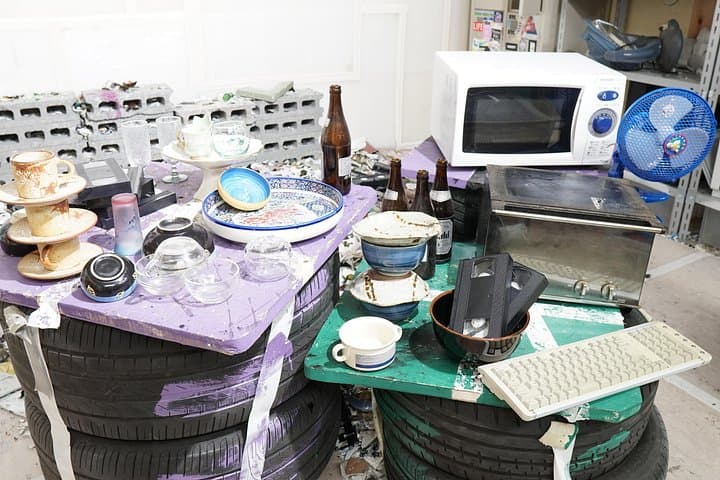
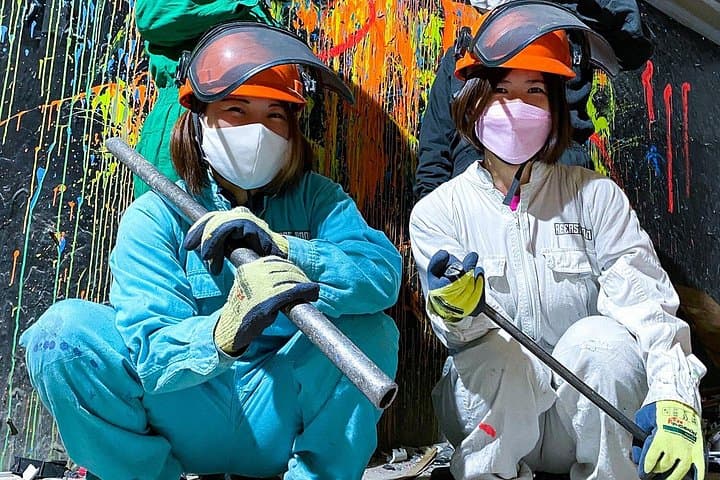
The door hisses behind you and the room changes—neon artwork to one side, stacked shelves of breakables to the other. A plastic bat feels heavy in your hand; the first swing cracks the silence and the shards scatter like rapid applause. In a half-hour session at Reeast Room you trade commuter pressure for a small, deliberate chaos.
The door hisses behind you and the room changes—neon artwork to one side, stacked shelves of breakables to the other. A plastic bat feels heavy in your hand; the first swing cracks the silence and the shards scatter like rapid applause. In a half-hour session at Reeast Room you trade commuter pressure for a small, deliberate chaos.
This form of cathartic entertainment sits at the modern edge of Tokyo’s play economy: commercialized stress-relief venues that emerged in the last decade alongside themed cafés and urban experiences. Ikebukuro and Shinjuku offer late-night, compact energy; Asakusa keeps one foot in old Edo with its temples and craft shops. The spaces reuse materials where they can and layer pop art backdrops over safety-padded floors—an industrial theater for one.
Practicalities are straightforward. Sessions run about 30 minutes; one ticket admits a single participant. The venue supplies gloves, a jumpsuit, helmet and eyewear; some activities let you toss axes or fling paint. It’s advised to arrive 10–15 minutes early for briefings and to declare any health limits—this activity is not recommended for pregnant guests or those with spinal or heart conditions.
Dress in sturdy, closed-toe shoes and clothes you won’t mind staining. Bring a phone in a secure pocket for after-action photos; during play, pockets are best left empty. Hydrate before you enter and save loud celebrations for the café area afterward. Whether you’re chasing release or novelty, these smash rooms are quick, contained, and unmistakably Tokyo: urban, efficient, and a little bit loud.