THE ADVENTURE COLLECTIVE® · Independent discovery and booking for outdoor travel

Step into an underground Namba rage room where you can smash appliances and fragile items in a controlled 20‑minute session. Safety gear is provided and public transit access makes this an easy, cathartic stop in Osaka’s entertainment district.
Step into an underground Namba rage room where you can smash appliances and fragile items in a controlled 20‑minute session. Safety gear is provided and public transit access makes this an easy, cathartic stop in Osaka’s entertainment district.
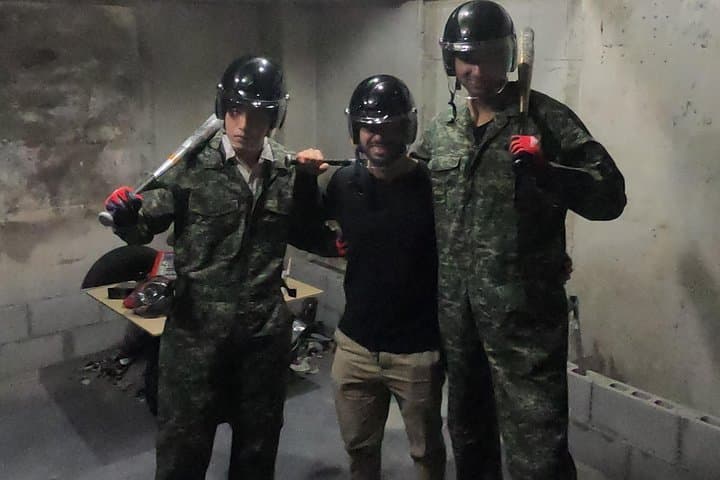
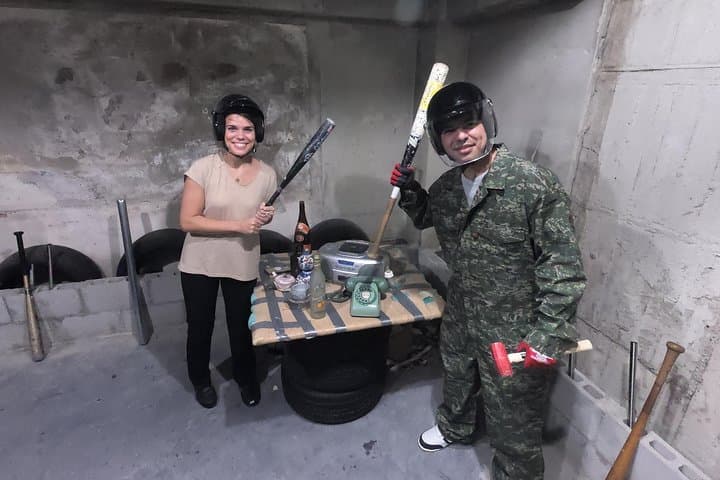
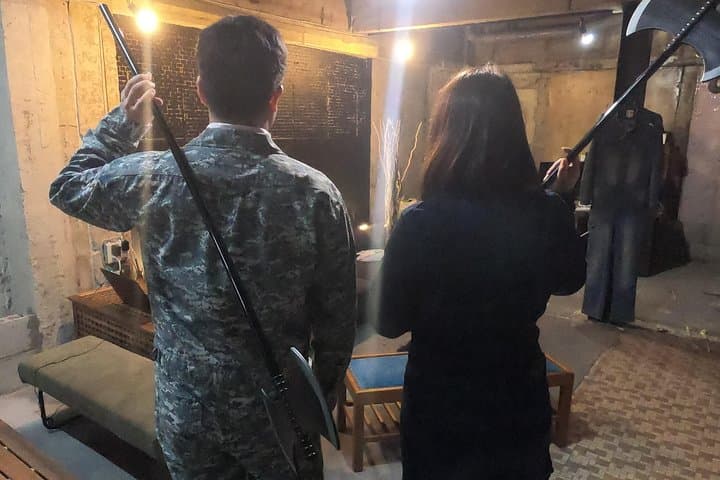
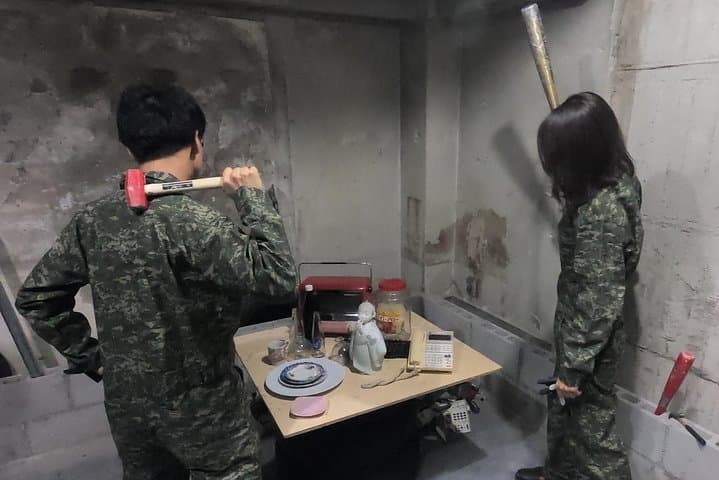
Beneath the neon hum of Namba, inside a purpose-built underground space, the ordinary rules of city life pause. Visitors step into a high-ceilinged room where microwaves, plates and small appliances wait like quiet opponents. The first swing is startling: glass surrenders, metal bends, the clutter of domestic life gives way under controlled force.
Verified experiences and guided adventures in the surrounding area.
Operated by U2 unusual-underground · Osaka, Osaka Prefecture
Beneath the neon hum of Namba, inside a purpose-built underground space, the ordinary rules of city life pause. Visitors step into a high-ceilinged room where microwaves, plates and small appliances wait like quiet opponents. The first swing is startling: glass surrenders, metal bends, the clutter of domestic life gives way under controlled force.
Namba has long been Osaka’s playground — a transport hub turned entertainment district that grew from Edo-period commerce to a 20th‑century urban center. The room itself occupies part of that urban fabric: adaptive reuse of subterranean space common in dense Japanese cities built on the alluvial Osaka Plain. The activity taps an international trend — “rage rooms” developed as a safe outlet for stress — while operating inside Japan’s high-standard safety and service culture.
Practical guidance: sessions run about 20 minutes; the advertised 10 kg typically refers to the bundle of breakables included. Operators supply helmets, goggles, masks, gloves and protective clothing — wear old clothes and closed-toe shoes. Not recommended if pregnant or with heart or spinal conditions. Bookings require one ticket per participant and the price scales by group; cancel at least 24 hours ahead for a full refund. Public transit in Namba makes access straightforward; consider combining this with an evening in Dotonbori or a stroll through Hozenji Yokocho.
Expect a low‑fitness but high‑adrenaline experience: minimal technique needed, strong PPE and staff oversight. If you want a short, surprising urban adventure that turns household waste into kinetic release, this is a focused, safe way to do it.
easy.
20 minutes.
Suitable for most fitness levels — activity requires short bursts of effort but no sustained exertion
Yes—helmets, goggles, masks, gloves and protective clothing are provided free of charge and staff supervise all sessions.
The advertised duration is about 20 minutes; the “10 kg” refers to the approximate bundle of breakable items included in the basic package.
Not recommended for pregnant people or those with significant heart or spinal issues; operators may have age limits, so check at booking.
Cancel at least 24 hours before the scheduled time for a full refund; specific changes should be requested through the booking page or operator.
Namba evolved from a commerce and river-transit hub into Osaka’s entertainment district; underground spaces have been repurposed over decades to serve retail and leisure needs.
Operators typically separate metals and electronics for appropriate disposal; choose packages that use items destined for disposal to minimize unnecessary waste.
U2 unusual-underground operates guided outdoor trips and adventures with an emphasis on safety, stewardship, and memorable experiences.
Beneath the neon hum of Namba, inside a purpose-built underground space, the ordinary rules of city life pause. Visitors step into a high-ceilinged room where microwaves, plates and small appliances wait like quiet opponents. The first swing is startling: glass surrenders, metal bends, the clutter of domestic life gives way under controlled force.
Beneath the neon hum of Namba, inside a purpose-built underground space, the ordinary rules of city life pause. Visitors step into a high-ceilinged room where microwaves, plates and small appliances wait like quiet opponents. The first swing is startling: glass surrenders, metal bends, the clutter of domestic life gives way under controlled force.
Namba has long been Osaka’s playground — a transport hub turned entertainment district that grew from Edo-period commerce to a 20th‑century urban center. The room itself occupies part of that urban fabric: adaptive reuse of subterranean space common in dense Japanese cities built on the alluvial Osaka Plain. The activity taps an international trend — “rage rooms” developed as a safe outlet for stress — while operating inside Japan’s high-standard safety and service culture.
Practical guidance: sessions run about 20 minutes; the advertised 10 kg typically refers to the bundle of breakables included. Operators supply helmets, goggles, masks, gloves and protective clothing — wear old clothes and closed-toe shoes. Not recommended if pregnant or with heart or spinal conditions. Bookings require one ticket per participant and the price scales by group; cancel at least 24 hours ahead for a full refund. Public transit in Namba makes access straightforward; consider combining this with an evening in Dotonbori or a stroll through Hozenji Yokocho.
Expect a low‑fitness but high‑adrenaline experience: minimal technique needed, strong PPE and staff oversight. If you want a short, surprising urban adventure that turns household waste into kinetic release, this is a focused, safe way to do it.