THE ADVENTURE COLLECTIVE® · Independent discovery and booking for outdoor travel

Set off from Mala Boat Ramp on a fast, small-group vessel to watch humpback whales off West Maui. This 2–2.5 hour tour blends experienced crew narration, comfortable seating, and responsible viewing—ideal for photographers and first-time whale watchers.
Set off from Mala Boat Ramp on a fast, small-group vessel to watch humpback whales off West Maui. This 2–2.5 hour tour blends experienced crew narration, comfortable seating, and responsible viewing—ideal for photographers and first-time whale watchers.
The boat slips away from Mala Boat Ramp and the harbor's noise thins; a wide Pacific horizon opens and the ocean seems to breathe. Onboard a fast, cushioned small-group vessel, the crew points, listens, and adjusts engines—their experience turning radio chatter and distant blows into a clear plan to meet the whales.
Verified experiences and guided adventures in the surrounding area.
Operated by Makai Adventures · Lahaina, Hawaii
The boat slips away from Mala Boat Ramp and the harbor's noise thins; a wide Pacific horizon opens and the ocean seems to breathe. Onboard a fast, cushioned small-group vessel, the crew points, listens, and adjusts engines—their experience turning radio chatter and distant blows into a clear plan to meet the whales.
Lahaina's shoreline carries layers of history: a 19th-century whaling port that taught Hawai‘i how to read the sea, volcanic slopes that funnel nutrients to deep waters, and native Hawaiian fishing traditions that shaped local coastal knowledge. Geology here matters—the steep undersea slopes of West Maui channel cold currents that attract krill and, in winter months, migrating humpbacks.
Culture is immediate: crew members use both scientific terms and island stories to explain whale behavior and local marine etiquette. Expect moments of silence as a breach slices the air, followed by practical commentary about distance rules and why the captain keeps a respectful buffer.
Practically, tours run about 135 minutes from check-in at Mala Boat Ramp. The cruise is barefoot-friendly—easy-to-remove shoes like flip-flops work best—and the vessel offers shaded seating, a head, and ample photo angles. The season for humpbacks is strongest December through April; operators follow NOAA and local approach regulations and sometimes guarantee sightings depending on conditions.
Bring sun protection, a charged camera with spare space, and motion-sickness remedies if you’re sensitive. Arrive at least 15–30 minutes early to park and board. The trip balances raw wildlife encounters with a practical, safety-first approach—it's equal parts thrill and responsible observation.
moderate.
2–2.5 hours.
Basic mobility is required for boarding and standing during sightings; should be comfortable walking on a moving deck.
The prime season in Maui runs December through April, with peak sightings often between January and March when mothers and calves are common.
Wear quick-dry, sun-protective clothing and bring a hat; the operator notes this is a barefoot cruise—easy-to-remove shoes like flip-flops are recommended.
Operators may advertise a sightings guarantee depending on the tour terms and conditions, but wildlife viewing depends on animal movements and weather; check the tour's guarantee policy before booking.
Yes—small-group tours typically welcome all ages, but parents should supervise children on deck and consider motion-sickness precautions.
Lahaina was a major 19th-century whaling port and later served as the capital of the Hawaiian Kingdom—its maritime history informs modern whale-watch practices here.
Operators follow NOAA approach rules and local guidelines to minimize disturbance; choosing small-group tours and reef-safe products helps reduce local impact.
Makai Adventures operates guided outdoor trips and adventures with an emphasis on safety, stewardship, and memorable experiences.
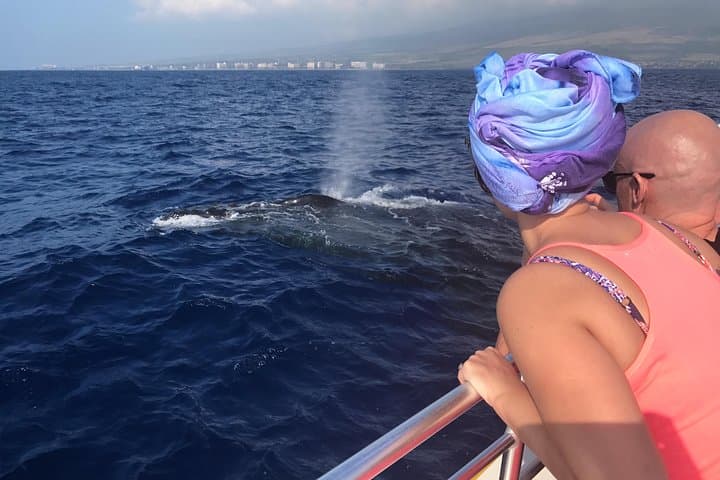
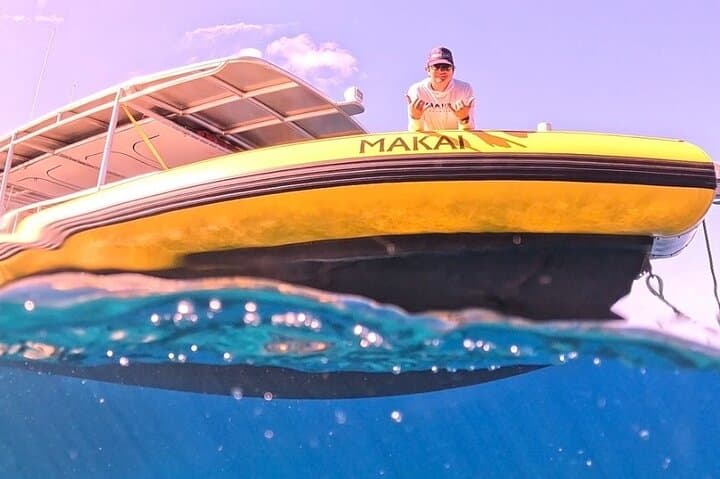
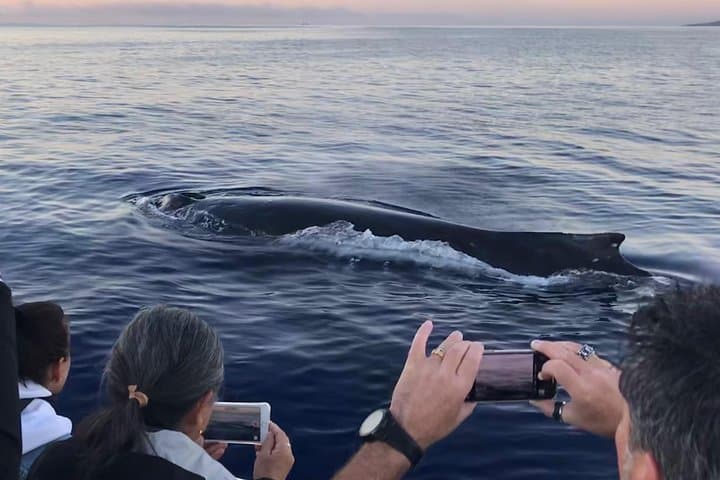
The boat slips away from Mala Boat Ramp and the harbor's noise thins; a wide Pacific horizon opens and the ocean seems to breathe. Onboard a fast, cushioned small-group vessel, the crew points, listens, and adjusts engines—their experience turning radio chatter and distant blows into a clear plan to meet the whales.
The boat slips away from Mala Boat Ramp and the harbor's noise thins; a wide Pacific horizon opens and the ocean seems to breathe. Onboard a fast, cushioned small-group vessel, the crew points, listens, and adjusts engines—their experience turning radio chatter and distant blows into a clear plan to meet the whales.
Lahaina's shoreline carries layers of history: a 19th-century whaling port that taught Hawai‘i how to read the sea, volcanic slopes that funnel nutrients to deep waters, and native Hawaiian fishing traditions that shaped local coastal knowledge. Geology here matters—the steep undersea slopes of West Maui channel cold currents that attract krill and, in winter months, migrating humpbacks.
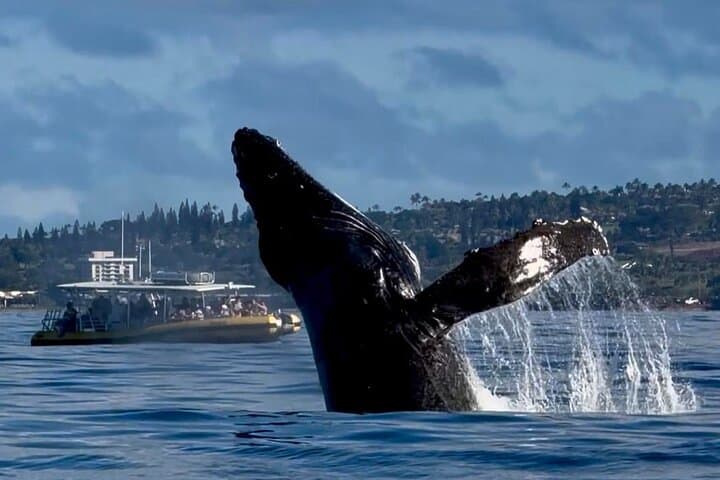
Culture is immediate: crew members use both scientific terms and island stories to explain whale behavior and local marine etiquette. Expect moments of silence as a breach slices the air, followed by practical commentary about distance rules and why the captain keeps a respectful buffer.
Practically, tours run about 135 minutes from check-in at Mala Boat Ramp. The cruise is barefoot-friendly—easy-to-remove shoes like flip-flops work best—and the vessel offers shaded seating, a head, and ample photo angles. The season for humpbacks is strongest December through April; operators follow NOAA and local approach regulations and sometimes guarantee sightings depending on conditions.
Bring sun protection, a charged camera with spare space, and motion-sickness remedies if you’re sensitive. Arrive at least 15–30 minutes early to park and board. The trip balances raw wildlife encounters with a practical, safety-first approach—it's equal parts thrill and responsible observation.