THE ADVENTURE COLLECTIVE® · Independent discovery and booking for outdoor travel

Launch from Punaauia for a three-hour small-group snorkel that targets turtle-filled coral gardens, eagle rays, and dramatic wreck sites near Papeete. Expect a guided briefing, quality gear, and calm early-morning waters when wildlife is most active.
Launch from Punaauia for a three-hour small-group snorkel that targets turtle-filled coral gardens, eagle rays, and dramatic wreck sites near Papeete. Expect a guided briefing, quality gear, and calm early-morning waters when wildlife is most active.
Dawn slips over Punaauia and the boat eases away from shore, the hull cutting a pale ribbon through lagoon glass. Passengers exchange quiet smiles as the captain steers toward shallow reefs where freshwater springs meet the sea—places where coral gardens bloom in bright, concentrated life. Dolphins may ride the bow wake early; later, turtles and eagle rays often drift through the blue like slow, deliberate thoughts.
Verified experiences and guided adventures in the surrounding area.
Operated by Polyn'Easy Dive and Tours · Punaauia, Tahiti
Dawn slips over Punaauia and the boat eases away from shore, the hull cutting a pale ribbon through lagoon glass. Passengers exchange quiet smiles as the captain steers toward shallow reefs where freshwater springs meet the sea—places where coral gardens bloom in bright, concentrated life. Dolphins may ride the bow wake early; later, turtles and eagle rays often drift through the blue like slow, deliberate thoughts.
Tahiti’s shoreline is a product of recent volcanism and relentless ocean shaping: basalt outcrops tumble into sandy flats, and reef ridges form sheltered pockets that have supported Polynesian fishing and navigation for centuries. Local guides read tides and currents the way chartmakers once read stars, combining traditional knowledge with modern safety practices to find turtle lairs, ray cleaning stations and the submerged wrecks that now host fish and coral.
Practical guidance starts with timing: trips run about three hours and typically launch near Papeete/Punaauia marinas; early departures offer calmer water and better light. Expect small groups (under 8), a guided briefing, and provided snorkel gear. Conditions dictate where the boat stops—freshwater resurgences, basalt studs, and shallow wrecks are all possibilities. Stay alert to the guide’s instructions about approach angles and entry points; currents can be playful and will test inexperienced swimmers.
Bring reef-safe sunscreen, a snug mask, and a shorty or rash guard for sun and chafe protection. Give wildlife space, avoid touching coral or wrecks, and follow briefing cues for re-entry. With attentive guides, this compact outing is ideal for beginners and experienced snorkelers who want focused wildlife encounters away from the busiest lagoons.
easy.
3 hours.
Light fitness required—comfortable treading and brief swims; basic snorkeling ability recommended
No; the tour is suitable for beginners but participants should be comfortable in open water and able to float or swim short distances.
Common sightings include green sea turtles, eagle rays, tropical reef fish, and occasionally long-billed dolphins nearshore.
Yes—quality snorkeling equipment is provided, but guests may bring their own masks for a personalized fit.
Operators may cancel for bad weather with a full refund if the tour is called off; check the specific booking terms for cut-off times.
Tahiti’s reefs have supported Polynesian navigation and coastal life for centuries; volcanic basalt and lagoon chemistry shape the nearshore habitats snorkelers explore today.
Operators emphasize no-touch policies, reef-safe sunscreen, and staying buoyant to avoid coral damage; choose guides who brief guests on low-impact behavior.
Polyn'Easy Dive and Tours operates guided outdoor trips and adventures with an emphasis on safety, stewardship, and memorable experiences.
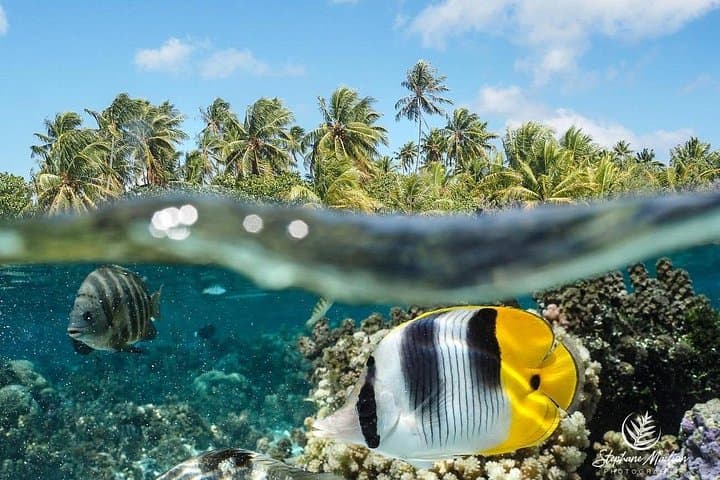
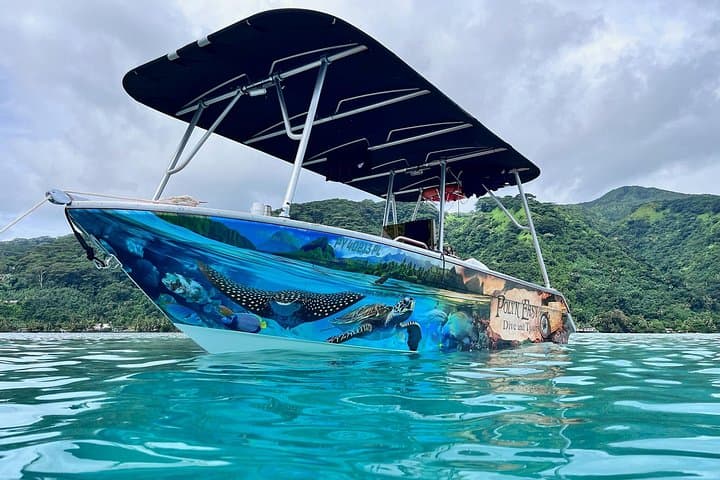
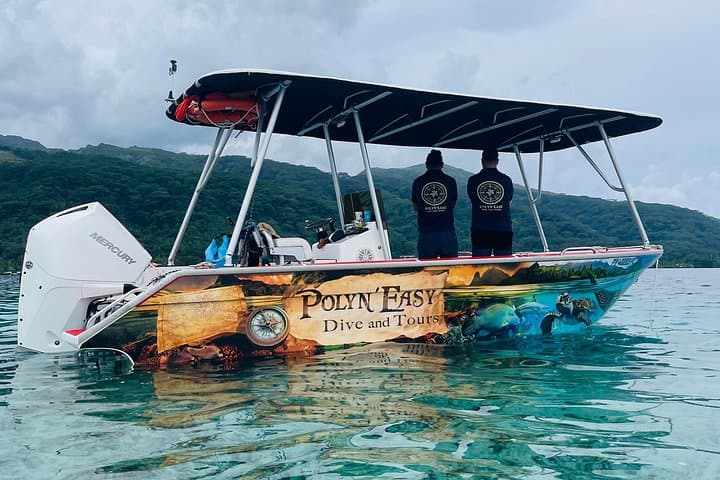
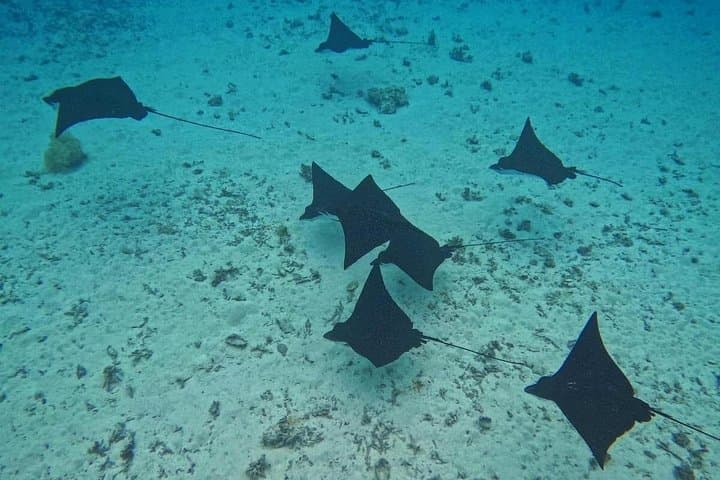
Dawn slips over Punaauia and the boat eases away from shore, the hull cutting a pale ribbon through lagoon glass. Passengers exchange quiet smiles as the captain steers toward shallow reefs where freshwater springs meet the sea—places where coral gardens bloom in bright, concentrated life. Dolphins may ride the bow wake early; later, turtles and eagle rays often drift through the blue like slow, deliberate thoughts.
Dawn slips over Punaauia and the boat eases away from shore, the hull cutting a pale ribbon through lagoon glass. Passengers exchange quiet smiles as the captain steers toward shallow reefs where freshwater springs meet the sea—places where coral gardens bloom in bright, concentrated life. Dolphins may ride the bow wake early; later, turtles and eagle rays often drift through the blue like slow, deliberate thoughts.
Tahiti’s shoreline is a product of recent volcanism and relentless ocean shaping: basalt outcrops tumble into sandy flats, and reef ridges form sheltered pockets that have supported Polynesian fishing and navigation for centuries. Local guides read tides and currents the way chartmakers once read stars, combining traditional knowledge with modern safety practices to find turtle lairs, ray cleaning stations and the submerged wrecks that now host fish and coral.
Practical guidance starts with timing: trips run about three hours and typically launch near Papeete/Punaauia marinas; early departures offer calmer water and better light. Expect small groups (under 8), a guided briefing, and provided snorkel gear. Conditions dictate where the boat stops—freshwater resurgences, basalt studs, and shallow wrecks are all possibilities. Stay alert to the guide’s instructions about approach angles and entry points; currents can be playful and will test inexperienced swimmers.
Bring reef-safe sunscreen, a snug mask, and a shorty or rash guard for sun and chafe protection. Give wildlife space, avoid touching coral or wrecks, and follow briefing cues for re-entry. With attentive guides, this compact outing is ideal for beginners and experienced snorkelers who want focused wildlife encounters away from the busiest lagoons.