THE ADVENTURE COLLECTIVE® · Independent discovery and booking for outdoor travel

Float over shallow coral gardens and meet colorful reef life on a guided small-group snorkeling trip in Hikkaduwa. Perfect for first-timers, the tour supplies equipment, instruction, and short swims through sheltered reef patches.
Float over shallow coral gardens and meet colorful reef life on a guided small-group snorkeling trip in Hikkaduwa. Perfect for first-timers, the tour supplies equipment, instruction, and short swims through sheltered reef patches.
Morning light slices across Hikkaduwa Bay and the water goes from pewter to turquoise as you step off the short boat into chest-deep surf. The sea here is deceptively calm — a mosaic of sand flats, broken coral heads and bands of shallow reef that reward even first-time snorkelers with close encounters: parrotfish nudge at algae, and small rays drift like gray leaves.
Verified experiences and guided adventures in the surrounding area.
Operated by ZRI Adventures · Hikkaduwa, Southern Province
Morning light slices across Hikkaduwa Bay and the water goes from pewter to turquoise as you step off the short boat into chest-deep surf. The sea here is deceptively calm — a mosaic of sand flats, broken coral heads and bands of shallow reef that reward even first-time snorkelers with close encounters: parrotfish nudge at algae, and small rays drift like gray leaves.
Hikkaduwa began as a modest fishing village on Sri Lanka’s southern coast; in recent decades its reefs and surf drew travelers, and the community now balances tourism with long-running conservation efforts. Geologically the coast is flat limestone and coral growth, with reef terraces formed by centuries of reef accretion and recent storm reshaping. Local culture is a mix of Tamil and Sinhala coastal traditions — seafood vendors, beachside cafés, and boatmen who know the reef channels by sight.
Practical guide: tours run about 80 minutes, include gear and a briefing, and are suitable for swimmers of basic ability. Expect shallow reefs (1–3 m) and short surface swims between patches; the guide points out fragile corals and marine life while steering the group away from sensitive areas.
Plan for sun and salt: reef-safe sunscreen, a snug mask, and a lightweight shirt for UV protection. Mornings typically offer the clearest water; avoid rough-weather days during the monsoon. Respect the reef: don’t touch corals, and buoyancy-control keeps you off the bottom. This is an approachable, fast-paced window into Sri Lanka’s underwater life — vivid, compact, and entirely reachable from the shore.
easy.
1–1.5 hours.
Suitable for most people who can swim short distances and tread water; basic comfort in open water required.
Yes — the small-group format includes a safety briefing and on-water guidance; basic swimming ability and comfort with a snorkel are advised.
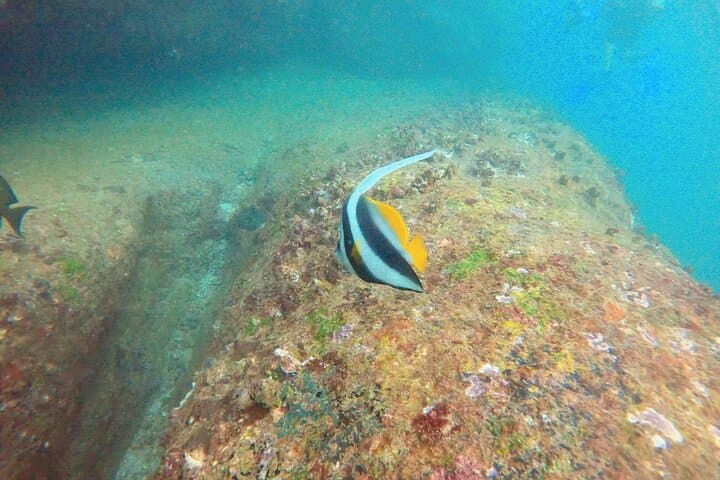
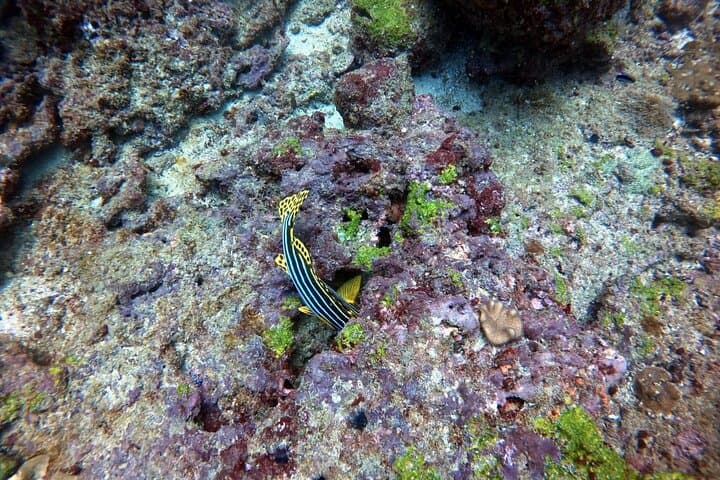
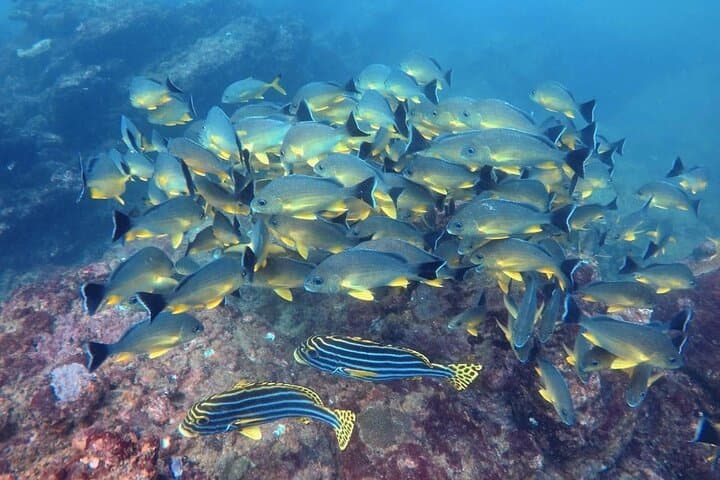
Shallow reef patches commonly host parrotfish, damselfish, wrasse, and occasionally sea turtles and rays in the area.
Equipment is provided, but many guests bring a personal mask for fit; reef-safe sunscreen and a rashguard are recommended.
Mornings between November and April typically offer calmer seas and better visibility; avoid days with high winds or heavy rain.
Hikkaduwa evolved from a traditional fishing community into a tourist hub; its reefs, long used by locals, gained protection after tourism growth and post-tsunami rebuilding.
Local groups run coral restoration and reef monitoring; visitors are encouraged to use reef-safe sunscreen, avoid touching corals, and support community-based operators.
ZRI Adventures operates guided outdoor trips and adventures with an emphasis on safety, stewardship, and memorable experiences.
Morning light slices across Hikkaduwa Bay and the water goes from pewter to turquoise as you step off the short boat into chest-deep surf. The sea here is deceptively calm — a mosaic of sand flats, broken coral heads and bands of shallow reef that reward even first-time snorkelers with close encounters: parrotfish nudge at algae, and small rays drift like gray leaves.
Morning light slices across Hikkaduwa Bay and the water goes from pewter to turquoise as you step off the short boat into chest-deep surf. The sea here is deceptively calm — a mosaic of sand flats, broken coral heads and bands of shallow reef that reward even first-time snorkelers with close encounters: parrotfish nudge at algae, and small rays drift like gray leaves.
Hikkaduwa began as a modest fishing village on Sri Lanka’s southern coast; in recent decades its reefs and surf drew travelers, and the community now balances tourism with long-running conservation efforts. Geologically the coast is flat limestone and coral growth, with reef terraces formed by centuries of reef accretion and recent storm reshaping. Local culture is a mix of Tamil and Sinhala coastal traditions — seafood vendors, beachside cafés, and boatmen who know the reef channels by sight.
Practical guide: tours run about 80 minutes, include gear and a briefing, and are suitable for swimmers of basic ability. Expect shallow reefs (1–3 m) and short surface swims between patches; the guide points out fragile corals and marine life while steering the group away from sensitive areas.
Plan for sun and salt: reef-safe sunscreen, a snug mask, and a lightweight shirt for UV protection. Mornings typically offer the clearest water; avoid rough-weather days during the monsoon. Respect the reef: don’t touch corals, and buoyancy-control keeps you off the bottom. This is an approachable, fast-paced window into Sri Lanka’s underwater life — vivid, compact, and entirely reachable from the shore.