THE ADVENTURE COLLECTIVE® · Independent discovery and booking for outdoor travel

An eight-hour small-group tour that threads Alfama’s alleys, Baixa’s rebuilt avenues, Belém’s Age of Discoveries monuments, and Parque das Nações’ modern waterfront. Ideal for first-time visitors who want history, viewpoints, and city context in a single day.
An eight-hour small-group tour that threads Alfama’s alleys, Baixa’s rebuilt avenues, Belém’s Age of Discoveries monuments, and Parque das Nações’ modern waterfront. Ideal for first-time visitors who want history, viewpoints, and city context in a single day.
You step off the air-conditioned minivan and feel the Tagus breeze push at your jacket like an impatient guide. The river runs broad and silver, daring you to follow the arc of Lisbon’s history from medieval alleys to 20th-century waterfront renewal.
Verified experiences and guided adventures in the surrounding area.
Operated by walkborder · Lisbon, Lisbon
You step off the air-conditioned minivan and feel the Tagus breeze push at your jacket like an impatient guide. The river runs broad and silver, daring you to follow the arc of Lisbon’s history from medieval alleys to 20th-century waterfront renewal.
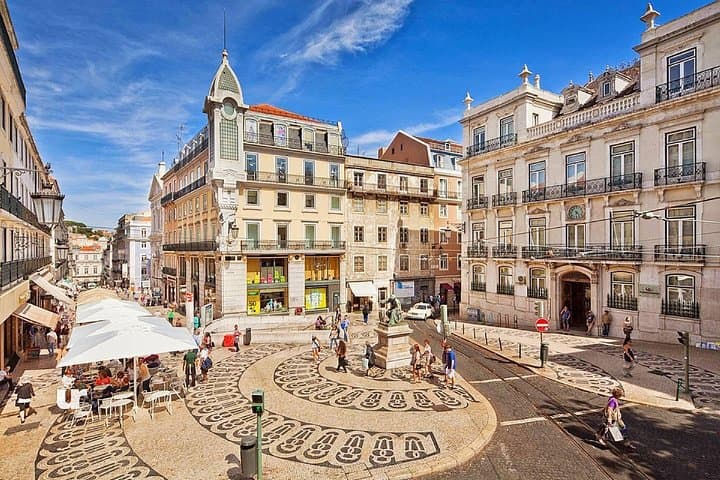
The day moves as a compact narrative: Alfama’s narrow lanes and tiled façades recall the city’s Moorish past and the melancholic strains of fado; Baixa’s grid and Pombaline architecture show the aftershock of the 1755 earthquake and the pragmatic rebuild under the Marquis de Pombal; Belém opens onto the Atlantic, where 15th-century caravels launched the Age of Discoveries and the Jerónimos Monastery keeps that maritime memory in stone.
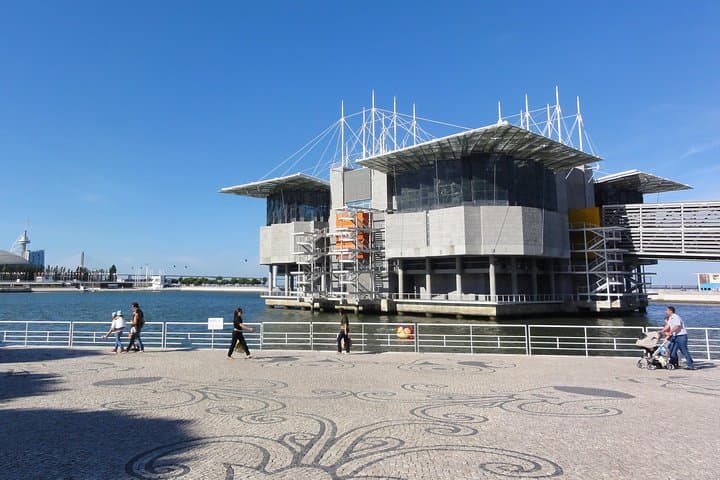
Parque das Nações offers a modern contrast — Expo 98 structures, the Oceanarium, and riverside promenades — evidence of Lisbon’s continuous reinvention along the Tagus estuary. Parque Eduardo VII grants a top-down view of the city’s seven hills and its river mouth, a useful compass for orientation and photography.
Practically: this eight-hour, small-group private tour blends short walking segments with comfortable vehicle transfers, suitable for most fitness levels and families (stroller- and infant-seat friendly). Expect repeated short climbs and cobbled streets in historic quarters; wear sturdy shoes and layer for breezy river conditions. Bring cash or card for pastéis de Belém and optional museum entries, and book timed tickets in advance if you plan to enter Jerónimos Monastery.
Start early to avoid crowds in Belém, keep a reusable water bottle, and leave space in your schedule for a slow coffee break — Lisbon’s best discoveries often arrive between one tile and the next.
easy.
8 hours.
Suitable for most people with basic mobility; expect repeated short uphill walks and stairs in historic districts
Pick-up and drop-off locations are arranged at booking; many tours start centrally in Lisbon and return to guest accommodations or a prearranged point.
Yes — the itinerary notes stroller accessibility and infant seats are available, though some historic streets have uneven cobbles.
Most major monuments (e.g., Jerónimos Monastery) may require separate tickets; the tour includes timed visits where specified but confirm inclusions when booking.
Full refunds are available if you cancel at least 24 hours before the scheduled departure time; check the booking confirmation for exact terms.
Lisbon’s present layout reflects the 1755 earthquake and the Pombaline reconstruction, while Belém preserves 15th–16th century monuments tied to Portugal’s Age of Discoveries.
High visitor numbers at Belém and popular viewpoints put pressure on fragile sites — favor licensed guides, stick to marked paths, and support local businesses to reduce impacts.
walkborder operates guided outdoor trips and adventures with an emphasis on safety, stewardship, and memorable experiences.

You step off the air-conditioned minivan and feel the Tagus breeze push at your jacket like an impatient guide. The river runs broad and silver, daring you to follow the arc of Lisbon’s history from medieval alleys to 20th-century waterfront renewal.
You step off the air-conditioned minivan and feel the Tagus breeze push at your jacket like an impatient guide. The river runs broad and silver, daring you to follow the arc of Lisbon’s history from medieval alleys to 20th-century waterfront renewal.
The day moves as a compact narrative: Alfama’s narrow lanes and tiled façades recall the city’s Moorish past and the melancholic strains of fado; Baixa’s grid and Pombaline architecture show the aftershock of the 1755 earthquake and the pragmatic rebuild under the Marquis de Pombal; Belém opens onto the Atlantic, where 15th-century caravels launched the Age of Discoveries and the Jerónimos Monastery keeps that maritime memory in stone.
Parque das Nações offers a modern contrast — Expo 98 structures, the Oceanarium, and riverside promenades — evidence of Lisbon’s continuous reinvention along the Tagus estuary. Parque Eduardo VII grants a top-down view of the city’s seven hills and its river mouth, a useful compass for orientation and photography.
Practically: this eight-hour, small-group private tour blends short walking segments with comfortable vehicle transfers, suitable for most fitness levels and families (stroller- and infant-seat friendly). Expect repeated short climbs and cobbled streets in historic quarters; wear sturdy shoes and layer for breezy river conditions. Bring cash or card for pastéis de Belém and optional museum entries, and book timed tickets in advance if you plan to enter Jerónimos Monastery.
Start early to avoid crowds in Belém, keep a reusable water bottle, and leave space in your schedule for a slow coffee break — Lisbon’s best discoveries often arrive between one tile and the next.