THE ADVENTURE COLLECTIVE® · Independent discovery and booking for outdoor travel

Travel the Great River Road from New Orleans to visit Whitney and Laura Plantations. This small-group tour combines candid history, riverine landscapes, and guided interpretation for a six-hour exploration of plantation life and memory.
Travel the Great River Road from New Orleans to visit Whitney and Laura Plantations. This small-group tour combines candid history, riverine landscapes, and guided interpretation for a six-hour exploration of plantation life and memory.
You leave the bustle of the French Quarter behind and the Mississippi River pulls you into a different rhythm — a long, low horizon of sugarcane and oak alleys stretched along the Great River Road. Your guide drives a compact-group van; conversation shifts between cinematic film locations and the hard facts recorded in fieldstone and ledger.
Verified experiences and guided adventures in the surrounding area.
Operated by Tours by Isabelle · Vacherie, Louisiana
You leave the bustle of the French Quarter behind and the Mississippi River pulls you into a different rhythm — a long, low horizon of sugarcane and oak alleys stretched along the Great River Road. Your guide drives a compact-group van; conversation shifts between cinematic film locations and the hard facts recorded in fieldstone and ledger.
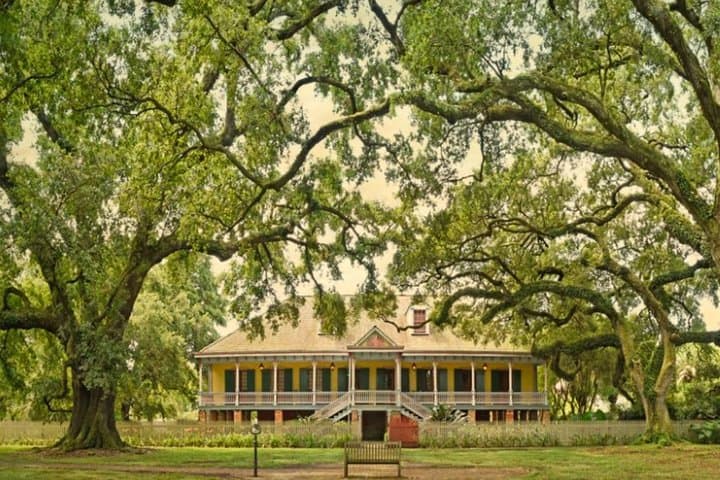
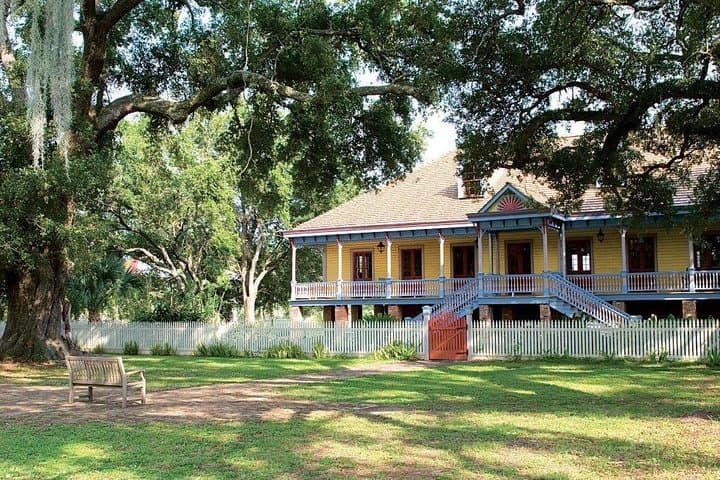
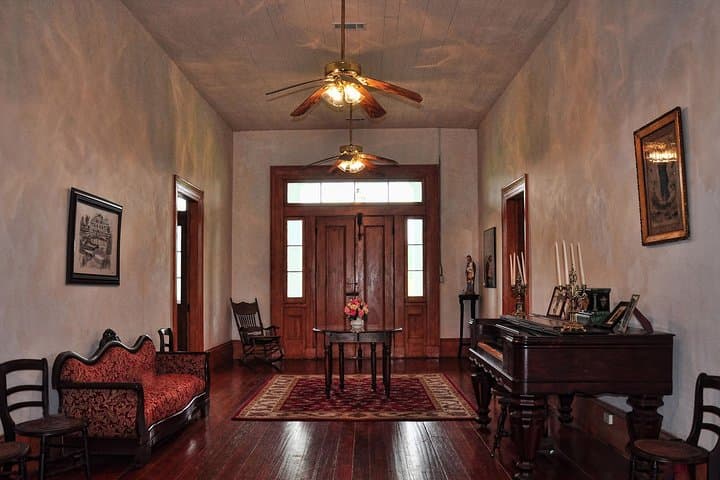
The route traces the same levees that shaped Louisiana’s antebellum economy. Whitney Plantation has been developed as a memorial to the enslaved: detached kitchens, slave cabins and a freedmen’s church lay out lives usually omitted from manicured mansion tours. Laura Plantation, a Creole estate of vivid architecture and surviving quarters, offers layered family narratives that intersect with labor history and Creole culture.
Geologically the area is riverine — alluvial plains fed by seasonal floods that made sugarcane profitable and vulnerable, and that still push the river’s edge inward. Culturally, River Road is a corridor of Creole French names, Catholic churches, and agricultural labor traditions that continue to shape community identity.
Practicalities: the tour is about six hours with hotel pickup in New Orleans; Whitney uses a cell-phone audio app (bring headphones). Wear closed-toe shoes for gravel paths, sun protection for exposed esplanades, and bring a refillable water bottle — temperatures and humidity can spike in summer. Respect posted signs and memorial spaces: photography is allowed in many areas but use discretion around exhibits and burial markers.
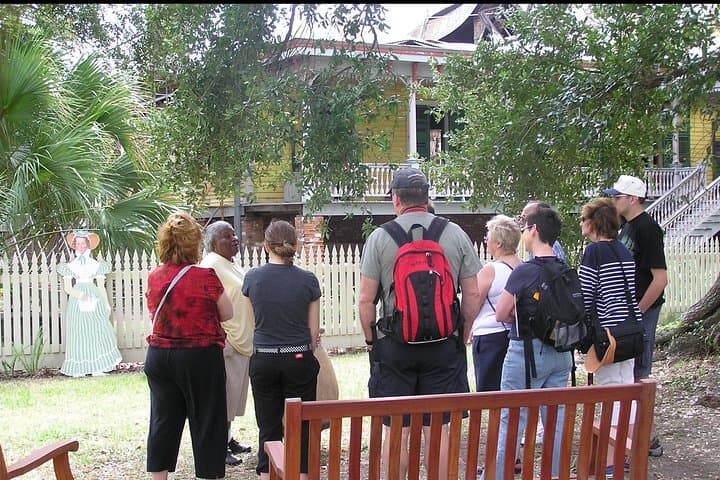
This small-group format keeps numbers low so guides can provide historical context and fieldside explanations; it’s an efficient way to confront difficult history while seeing the River Road landscape firsthand.
easy.
6 hours.
Suitable for all fitness levels; mostly short walks on even but sometimes gravelly ground
The full experience runs about six hours including hotel pickup and drop-off in New Orleans.
No — the supplier states the tour cannot accommodate wheelchairs of any kind due to uneven grounds and vehicle constraints.
Yes — child rates apply and infants are permitted; if you bring an infant and your own car seat, notify the operator to avoid unused seats on the van.
You’ll pass several famous plantations and stop for photos at certain alleys; some film locations are driven by rather than entered, depending on the itinerary.
River Road plantations were built on alluvial soils deposited by the Mississippi; the plantation system grew with sugarcane and enslaved labor, leaving layered cultural and architectural legacies.
Many sites now function as museums and memorials with preservation programs; visitors are encouraged to stay on paths and follow site rules to protect fragile structures and burial grounds.
Tours by Isabelle operates guided outdoor trips and adventures with an emphasis on safety, stewardship, and memorable experiences.
You leave the bustle of the French Quarter behind and the Mississippi River pulls you into a different rhythm — a long, low horizon of sugarcane and oak alleys stretched along the Great River Road. Your guide drives a compact-group van; conversation shifts between cinematic film locations and the hard facts recorded in fieldstone and ledger.
You leave the bustle of the French Quarter behind and the Mississippi River pulls you into a different rhythm — a long, low horizon of sugarcane and oak alleys stretched along the Great River Road. Your guide drives a compact-group van; conversation shifts between cinematic film locations and the hard facts recorded in fieldstone and ledger.
The route traces the same levees that shaped Louisiana’s antebellum economy. Whitney Plantation has been developed as a memorial to the enslaved: detached kitchens, slave cabins and a freedmen’s church lay out lives usually omitted from manicured mansion tours. Laura Plantation, a Creole estate of vivid architecture and surviving quarters, offers layered family narratives that intersect with labor history and Creole culture.
Geologically the area is riverine — alluvial plains fed by seasonal floods that made sugarcane profitable and vulnerable, and that still push the river’s edge inward. Culturally, River Road is a corridor of Creole French names, Catholic churches, and agricultural labor traditions that continue to shape community identity.
Practicalities: the tour is about six hours with hotel pickup in New Orleans; Whitney uses a cell-phone audio app (bring headphones). Wear closed-toe shoes for gravel paths, sun protection for exposed esplanades, and bring a refillable water bottle — temperatures and humidity can spike in summer. Respect posted signs and memorial spaces: photography is allowed in many areas but use discretion around exhibits and burial markers.
This small-group format keeps numbers low so guides can provide historical context and fieldside explanations; it’s an efficient way to confront difficult history while seeing the River Road landscape firsthand.