THE ADVENTURE COLLECTIVE® · Independent discovery and booking for outdoor travel

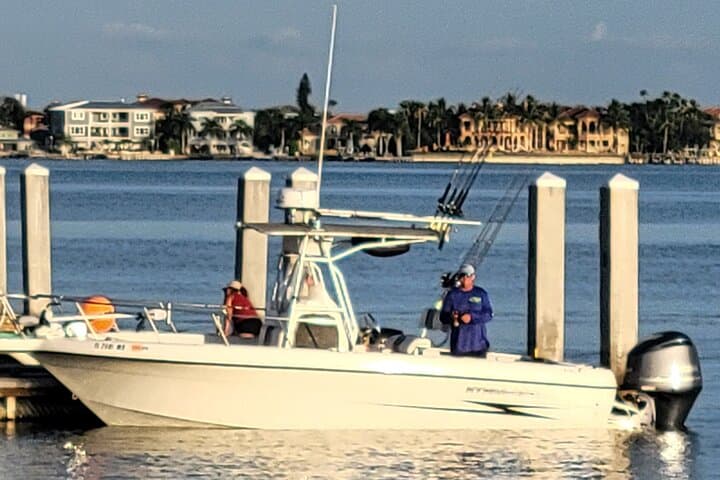
Board at the Belleair Causeway Boat Ramp for a small-group, 4-hour fishing charter that can run up to nine miles offshore. Expect live bait, local knowledge for seasonal species, and frequent wildlife sightings like dolphins and manatees.
Board at the Belleair Causeway Boat Ramp for a small-group, 4-hour fishing charter that can run up to nine miles offshore. Expect live bait, local knowledge for seasonal species, and frequent wildlife sightings like dolphins and manatees.
Morning light strips across the intracoastal as the dock hums to life and the engine answers like a low, patient promise. You push off from the Belleair Causeway Boat Ramp and the water widens; dolphins cut through the wake, and the tide seems to choose the pace. The captain runs a quick safety briefing, then points the bow toward the pass under the Sand Key approach—beyond it, the Gulf opens and the real hunt begins.
Verified experiences and guided adventures in the surrounding area.
Operated by Mow Fish Charter · Belleair Bluffs, Florida
Morning light strips across the intracoastal as the dock hums to life and the engine answers like a low, patient promise. You push off from the Belleair Causeway Boat Ramp and the water widens; dolphins cut through the wake, and the tide seems to choose the pace. The captain runs a quick safety briefing, then points the bow toward the pass under the Sand Key approach—beyond it, the Gulf opens and the real hunt begins.
This stretch of Tampa Bay and the nearshore Gulf has maritime roots: a mix of shallow flats, tidal channels and barrier island geology shaped by longshore currents and storm-surge events. Local fishing culture is pragmatic—family-run charters, bait shops that know the seasons, and anglers who read winds like weather maps. Species change with water temperature; spring and fall bring migrating schools, summer deepens the bite.
Practical guidance: trips run about four hours and can head up to nine miles offshore depending on conditions. Expect basic tackle and both live bait and artificials supplied; bring sunscreen, layered clothing, and seasickness prevention if you’re prone. Wear non-slip shoes and keep a light waterproof bag for phones. The captain will handle licensing and most gear, but your attention to line management and quick bait changes improves catch rates.
Plan for early starts to catch calmer seas, ask the crew where structure lines and pylons are holding fish, and leave room for weather-driven plan changes—the sea decides the best fishing day.
moderate.
4 hours.
Light to moderate mobility and the ability to move on a boat; not strenuous but requires balance and basic stamina for standing and reeling.
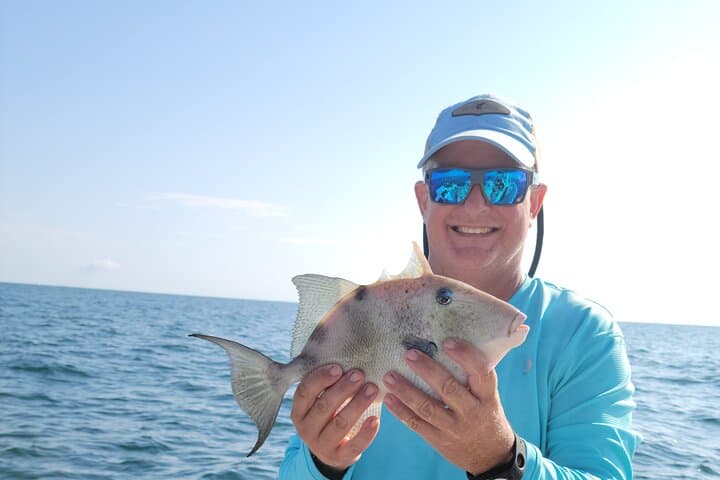
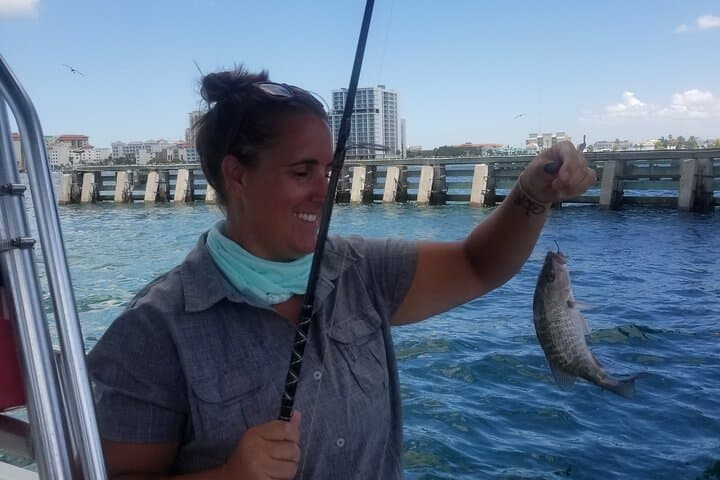
Depending on season and how far offshore you go, expect mackerel, mangrove snapper, grunts, hogfish, cobia, and occasionally sharks; the captain selects spots to match the season.
Yes—rods, reels, basic tackle, and live bait or artificials are included, as well as licensing required for the trip.
Absolutely; charters are small-group and suitable for anglers of all levels—crew will coach on baiting, casting, and landing fish.
Trips may be canceled for safety; the charter operator typically refunds or reschedules if conditions are unsafe within the cancellation window.
This coast developed around barrier islands and fishing villages; local fleets evolved from small skiffs to guided charters as tourism and sport fishing grew in the 20th century.
Practice catch-and-release for overfished species, use circle hooks when requested, and avoid single-use plastics to reduce marine debris in shallow bays.
Mow Fish Charter operates guided outdoor trips and adventures with an emphasis on safety, stewardship, and memorable experiences.
Morning light strips across the intracoastal as the dock hums to life and the engine answers like a low, patient promise. You push off from the Belleair Causeway Boat Ramp and the water widens; dolphins cut through the wake, and the tide seems to choose the pace. The captain runs a quick safety briefing, then points the bow toward the pass under the Sand Key approach—beyond it, the Gulf opens and the real hunt begins.
Morning light strips across the intracoastal as the dock hums to life and the engine answers like a low, patient promise. You push off from the Belleair Causeway Boat Ramp and the water widens; dolphins cut through the wake, and the tide seems to choose the pace. The captain runs a quick safety briefing, then points the bow toward the pass under the Sand Key approach—beyond it, the Gulf opens and the real hunt begins.
This stretch of Tampa Bay and the nearshore Gulf has maritime roots: a mix of shallow flats, tidal channels and barrier island geology shaped by longshore currents and storm-surge events. Local fishing culture is pragmatic—family-run charters, bait shops that know the seasons, and anglers who read winds like weather maps. Species change with water temperature; spring and fall bring migrating schools, summer deepens the bite.
Practical guidance: trips run about four hours and can head up to nine miles offshore depending on conditions. Expect basic tackle and both live bait and artificials supplied; bring sunscreen, layered clothing, and seasickness prevention if you’re prone. Wear non-slip shoes and keep a light waterproof bag for phones. The captain will handle licensing and most gear, but your attention to line management and quick bait changes improves catch rates.
Plan for early starts to catch calmer seas, ask the crew where structure lines and pylons are holding fish, and leave room for weather-driven plan changes—the sea decides the best fishing day.