THE ADVENTURE COLLECTIVE® · Independent discovery and booking for outdoor travel

Walk Charleston’s alleys and waterfront with a local historian in a small-group format. This two-hour tour covers colonial sites, Dock Street Theatre, Rainbow Row, and finishes at Waterfront Park for harbor views.
Walk Charleston’s alleys and waterfront with a local historian in a small-group format. This two-hour tour covers colonial sites, Dock Street Theatre, Rainbow Row, and finishes at Waterfront Park for harbor views.
Morning light sharpens the brick and ironwork as a small group steps off Meeting Street, coffee in hand, and follows a local guide into Charleston’s layered streets. The tour threads through narrow alleys and broad promenades, moving from the oldest public powder magazine to the crepe-myrtle–lined cobblestones of Chalmers Street and out toward Waterfront Park’s pineapple fountain. The harbor seems to dare you to stop and listen; gulls punctuate stories of trade, rebellion, and daily life.
Verified experiences and guided adventures in the surrounding area.
Operated by Tour Charleston With Adam · Charleston, South Carolina
Morning light sharpens the brick and ironwork as a small group steps off Meeting Street, coffee in hand, and follows a local guide into Charleston’s layered streets. The tour threads through narrow alleys and broad promenades, moving from the oldest public powder magazine to the crepe-myrtle–lined cobblestones of Chalmers Street and out toward Waterfront Park’s pineapple fountain. The harbor seems to dare you to stop and listen; gulls punctuate stories of trade, rebellion, and daily life.
Charleston’s grid dates to the late 17th century; its buildings trace waves of colonial, antebellum, and Reconstruction-era change. You’ll hear about the city’s role in the American Revolution, the economics of the port, and the human stories often omitted from postcards—ensuring history is specific, not sentimental. Geology here is subtle: low-lying coastal flats, reclaimed wharves, and brick made from local clay; the city’s elevation gain is negligible but the footing shifts between smooth sidewalks and uneven cobbles.
This two-hour walking tour is storytelling with stops at Dock Street Theatre, Rainbow Row, the Pink House exterior, and a chapel or historic interior visit. Practical info is front and center: expect 1.5–2 miles of walking on mixed pavement, exposure to sun and sudden showers, and frequent opportunities for photos and questions. Bring supportive shoes, water, and a light rain layer; start early to beat midday heat and crowded streets. For travelers seeking a compact, interpretive introduction to Charleston, this small-group format balances local expertise with time to absorb the city’s complex past.
moderate.
2 hours.
Comfortable walking ability for 1.5–2 miles on mixed pavement and occasional cobblestones; able to stand for short storytelling stops.
The tour meets at 151 Meeting Street near Horlbeck Alley, one block from the historic market, and ends at Waterfront Park by the Pineapple Fountain with harbor views.
Infants and small children in strollers are welcome, but parents should expect cobblestone sections that may be bumpy.
The guide plans one interior stop (a historic building or church); most of the tour is outdoors along streets and plazas.
Full refunds are available if you cancel at least 24 hours before the scheduled tour; check your booking confirmation for details.
Charleston was laid out in the late 1600s and grew around its deepwater port; many tour stops reference the city’s colonial, Revolutionary, and antebellum eras.
Downtown faces sea-level rise and preservation pressures; visitors can help by staying on marked paths, supporting local preservation groups, and limiting noise in residential streets.
Tour Charleston With Adam operates guided outdoor trips and adventures with an emphasis on safety, stewardship, and memorable experiences.

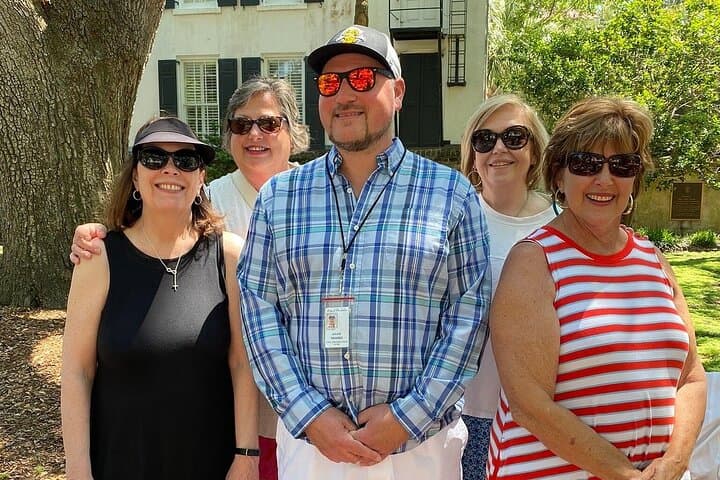
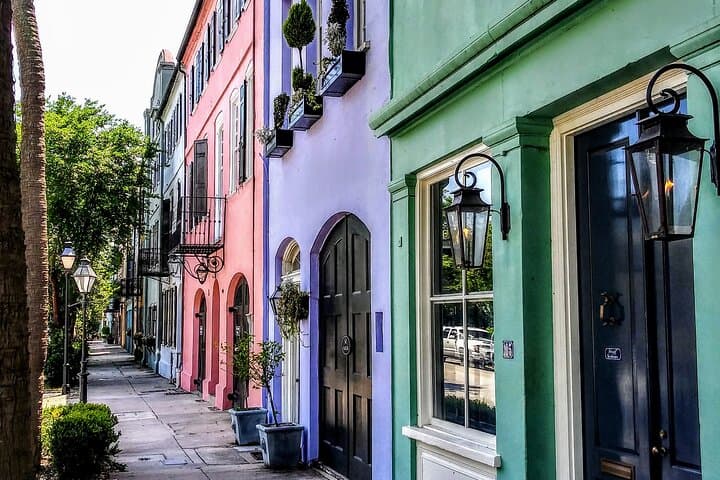
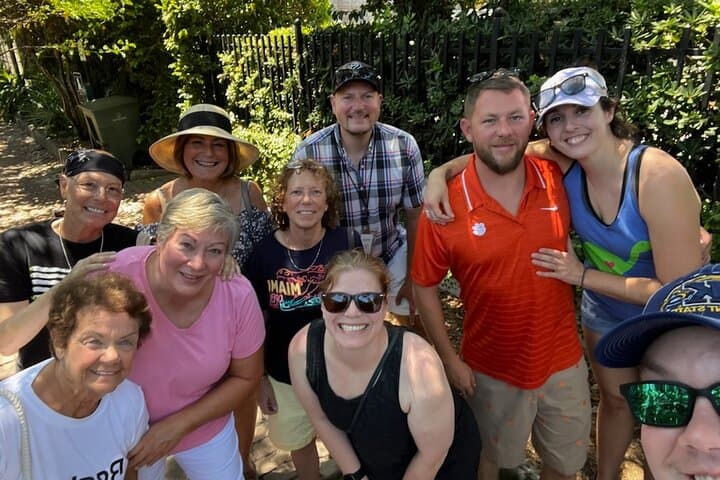
Morning light sharpens the brick and ironwork as a small group steps off Meeting Street, coffee in hand, and follows a local guide into Charleston’s layered streets. The tour threads through narrow alleys and broad promenades, moving from the oldest public powder magazine to the crepe-myrtle–lined cobblestones of Chalmers Street and out toward Waterfront Park’s pineapple fountain. The harbor seems to dare you to stop and listen; gulls punctuate stories of trade, rebellion, and daily life.
Morning light sharpens the brick and ironwork as a small group steps off Meeting Street, coffee in hand, and follows a local guide into Charleston’s layered streets. The tour threads through narrow alleys and broad promenades, moving from the oldest public powder magazine to the crepe-myrtle–lined cobblestones of Chalmers Street and out toward Waterfront Park’s pineapple fountain. The harbor seems to dare you to stop and listen; gulls punctuate stories of trade, rebellion, and daily life.
Charleston’s grid dates to the late 17th century; its buildings trace waves of colonial, antebellum, and Reconstruction-era change. You’ll hear about the city’s role in the American Revolution, the economics of the port, and the human stories often omitted from postcards—ensuring history is specific, not sentimental. Geology here is subtle: low-lying coastal flats, reclaimed wharves, and brick made from local clay; the city’s elevation gain is negligible but the footing shifts between smooth sidewalks and uneven cobbles.
This two-hour walking tour is storytelling with stops at Dock Street Theatre, Rainbow Row, the Pink House exterior, and a chapel or historic interior visit. Practical info is front and center: expect 1.5–2 miles of walking on mixed pavement, exposure to sun and sudden showers, and frequent opportunities for photos and questions. Bring supportive shoes, water, and a light rain layer; start early to beat midday heat and crowded streets. For travelers seeking a compact, interpretive introduction to Charleston, this small-group format balances local expertise with time to absorb the city’s complex past.