THE ADVENTURE COLLECTIVE® · Independent discovery and booking for outdoor travel

Set off from Cabo’s marina for a small-group, biologist-led whale watch. Expect intimate encounters, hydrophone listening, free photos, and a strong focus on non-invasive observation during peak season (Dec–Apr).
Set off from Cabo’s marina for a small-group, biologist-led whale watch. Expect intimate encounters, hydrophone listening, free photos, and a strong focus on non-invasive observation during peak season (Dec–Apr).
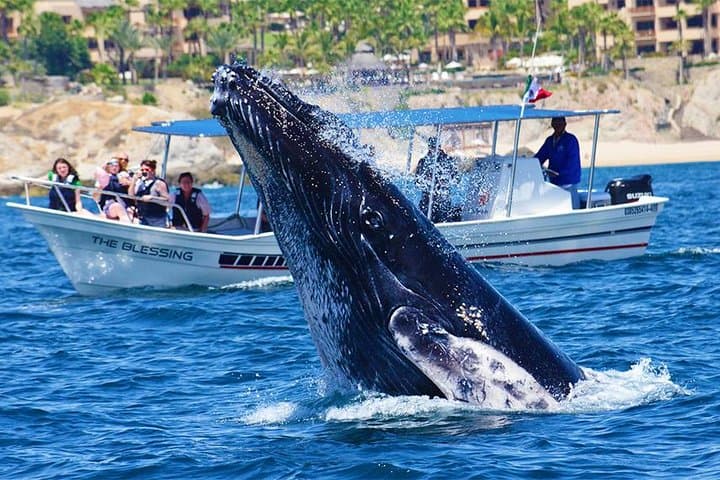
The boat slips away from the marina and the noise of Cabo San Lucas recedes into the sea. Salt stings the air, gulls harry the bow, and the captain nudges the vessel toward the wide blue where the bay opens into the Sea of Cortez and the Pacific. Onboard, a marine biologist points to a distant spout; cameras click as water lifts and falls like a breathing giant. For two and a half hours you watch, listen and learn—this is observation shaped by science, not spectacle.
Verified experiences and guided adventures in the surrounding area.
Operated by Whale Watch Cabo · Cabo San Lucas, Baja California Sur
The boat slips away from the marina and the noise of Cabo San Lucas recedes into the sea. Salt stings the air, gulls harry the bow, and the captain nudges the vessel toward the wide blue where the bay opens into the Sea of Cortez and the Pacific. Onboard, a marine biologist points to a distant spout; cameras click as water lifts and falls like a breathing giant. For two and a half hours you watch, listen and learn—this is observation shaped by science, not spectacle.
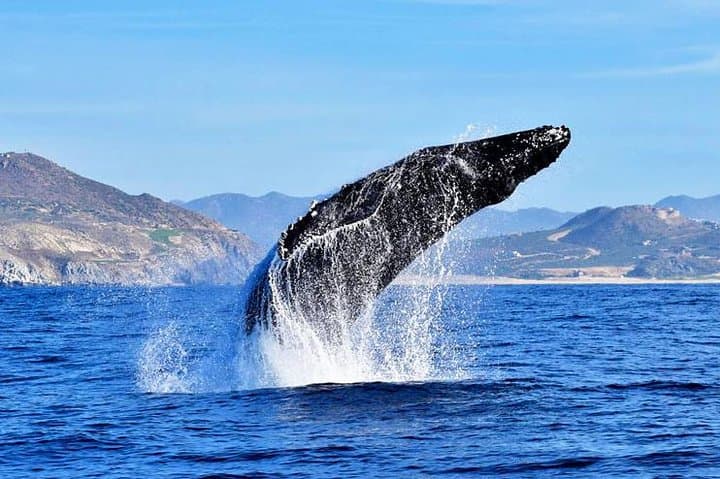
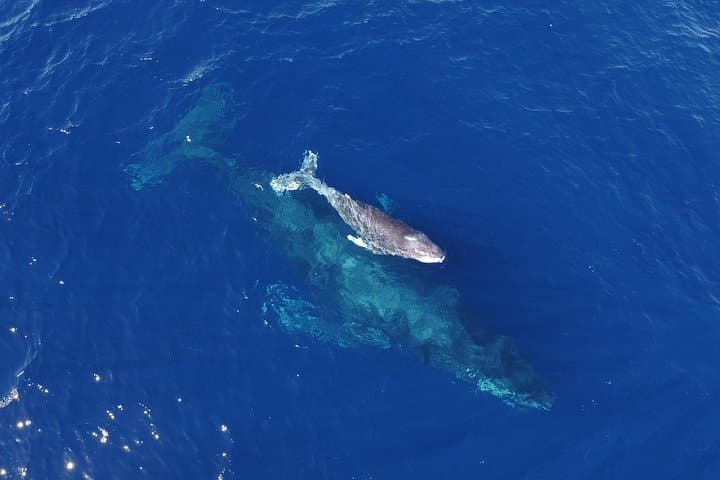
Whale watching off Cabo is a seasonal ritual. Humpback whales migrate from feeding grounds in the north to these warmer breeding and calving waters between mid-December and mid-April. The region’s geometry—where the protected Bay of Cabo gives way to deeper ocean trenches—creates predictable corridors for migrating whales and a reliable place for guides to listen for knocks and songs via hydrophone.
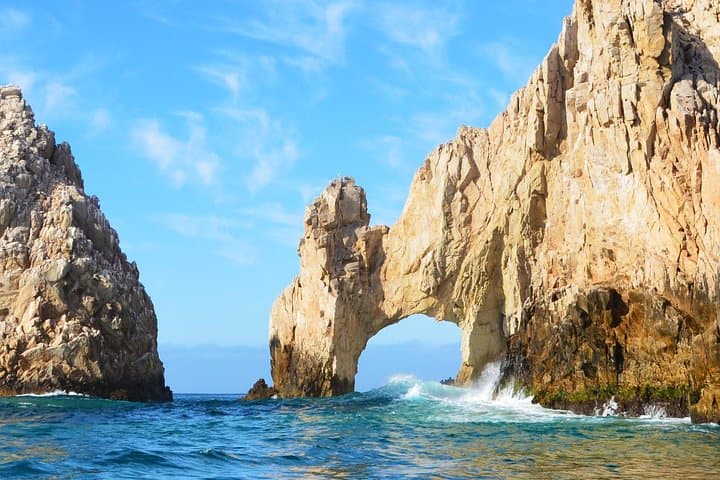
Geology matters here. The Baja Peninsula is a young landform, carved by tectonic motion that opened the Gulf of California. Underwater canyons and varying depths aggregate nutrients and draw baitfish, and where bait concentrates, predators follow. The tour also threads past local landmarks—El Arco, Pelican Rock and the beach fringe that marks Lover’s Beach—so the marine narrative is stitched to the landscape you already came to see.
Cabo’s fishing and maritime culture is practical; for generations locals have read the sea by swell and wind. Modern operators now balance that tradition with conservation. This small-group operator emphasizes non-invasive approaches—maintaining respectful distance, limiting noise, and using hydrophones to augment visual encounters rather than chase animals.
Practical takeaways: arrive 30 minutes early at the Plaza Bonita marina office to check in and stake a good spot. Bring layered clothing—the sun can be fierce at the dock and cool on the open water. A light windproof layer keeps spray off, and a small daypack holds water, sunscreen, and your free-photos acceptance by the crew.
For photographers: the best shots come early or late when the light slants off the water; mid-tour shots near the bow capture scale when a whale rolls or slaps a fin. If you’re prone to seasickness, take preventive meds an hour before boarding—this tour runs two and a half hours and includes time outside the bay.
The experience is straightforward: small groups, an expert interpreter, and a hydrophone to hear whales sing when conditions allow. It’s designed for people who prefer learning to spectacle and want an intimate window into the life of whales that pass through Cabo each winter.
easy.
2–3 hours.
Suitable for most fitness levels; ability to climb aboard a small boat and stand for stretches recommended.
The operator offers a 100% sighting guarantee during peak season (Dec 15–Apr 15); outside that window sightings are less predictable.
Yes—conditions permitting, the onboard hydrophone allows you to hear humpback songs and other vocalizations when animals are nearby.
Yes, guides take high-quality photos during the tour and provide them to guests for free after the trip.
Yes—infants and small children are allowed but must sit on an adult’s lap; the boat has onboard restrooms.
Not recommended for travelers with spinal, cardiovascular issues, or pregnant guests due to boat motion and safety protocols.
Check in at the Whale Watch Cabo office in Plaza Bonita Marina, behind the Starbucks from the road side and behind Nowhere Bar from the marina side.
Baja’s waters have long been a migratory corridor; modern whale-watching in Cabo grew as scientific interest and tourism converged in the late 20th century.
Operators follow non-invasive viewing practices and the bay includes protected areas; guests are asked not to feed or pursue wildlife and to use reef-safe products.
Whale Watch Cabo operates guided outdoor trips and adventures with an emphasis on safety, stewardship, and memorable experiences.
The boat slips away from the marina and the noise of Cabo San Lucas recedes into the sea. Salt stings the air, gulls harry the bow, and the captain nudges the vessel toward the wide blue where the bay opens into the Sea of Cortez and the Pacific. Onboard, a marine biologist points to a distant spout; cameras click as water lifts and falls like a breathing giant. For two and a half hours you watch, listen and learn—this is observation shaped by science, not spectacle.
The boat slips away from the marina and the noise of Cabo San Lucas recedes into the sea. Salt stings the air, gulls harry the bow, and the captain nudges the vessel toward the wide blue where the bay opens into the Sea of Cortez and the Pacific. Onboard, a marine biologist points to a distant spout; cameras click as water lifts and falls like a breathing giant. For two and a half hours you watch, listen and learn—this is observation shaped by science, not spectacle.
Whale watching off Cabo is a seasonal ritual. Humpback whales migrate from feeding grounds in the north to these warmer breeding and calving waters between mid-December and mid-April. The region’s geometry—where the protected Bay of Cabo gives way to deeper ocean trenches—creates predictable corridors for migrating whales and a reliable place for guides to listen for knocks and songs via hydrophone.
Geology matters here. The Baja Peninsula is a young landform, carved by tectonic motion that opened the Gulf of California. Underwater canyons and varying depths aggregate nutrients and draw baitfish, and where bait concentrates, predators follow. The tour also threads past local landmarks—El Arco, Pelican Rock and the beach fringe that marks Lover’s Beach—so the marine narrative is stitched to the landscape you already came to see.
Cabo’s fishing and maritime culture is practical; for generations locals have read the sea by swell and wind. Modern operators now balance that tradition with conservation. This small-group operator emphasizes non-invasive approaches—maintaining respectful distance, limiting noise, and using hydrophones to augment visual encounters rather than chase animals.
Practical takeaways: arrive 30 minutes early at the Plaza Bonita marina office to check in and stake a good spot. Bring layered clothing—the sun can be fierce at the dock and cool on the open water. A light windproof layer keeps spray off, and a small daypack holds water, sunscreen, and your free-photos acceptance by the crew.
For photographers: the best shots come early or late when the light slants off the water; mid-tour shots near the bow capture scale when a whale rolls or slaps a fin. If you’re prone to seasickness, take preventive meds an hour before boarding—this tour runs two and a half hours and includes time outside the bay.
The experience is straightforward: small groups, an expert interpreter, and a hydrophone to hear whales sing when conditions allow. It’s designed for people who prefer learning to spectacle and want an intimate window into the life of whales that pass through Cabo each winter.