THE ADVENTURE COLLECTIVE® · Independent discovery and booking for outdoor travel

Explore Angkor’s highlights in a single, guided day—Ta Prohm’s tree-clad ruins, the Bayon’s carved faces and a sunset at Angkor Wat. This small-group tour includes hotel pickup, water and a local English-speaking guide.
Explore Angkor’s highlights in a single, guided day—Ta Prohm’s tree-clad ruins, the Bayon’s carved faces and a sunset at Angkor Wat. This small-group tour includes hotel pickup, water and a local English-speaking guide.
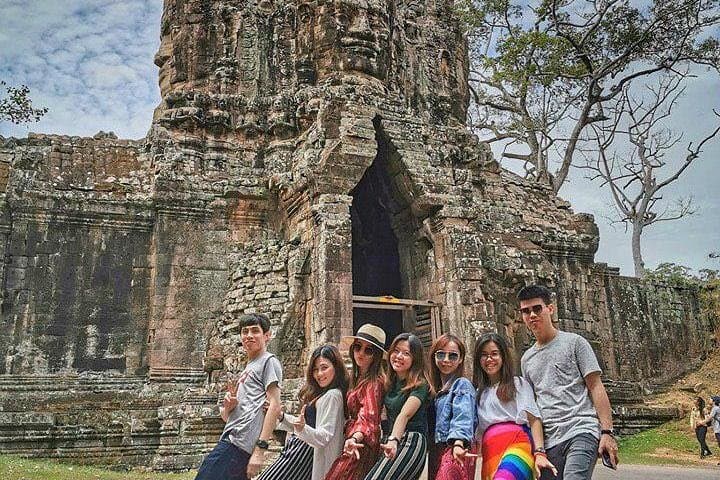
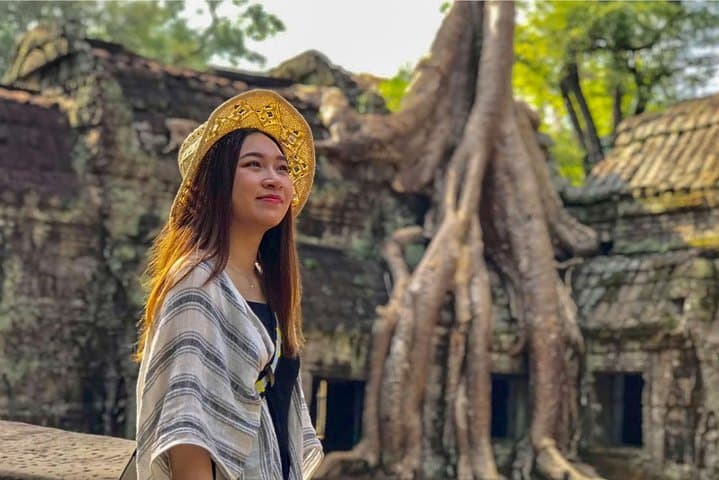
You arrive before the light softens and the temple stones begin to hold color; humid air lifts from the moat and the first spires of Angkor Wat cut a steady silhouette. The day moves from the root-entangled corridors of Ta Prohm to the carved faces of the Bayon and across the vast causeways of Angkor Thom, each stop offering a different cadence: close-up textures, broad axial views, and the hush of a worn gallery.
Verified experiences and guided adventures in the surrounding area.
Operated by Sightseeing Cambodia · Siem Reap, Siem Reap Province
You arrive before the light softens and the temple stones begin to hold color; humid air lifts from the moat and the first spires of Angkor Wat cut a steady silhouette. The day moves from the root-entangled corridors of Ta Prohm to the carved faces of the Bayon and across the vast causeways of Angkor Thom, each stop offering a different cadence: close-up textures, broad axial views, and the hush of a worn gallery.
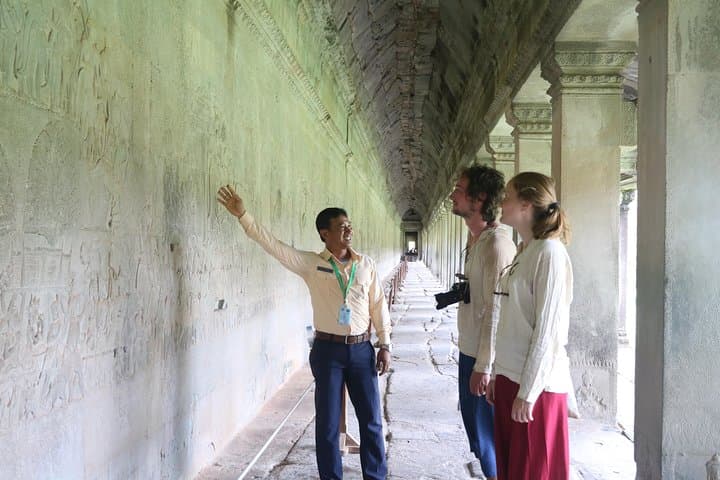
Angkor Wat began as an early 12th-century Hindu temple to Vishnu and later evolved into a Buddhist pilgrimage site. The complex sits on sedimentary sandstone over a low-lying floodplain — its bas-reliefs and galleries show both religious narrative and engineering adapted to seasonal water flows. Local guides translate inscriptions, point out iconography and explain how restoration and land use have shaped what visitors see today.
This small-group, shared tour (max ~10 people) typically runs 6–8 hours with hotel pickup, bottled water and a towel provided. Expect moderate walking across uneven stone, stairs and shaded paths; a midday lunch break is included near Angkor Wat. The sunset finale is often at Angkor Wat’s western causeway or nearby Phnom Bakheng, where crowds gather for the last light.
Practical notes: buy an Angkor Pass in advance, wear grippy shoes and respectful clothing for temples, carry refillable water, and plan for warm, humid conditions. The tour balances history, photography stops and manageable pacing for travelers who want a comprehensive single-day introduction to Angkor’s core sites.
moderate.
6–8 hours.
Comfortable walking ability: you should be able to handle several hours on your feet, stairs and uneven surfaces.
The shared tour lasts approximately 6–8 hours and visits Ta Prohm, Angkor Thom (including Bayon, Baphuon, Terrace of the Elephants and Leper King), a local lunch and Angkor Wat with a sunset stop.
Yes—round-trip hotel pickup and an air-conditioned vehicle are included for accommodations within Siem Reap’s pickup zone.
Yes—an Angkor Pass is required for entry to the temple complex; buy it at the official ticketing center or arrange in advance through your operator.
The itinerary is rated easy-to-moderate; children and older travelers can join but should be prepared for walking, stairs and heat; accommodations can be made for slower pacing.
Angkor Wat was commissioned in the early 12th century by King Suryavarman II as a Hindu state temple and later adapted into a major Buddhist site; Angkor Thom and the Bayon reflect Jayavarman VII’s 12th–13th century building program.
High visitation pressures have driven restoration and visitor-management plans; stick to designated paths, avoid climbing on carvings and use refillable bottles to reduce plastic waste.
Sightseeing Cambodia operates guided outdoor trips and adventures with an emphasis on safety, stewardship, and memorable experiences.

You arrive before the light softens and the temple stones begin to hold color; humid air lifts from the moat and the first spires of Angkor Wat cut a steady silhouette. The day moves from the root-entangled corridors of Ta Prohm to the carved faces of the Bayon and across the vast causeways of Angkor Thom, each stop offering a different cadence: close-up textures, broad axial views, and the hush of a worn gallery.
You arrive before the light softens and the temple stones begin to hold color; humid air lifts from the moat and the first spires of Angkor Wat cut a steady silhouette. The day moves from the root-entangled corridors of Ta Prohm to the carved faces of the Bayon and across the vast causeways of Angkor Thom, each stop offering a different cadence: close-up textures, broad axial views, and the hush of a worn gallery.
Angkor Wat began as an early 12th-century Hindu temple to Vishnu and later evolved into a Buddhist pilgrimage site. The complex sits on sedimentary sandstone over a low-lying floodplain — its bas-reliefs and galleries show both religious narrative and engineering adapted to seasonal water flows. Local guides translate inscriptions, point out iconography and explain how restoration and land use have shaped what visitors see today.
This small-group, shared tour (max ~10 people) typically runs 6–8 hours with hotel pickup, bottled water and a towel provided. Expect moderate walking across uneven stone, stairs and shaded paths; a midday lunch break is included near Angkor Wat. The sunset finale is often at Angkor Wat’s western causeway or nearby Phnom Bakheng, where crowds gather for the last light.
Practical notes: buy an Angkor Pass in advance, wear grippy shoes and respectful clothing for temples, carry refillable water, and plan for warm, humid conditions. The tour balances history, photography stops and manageable pacing for travelers who want a comprehensive single-day introduction to Angkor’s core sites.