THE ADVENTURE COLLECTIVE® · Independent discovery and booking for outdoor travel

Float from Luxor to Aswan on a classic dahabiya, visiting Karnak, the Valley of the Kings, Edfu and Kom Ombo over five days. This slow-paced cruise pairs intimate onboard comfort with guided access to Egypt’s most iconic archaeological sites.
Float from Luxor to Aswan on a classic dahabiya, visiting Karnak, the Valley of the Kings, Edfu and Kom Ombo over five days. This slow-paced cruise pairs intimate onboard comfort with guided access to Egypt’s most iconic archaeological sites.
You step from Luxor's palm-lined quay onto the low, elegant profile of a dahabiya; the Nile pats the hull like a patient companion as the city recedes. Daylight skims temple pylons and mud-brick villages, and the river pulls you into a quieter rhythm—sails trimming, cameras quiet, conversations measured.
Verified experiences and guided adventures in the surrounding area.
Operated by Bastet Travel · Luxor, Luxor Governorate
You step from Luxor's palm-lined quay onto the low, elegant profile of a dahabiya; the Nile pats the hull like a patient companion as the city recedes. Daylight skims temple pylons and mud-brick villages, and the river pulls you into a quieter rhythm—sails trimming, cameras quiet, conversations measured.
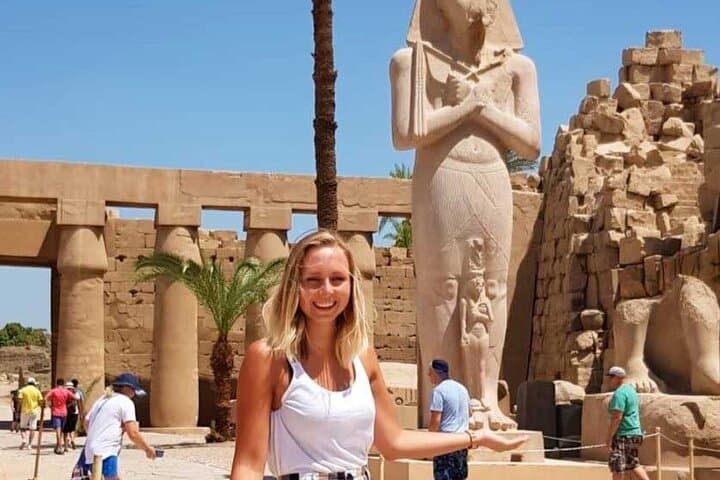
This five-day passage follows a living highway of history. The itinerary threads pharaonic high points—Karnak and Luxor Temples, Valley of the Kings, Edfu’s Horus Temple, Kom Ombo’s dual sanctuaries, and Aswan’s High Dam and Philae—set against a geology of alluvial banks and granite outcrops carved by the Nile for millennia. Dahabiyas were once the preferred craft of travelers seeking slow exploration; aboard one, the ship itself becomes part of the cultural story. In Nubian villages along the way, craftspeople and fishermen maintain traditions shaped by the river’s seasonal moods.
Practical notes: cabins are compact and comfortable; expect guided shore excursions with periods of walking on uneven stone and desert paths. Temperatures swing—hot sun midday, cool breezes on deck at dawn—so layer and hydrate. Photography is excellent from the deck at golden hour; early starts often avoid crowds at major sites. Bring a lightweight daypack for temple visits, and be prepared to remove shoes or cover shoulders at religious sites. Respect conservation rules at monuments—no flash photography in delicate tombs, and follow guides to limit wear on ancient surfaces.
By the final night in Aswan, the Nile has done more than move you downstream—it frames a sequence of human ingenuity, quiet landscape, and the slow luxury of time on water.
easy.
5 days.
Suitable for travelers in average physical condition; involves repeated short walks, some stair climbing, and boarding tenders.
Accommodation on the dahabiya, most meals as listed, guided sightseeing per itinerary, transfers, and local transport between sites are included—check the booking page for details.
Many sites have uneven terrain and steps; accessibility is limited—contact the operator in advance to discuss specific needs and possible alternatives.
Most travelers to Egypt require a visa—check current entry requirements for your nationality; routine vaccinations are generally sufficient, but consult your healthcare provider for up-to-date advice.
Daily schedules include guided excursions and relaxed sailing periods—expect evenings and some afternoons free to rest on deck or explore local markets.
The dahabiya was historically a private rivercraft favored by travelers and scholars; the route links New Kingdom temple complexes with Pharaonic quarries and Nubian cultural sites.
Preservation efforts around Philae and the Valley of the Kings focus on controlled visitor flow and limiting flash photography; reduce your footprint by avoiding single-use plastics and following guide instructions.
Bastet Travel operates guided outdoor trips and adventures with an emphasis on safety, stewardship, and memorable experiences.
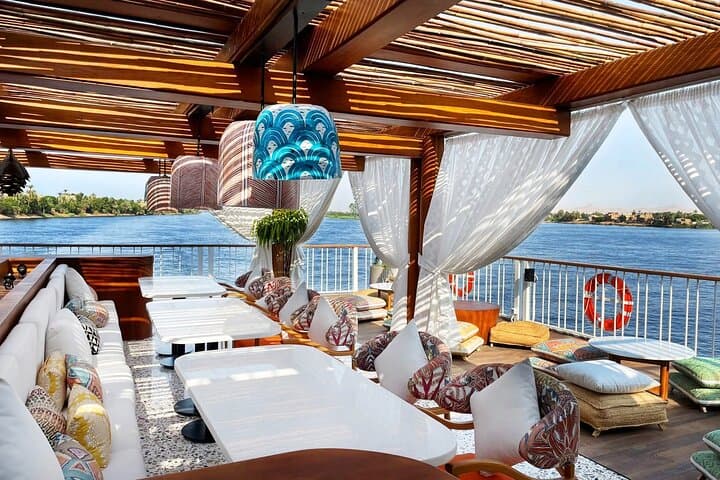
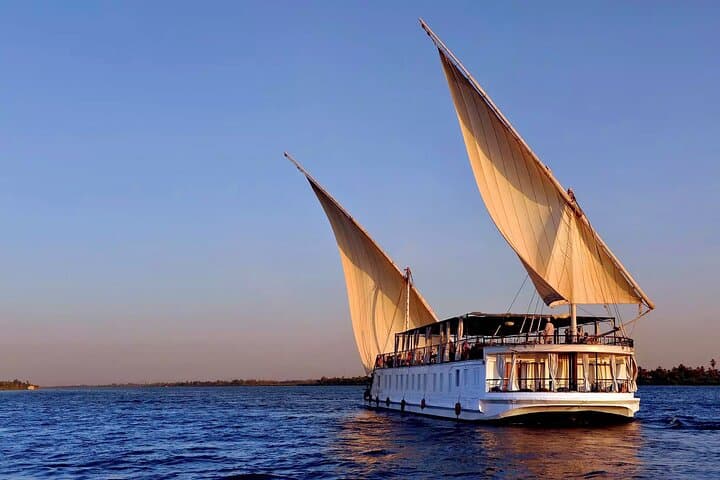
You step from Luxor's palm-lined quay onto the low, elegant profile of a dahabiya; the Nile pats the hull like a patient companion as the city recedes. Daylight skims temple pylons and mud-brick villages, and the river pulls you into a quieter rhythm—sails trimming, cameras quiet, conversations measured.
You step from Luxor's palm-lined quay onto the low, elegant profile of a dahabiya; the Nile pats the hull like a patient companion as the city recedes. Daylight skims temple pylons and mud-brick villages, and the river pulls you into a quieter rhythm—sails trimming, cameras quiet, conversations measured.
This five-day passage follows a living highway of history. The itinerary threads pharaonic high points—Karnak and Luxor Temples, Valley of the Kings, Edfu’s Horus Temple, Kom Ombo’s dual sanctuaries, and Aswan’s High Dam and Philae—set against a geology of alluvial banks and granite outcrops carved by the Nile for millennia. Dahabiyas were once the preferred craft of travelers seeking slow exploration; aboard one, the ship itself becomes part of the cultural story. In Nubian villages along the way, craftspeople and fishermen maintain traditions shaped by the river’s seasonal moods.
Practical notes: cabins are compact and comfortable; expect guided shore excursions with periods of walking on uneven stone and desert paths. Temperatures swing—hot sun midday, cool breezes on deck at dawn—so layer and hydrate. Photography is excellent from the deck at golden hour; early starts often avoid crowds at major sites. Bring a lightweight daypack for temple visits, and be prepared to remove shoes or cover shoulders at religious sites. Respect conservation rules at monuments—no flash photography in delicate tombs, and follow guides to limit wear on ancient surfaces.
By the final night in Aswan, the Nile has done more than move you downstream—it frames a sequence of human ingenuity, quiet landscape, and the slow luxury of time on water.