THE ADVENTURE COLLECTIVE® · Independent discovery and booking for outdoor travel

Glide down the Nile aboard a traditional dahabiya on a four-night journey from Luxor to Aswan that pairs slow river travel with guided visits to Karnak, the Valley of the Kings, Philae and the relocated Abu Simbel temples. Expect relaxed sailing, early-start excursions, and full-board logistics handled for you.
Glide down the Nile aboard a traditional dahabiya on a four-night journey from Luxor to Aswan that pairs slow river travel with guided visits to Karnak, the Valley of the Kings, Philae and the relocated Abu Simbel temples. Expect relaxed sailing, early-start excursions, and full-board logistics handled for you.
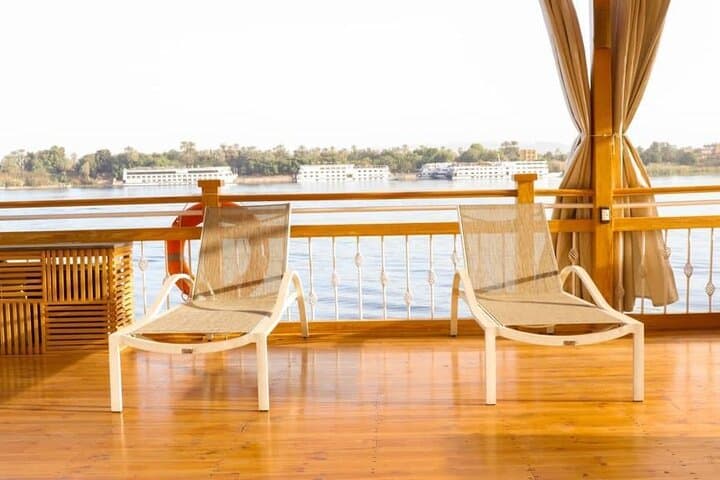
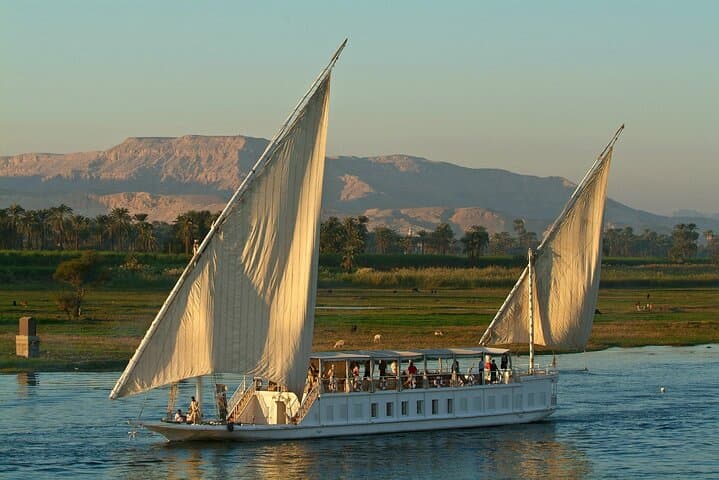
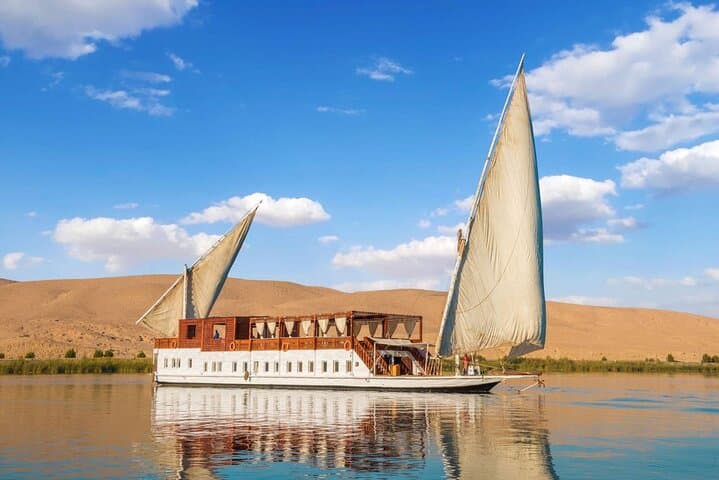
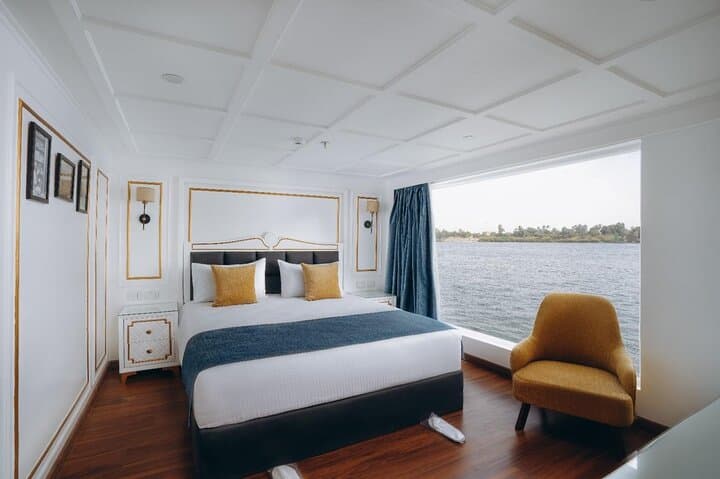
The sun lifts off the Nile in a wash of gold as the dahabiya eases away from Luxor’s quay—the river a broad, glassy highway with papyrus-fringed banks and distant temple silhouettes. Onboard, life follows the river’s slow rhythm: morning briefings with an Egyptologist, shaded lounges for mid-day quiet, and a sun deck that frames the desert’s low-profile ridgelines.
Verified experiences and guided adventures in the surrounding area.
Operated by Egypt VIP Tours · Luxor, Luxor Governorate
The sun lifts off the Nile in a wash of gold as the dahabiya eases away from Luxor’s quay—the river a broad, glassy highway with papyrus-fringed banks and distant temple silhouettes. Onboard, life follows the river’s slow rhythm: morning briefings with an Egyptologist, shaded lounges for mid-day quiet, and a sun deck that frames the desert’s low-profile ridgelines.
This five-day route threads through Egypt’s most concentrated pages of history. From the New Kingdom tombs in the Valley of the Kings to Hatshepsut’s terraced mortuary temple and the hypostyle halls of Karnak, the geology of the Nile valley—soft alluvial silt flanked by limestone escarpments—helped pharaonic builders set temples at precise, sunlit points. Ptolemaic monuments at Edfu and Kom Ombo reveal later layers of ritual and artistry, while Philae’s island setting and the mid-20th-century relocation of Abu Simbel tell a modern story of conservation and engineering.
Practical edge: expect gentle daily walks on uneven ancient stones, brief boat transfers to river temples, and an early pre-dawn transfer for Abu Simbel. Wear sturdy walking shoes, layered sun protection, and carry water for site visits. The cruise is full-board with private transfers and an expert guide included, making logistics straightforward; still, keep photocopies of travel documents and small Egyptian pounds for local purchases and tips.
End each day with the river’s steady push beneath the hull—ancient monuments by daylight, a quiet, lamp-lit deck by night—an intimate way to move through millennia without hurry.
easy.
5 days.
Suitable for travelers with basic mobility; able to board small boats and walk short uneven distances at archeological sites.
Abu Simbel is reached by either an early-morning road transfer (about 3–4 hours each way) or a short domestic flight from Aswan; the itinerary specifies which option is used.
Yes—this cruise includes entrance fees to listed sites and an Egyptologist guide for the scheduled visits as part of the package.
The operator lists wheelchair-accessible transfers, but temple and tomb access often involves steps and uneven surfaces; contact the provider in advance for specific mobility needs.
Carry some Egyptian pounds for small purchases and tipping; tipping crew and local guides is customary—small notes and coins are convenient.
The route links pharaonic power centers of the New Kingdom with later Ptolemaic and Roman additions; Abu Simbel’s 1960s relocation to save it from Lake Nasser is a modern chapter in the valley’s preservation story.
Many temples are protected sites with rules about touching reliefs and photography in tombs; minimizing plastic waste and staying on marked paths helps preserve fragile archaeology.
Egypt VIP Tours operates guided outdoor trips and adventures with an emphasis on safety, stewardship, and memorable experiences.
The sun lifts off the Nile in a wash of gold as the dahabiya eases away from Luxor’s quay—the river a broad, glassy highway with papyrus-fringed banks and distant temple silhouettes. Onboard, life follows the river’s slow rhythm: morning briefings with an Egyptologist, shaded lounges for mid-day quiet, and a sun deck that frames the desert’s low-profile ridgelines.
The sun lifts off the Nile in a wash of gold as the dahabiya eases away from Luxor’s quay—the river a broad, glassy highway with papyrus-fringed banks and distant temple silhouettes. Onboard, life follows the river’s slow rhythm: morning briefings with an Egyptologist, shaded lounges for mid-day quiet, and a sun deck that frames the desert’s low-profile ridgelines.
This five-day route threads through Egypt’s most concentrated pages of history. From the New Kingdom tombs in the Valley of the Kings to Hatshepsut’s terraced mortuary temple and the hypostyle halls of Karnak, the geology of the Nile valley—soft alluvial silt flanked by limestone escarpments—helped pharaonic builders set temples at precise, sunlit points. Ptolemaic monuments at Edfu and Kom Ombo reveal later layers of ritual and artistry, while Philae’s island setting and the mid-20th-century relocation of Abu Simbel tell a modern story of conservation and engineering.
Practical edge: expect gentle daily walks on uneven ancient stones, brief boat transfers to river temples, and an early pre-dawn transfer for Abu Simbel. Wear sturdy walking shoes, layered sun protection, and carry water for site visits. The cruise is full-board with private transfers and an expert guide included, making logistics straightforward; still, keep photocopies of travel documents and small Egyptian pounds for local purchases and tips.
End each day with the river’s steady push beneath the hull—ancient monuments by daylight, a quiet, lamp-lit deck by night—an intimate way to move through millennia without hurry.