THE ADVENTURE COLLECTIVE® · Independent discovery and booking for outdoor travel

Glide through ancient streets on a compact BROMPTON and experience Nara’s UNESCO sites at an unhurried pace. This six-hour slow cycling tour pairs cultural depth with easy riding—perfect for first-time visitors who want photos, history, and time to breathe.
Glide through ancient streets on a compact BROMPTON and experience Nara’s UNESCO sites at an unhurried pace. This six-hour slow cycling tour pairs cultural depth with easy riding—perfect for first-time visitors who want photos, history, and time to breathe.
You push off on a compact BROMPTON and the city opens up at walking speed—stone streets easing into wide lawns where deer lift their heads like small, watchful sentinels. The air carries incense from temple gates and the distant toll of temple bells; every stop feels deliberate rather than rushed.
Verified experiences and guided adventures in the surrounding area.
Operated by BROMPTON SLOW CYCLING TOURS · Nara, Nara Prefecture
You push off on a compact BROMPTON and the city opens up at walking speed—stone streets easing into wide lawns where deer lift their heads like small, watchful sentinels. The air carries incense from temple gates and the distant toll of temple bells; every stop feels deliberate rather than rushed.
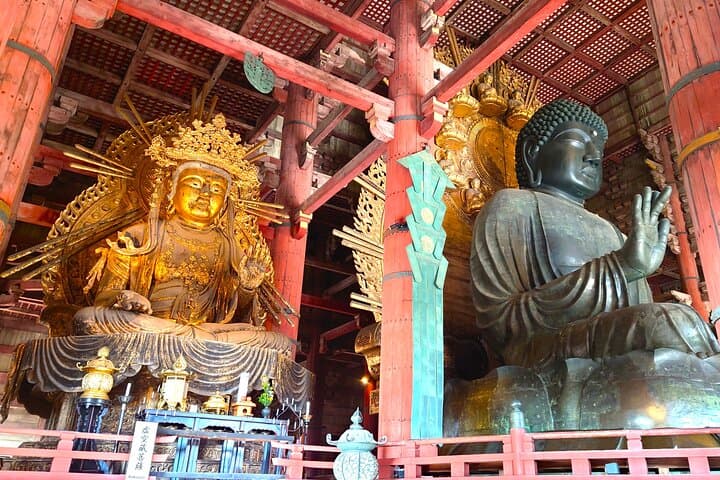
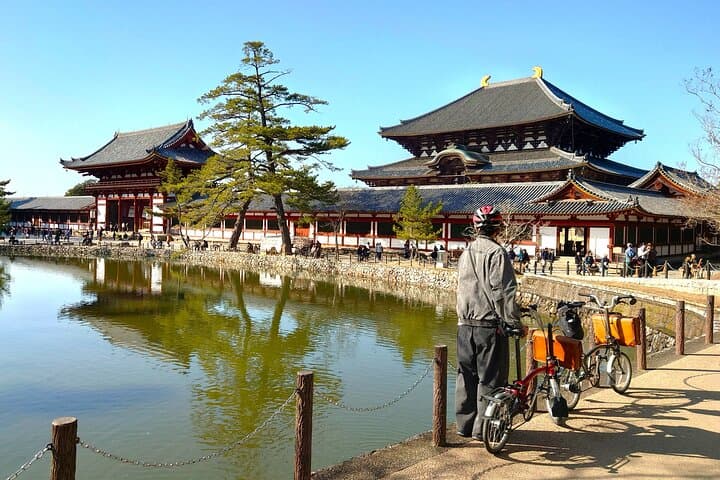
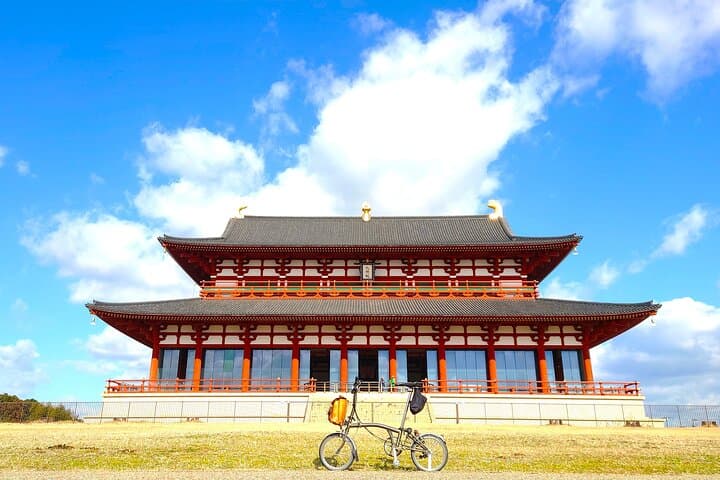
This slow cycling route threads Heijo Palace ruins, Todaiji Temple, Kofukuji and Kasuga Taisha—sites that map Nara’s role as Japan’s first permanent capital in the 8th century. Geologically, the city sits on low basin plains framed by gentle hills; Nara Park folds into the Kasuga primeval forest, a remnant of ancient woodland that shaped the city’s ritual landscapes. Cultural notes surface at each stop: Todaiji’s Great Buddha marks the zenith of state-sponsored Buddhism, Kasuga’s lantern-lined approach links Shinto ritual to the city’s founding clans, and the roaming sika deer—long treated as divine messengers—still dominate the park’s social scene.
Practically, expect a relaxed six-hour outing with frequent photo stops and short walks within shrine precincts. Distance covered is modest (roughly 10–15 km) on mostly flat, paved streets and compacted park paths; total elevation gain is minimal. Guides provide helmets and lightweight bags; the tempo suits travelers who want cultural depth without a strenuous ride. Bring sun protection, a charged phone, and small bills for temple donations and snacks. Respect temple etiquette—quiet voices, shoes removed where required—and keep a safe distance from deer (don’t feed them packaged food). Start early to avoid mid-day crowds and the summer humidity; spring cherry blossoms and autumn maples reward flexible timing.
moderate.
6 hours.
Suitable for travelers with average fitness — mostly flat riding with frequent stops and short walks at sites.
No advanced skills are needed; a basic comfort riding a city bike is sufficient since the tour is paced slowly and on mostly flat roads.
The tour includes a BROMPTON bicycle, helmet, bags for wheeled transport, and an English-speaking navigator; entrance fees are subject to the itinerary and should be confirmed when booking.
This tour is not recommended for pregnant travelers or people with significant spinal or cardiovascular conditions — consult your doctor and the operator’s booking requirements.
You can observe deer at close range but should not feed them packaged food; follow your guide’s safety advice to avoid startling animals or encouraging aggressive behavior.
Nara was Japan’s capital from 710–794 (Heijo-kyo era); many temple compounds survive from that period and reflect early state Buddhism and the power of Nakatomi/Fujiwara clans.
Nara Park manages deer-human interactions with guidelines and seasonal controls; visitors are encouraged to minimize litter, avoid feeding wildlife, and respect shrine conservation rules.
BROMPTON SLOW CYCLING TOURS operates guided outdoor trips and adventures with an emphasis on safety, stewardship, and memorable experiences.

You push off on a compact BROMPTON and the city opens up at walking speed—stone streets easing into wide lawns where deer lift their heads like small, watchful sentinels. The air carries incense from temple gates and the distant toll of temple bells; every stop feels deliberate rather than rushed.
You push off on a compact BROMPTON and the city opens up at walking speed—stone streets easing into wide lawns where deer lift their heads like small, watchful sentinels. The air carries incense from temple gates and the distant toll of temple bells; every stop feels deliberate rather than rushed.
This slow cycling route threads Heijo Palace ruins, Todaiji Temple, Kofukuji and Kasuga Taisha—sites that map Nara’s role as Japan’s first permanent capital in the 8th century. Geologically, the city sits on low basin plains framed by gentle hills; Nara Park folds into the Kasuga primeval forest, a remnant of ancient woodland that shaped the city’s ritual landscapes. Cultural notes surface at each stop: Todaiji’s Great Buddha marks the zenith of state-sponsored Buddhism, Kasuga’s lantern-lined approach links Shinto ritual to the city’s founding clans, and the roaming sika deer—long treated as divine messengers—still dominate the park’s social scene.
Practically, expect a relaxed six-hour outing with frequent photo stops and short walks within shrine precincts. Distance covered is modest (roughly 10–15 km) on mostly flat, paved streets and compacted park paths; total elevation gain is minimal. Guides provide helmets and lightweight bags; the tempo suits travelers who want cultural depth without a strenuous ride. Bring sun protection, a charged phone, and small bills for temple donations and snacks. Respect temple etiquette—quiet voices, shoes removed where required—and keep a safe distance from deer (don’t feed them packaged food). Start early to avoid mid-day crowds and the summer humidity; spring cherry blossoms and autumn maples reward flexible timing.