THE ADVENTURE COLLECTIVE® · Independent discovery and booking for outdoor travel

Take a slow, private walk through Split’s living history—beginning with coffee on the Riva and moving through Diocletian’s Palace, the Green Market, and tucked-away alleys where local stories live. Ideal for travelers who prefer depth over speed.
Take a slow, private walk through Split’s living history—beginning with coffee on the Riva and moving through Diocletian’s Palace, the Green Market, and tucked-away alleys where local stories live. Ideal for travelers who prefer depth over speed.
You meet your guide on the Riva — the Adriatic glinting, gulls calling, and the city already moving at its own measured rhythm.
Verified experiences and guided adventures in the surrounding area.
Operated by Walking tours with The Storyteller Croatia · Split, Split-Dalmatia County
You meet your guide on the Riva — the Adriatic glinting, gulls calling, and the city already moving at its own measured rhythm.
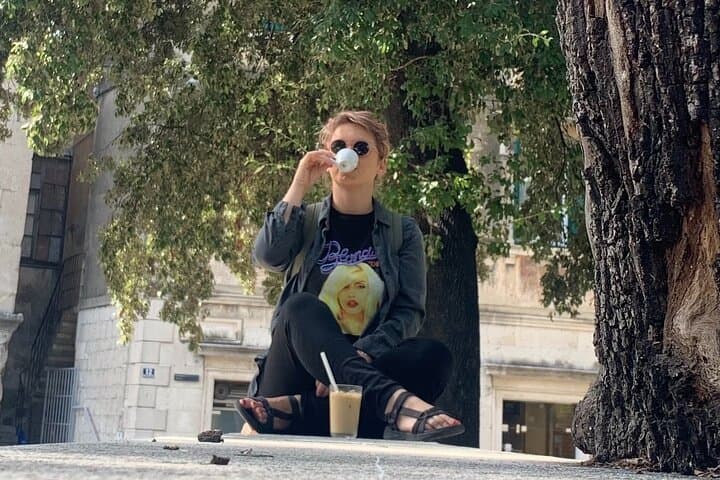
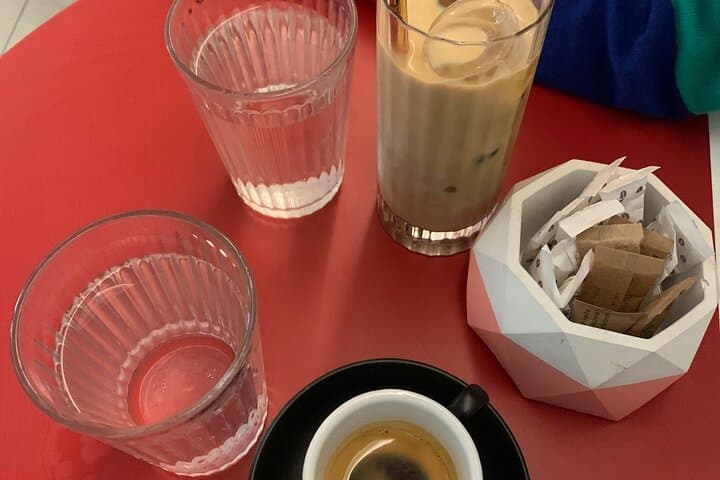
The first sip of espresso becomes a lens: warm, bitter, local. From there the route threads through Diocletian’s Palace, where Roman stone houses modern shops and residents still open their doors after 1,700 years. The walk passes the Green Market (Pazar), where produce and conversation share the same space, then slips into side streets where marble steps, hand-painted signs, and family-run konobas reveal stories ordinary guidebooks miss.
This is a tour of living layers: Roman foundations and medieval facades, Venetian influences and Austro-Hungarian façades, all rubbing shoulders with fishermen, traders and contemporary Split citizens. Your guide—born and raised in the city—connects architecture to daily life and explains local food customs, from olive oil and wine to rakija.
Expect short, measured distances across mostly flat, paved streets and a few uneven stones inside the Palace. The pace favors conversation and quiet observation rather than ticking off monuments. Practical notes: mornings are cooler and less crowded; bring comfortable shoes for cobbled alleys and a light layer for coastal wind. Cash helps for small market purchases and bakery treats. Accessibility is good on main routes, though some palace alleys have narrow thresholds.
In under 90 minutes you’ll leave with more than photos: a sense of how Split lives in its history, and a list of cafés and local spots to explore on your own.
easy.
1.25–1.5 hours.
Suitable for most fitness levels; involves walking on uneven, cobbled streets for up to 90 minutes.
Meeting is on the Riva waterfront; the route ends at a specialty café inside or beside the Palace for coffee and a final discussion.
Main routes along the Riva and parts of the Palace are wheelchair accessible, but some historic alleys and thresholds may be uneven—notify the guide when booking.
The tour listing is hosted in English and often offered in additional languages—check the booking page or request language needs at reservation time.
Yes; the tour is family-friendly. Narrow alleys can be tight for strollers, so a compact stroller is recommended.
Diocletian’s Palace, built for the Roman emperor in the early 4th century, forms the core of Split—homes, shops, and public life have occupied its walls continuously since antiquity.
Respect archaeological sites by staying on marked paths, avoid climbing ruins, and support local businesses to keep tourism benefits within the community.
Walking tours with The Storyteller Croatia operates guided outdoor trips and adventures with an emphasis on safety, stewardship, and memorable experiences.


You meet your guide on the Riva — the Adriatic glinting, gulls calling, and the city already moving at its own measured rhythm.
You meet your guide on the Riva — the Adriatic glinting, gulls calling, and the city already moving at its own measured rhythm.
The first sip of espresso becomes a lens: warm, bitter, local. From there the route threads through Diocletian’s Palace, where Roman stone houses modern shops and residents still open their doors after 1,700 years. The walk passes the Green Market (Pazar), where produce and conversation share the same space, then slips into side streets where marble steps, hand-painted signs, and family-run konobas reveal stories ordinary guidebooks miss.
This is a tour of living layers: Roman foundations and medieval facades, Venetian influences and Austro-Hungarian façades, all rubbing shoulders with fishermen, traders and contemporary Split citizens. Your guide—born and raised in the city—connects architecture to daily life and explains local food customs, from olive oil and wine to rakija.
Expect short, measured distances across mostly flat, paved streets and a few uneven stones inside the Palace. The pace favors conversation and quiet observation rather than ticking off monuments. Practical notes: mornings are cooler and less crowded; bring comfortable shoes for cobbled alleys and a light layer for coastal wind. Cash helps for small market purchases and bakery treats. Accessibility is good on main routes, though some palace alleys have narrow thresholds.
In under 90 minutes you’ll leave with more than photos: a sense of how Split lives in its history, and a list of cafés and local spots to explore on your own.