THE ADVENTURE COLLECTIVE® · Independent discovery and booking for outdoor travel

See two- and three-toed sloths on a guided rainforest walk, then taste fresh chocolate, coffee and sugarcane while learning local production techniques. This easy, family-friendly experience combines wildlife viewing with agro-cultural insights near La Fortuna.
See two- and three-toed sloths on a guided rainforest walk, then taste fresh chocolate, coffee and sugarcane while learning local production techniques. This easy, family-friendly experience combines wildlife viewing with agro-cultural insights near La Fortuna.
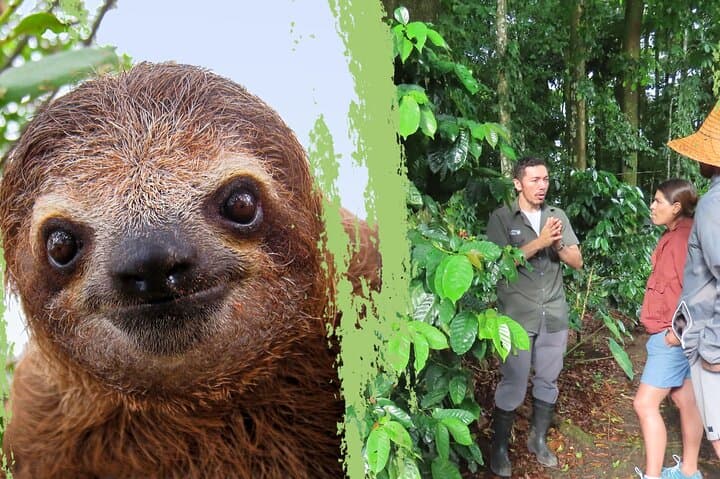
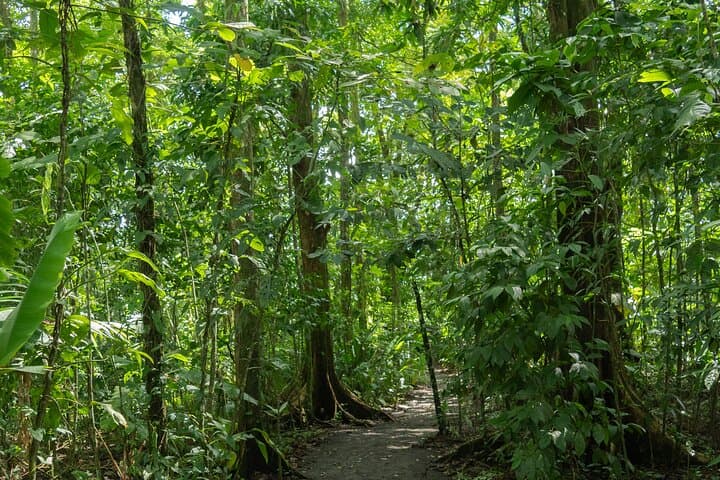
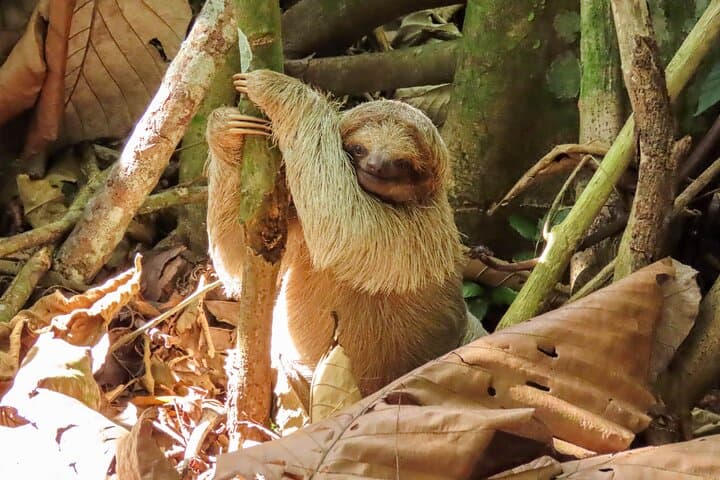
You step off the shuttle into humid air thick with green — leaves drip, vines tug at the light, and the forest seems to watch as you begin. The trail is narrow but well-graded, a 1.5–2 hour loop that threads through secondary rainforest toward a focused sloth sanctuary where both two-toed and three-toed sloths often hang frozen in the canopy.
Verified experiences and guided adventures in the surrounding area.
Operated by Sloth Watching Trail · La Fortuna, Alajuela
You step off the shuttle into humid air thick with green — leaves drip, vines tug at the light, and the forest seems to watch as you begin. The trail is narrow but well-graded, a 1.5–2 hour loop that threads through secondary rainforest toward a focused sloth sanctuary where both two-toed and three-toed sloths often hang frozen in the canopy.
Geology here reflects volcanic history: old lava flows and rich, volcanic soils feed dense vegetation and a high diversity of amphibians and birds. Culturally, the Arenal region grew from cattle and coffee farms into an ecotourism hub; local guides often weave family farming stories into natural history while explaining sustainable cacao and coffee production.
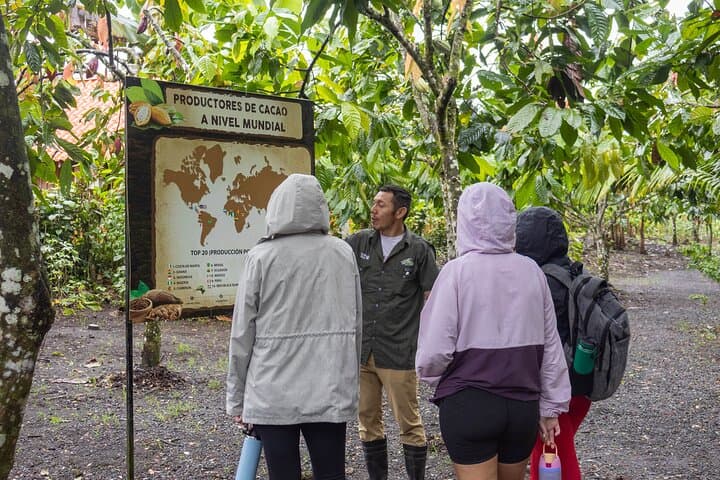
The hike itself is interpretive and accessible — low elevation change, packed dirt and boardwalks, occasional muddy patches after rain. Guides use binoculars and a telescope to locate wildlife; expect frogs, hanging sloths, and a chorus of birds rather than fast wildlife encounters. After the walk you move to the park’s tasting area for hands-on demonstrations of cacao roasting, coffee brewing and sugarcane processing, with samples and clear explanations of traditional and modern techniques.
Practical advice: arrive early for cooler conditions, wear closed-toe shoes with grip, and carry a lightweight rain jacket — showers are common year-round. Bring binoculars or use the provided optics, insect repellent, and a small bottle of water. The tour is family-friendly and suitable for most abilities; inform the operator of mobility needs for pickup arrangements. This blend of wildlife watching and agro-cultural tasting makes for a concise, informative half-day in the Arenal foothills.
easy.
1.5–2 hours.
Suitable for most fitness levels; minimal elevation change and mostly gentle walking
The full experience lasts roughly 90 minutes: a 1.5–2 hour guided walk followed by a tasting session.
Yes — the park is stroller-accessible and the walk is advertised as suitable for all fitness levels, though some boardwalks may be narrow.
Guides know local animals and use optics to locate sloths, but wildlife sightings cannot be guaranteed; sightings are frequent but variable.
Transport is listed as included by the operator; confirm pickup logistics and any special requirements when booking.
The Arenal area transitioned from small-scale agriculture to ecotourism after the growth of Arenal Volcano Park and improved road access; coffee and cacao remain important local crops.
Many local operators emphasize low-impact trails and educational programs; stick to paths and avoid feeding wildlife to minimize disturbance.
Sloth Watching Trail operates guided outdoor trips and adventures with an emphasis on safety, stewardship, and memorable experiences.
You step off the shuttle into humid air thick with green — leaves drip, vines tug at the light, and the forest seems to watch as you begin. The trail is narrow but well-graded, a 1.5–2 hour loop that threads through secondary rainforest toward a focused sloth sanctuary where both two-toed and three-toed sloths often hang frozen in the canopy.
You step off the shuttle into humid air thick with green — leaves drip, vines tug at the light, and the forest seems to watch as you begin. The trail is narrow but well-graded, a 1.5–2 hour loop that threads through secondary rainforest toward a focused sloth sanctuary where both two-toed and three-toed sloths often hang frozen in the canopy.
Geology here reflects volcanic history: old lava flows and rich, volcanic soils feed dense vegetation and a high diversity of amphibians and birds. Culturally, the Arenal region grew from cattle and coffee farms into an ecotourism hub; local guides often weave family farming stories into natural history while explaining sustainable cacao and coffee production.
The hike itself is interpretive and accessible — low elevation change, packed dirt and boardwalks, occasional muddy patches after rain. Guides use binoculars and a telescope to locate wildlife; expect frogs, hanging sloths, and a chorus of birds rather than fast wildlife encounters. After the walk you move to the park’s tasting area for hands-on demonstrations of cacao roasting, coffee brewing and sugarcane processing, with samples and clear explanations of traditional and modern techniques.
Practical advice: arrive early for cooler conditions, wear closed-toe shoes with grip, and carry a lightweight rain jacket — showers are common year-round. Bring binoculars or use the provided optics, insect repellent, and a small bottle of water. The tour is family-friendly and suitable for most abilities; inform the operator of mobility needs for pickup arrangements. This blend of wildlife watching and agro-cultural tasting makes for a concise, informative half-day in the Arenal foothills.