THE ADVENTURE COLLECTIVE® · Independent discovery and booking for outdoor travel

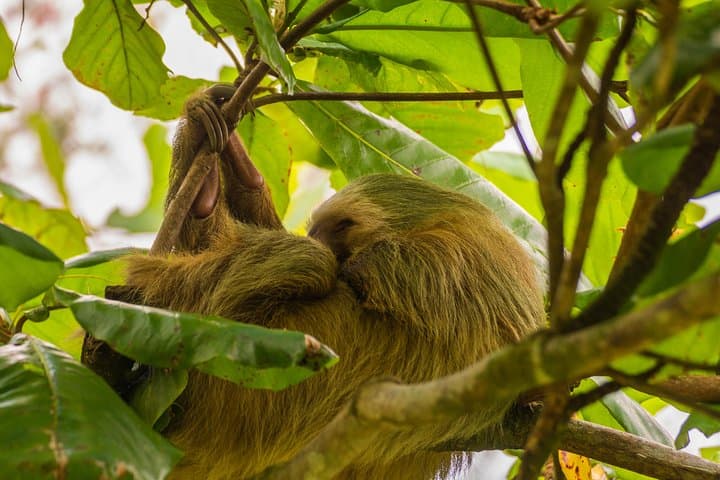
Walk a short rainforest trail minutes from La Fortuna to spot two-toed sloths in Guarumo trees, guided by local stewards who pair close-up viewing with conservation education. Suitable for families and available as a day or night tour.
Walk a short rainforest trail minutes from La Fortuna to spot two-toed sloths in Guarumo trees, guided by local stewards who pair close-up viewing with conservation education. Suitable for families and available as a day or night tour.
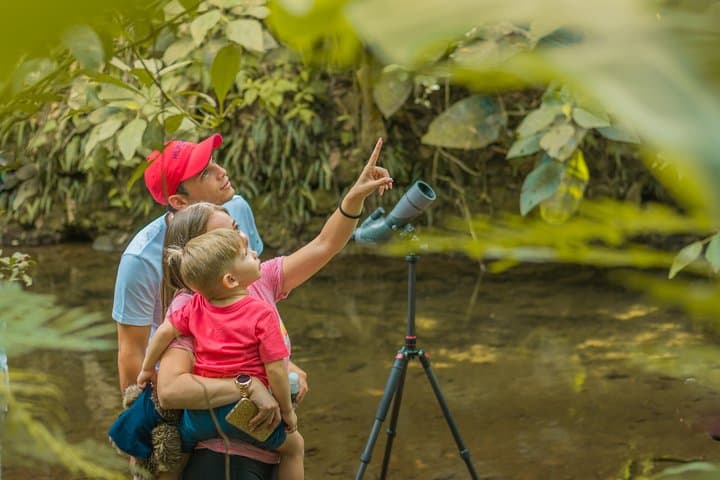
Dawn light filters through glossy leaves as the guide leads the small group onto a 1,500-meter path bordered by a slow river and stands of Guarumo trees — the sloths’ favorite food. The forest seems to watch back: branches shift, leaves whisper, and the slow, deliberate movements of a two-toed sloth puncture the quiet.
Verified experiences and guided adventures in the surrounding area.
Operated by Ecoterra Expeditions · La Fortuna, Alajuela
Dawn light filters through glossy leaves as the guide leads the small group onto a 1,500-meter path bordered by a slow river and stands of Guarumo trees — the sloths’ favorite food. The forest seems to watch back: branches shift, leaves whisper, and the slow, deliberate movements of a two-toed sloth puncture the quiet.
This short, family-run eco-project sits five minutes from La Fortuna, in Costa Rica’s Arenal region, where volcanic soils and a humid tropical climate support dense secondary forest. Local families such as the Rodríguez and conservation initiatives like Ecoterra maintain the property to protect sloths from illegal trade and habitat loss. The geology here—young volcanic plains with rich alluvial soils—encourages rapid plant growth, creating vertical corridors for arboreal mammals. Culturally, the tour ties wildlife viewing to stewardship: guides talk about rescue, rehabilitation, and the challenges of wildlife trafficking.
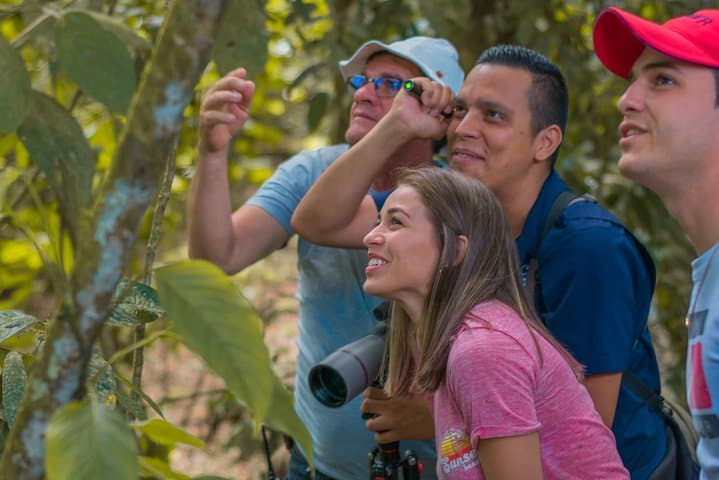
Practical guidance: tours run about two to three hours (scheduled at 8:00 a.m., 2:00 p.m., or a 5:30 p.m. night option when two-toed sloths are more active). Expect flat, well-marked trails suitable for most fitness levels; bring quiet footsteps, binoculars, and a camera without flash. The operator provides bottled water, observation gear, and hotel pickup in an air-conditioned vehicle. Dress for humidity—light, quick-dry layers and closed-toe shoes are best—and use insect repellent. Follow the guide’s rules: no touching, no feeding, and keep a respectful distance to avoid stressing the animals. The experience balances intimate wildlife encounters with clear conservation messaging, making it both an accessible and responsible way to see Costa Rica’s famously slow residents.
easy.
2–3 hours.
Light walking on mostly flat, well-maintained 1.5 km trail; suitable for families, older adults, and children.
The tour lasts about 2–3 hours with departures commonly at 8:00 a.m., 2:00 p.m., and a 5:30 p.m. night option when sloths may be more active.
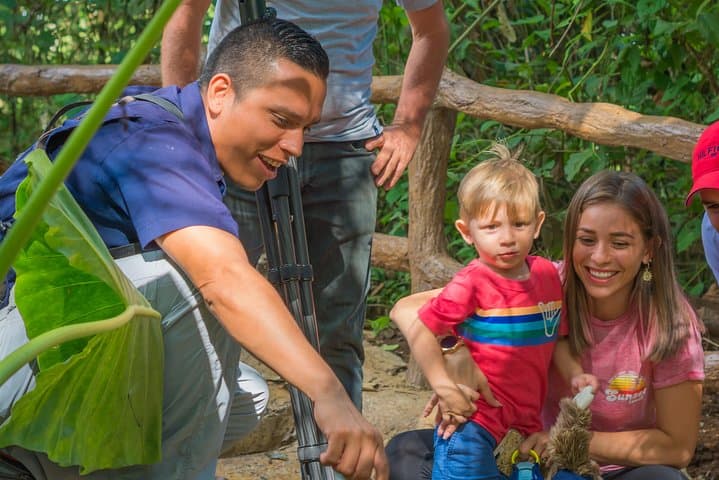
Yes — the 1,500-meter trail is family-friendly and infant seats are available for transfers; parents should judge based on their child’s tolerance for walking and humidity.
No — touching and feeding wildlife is prohibited to protect animal health and behavior; guides will explain viewing distances and rules.
The operator may cancel for bad weather or insufficient travelers; cancel at least 24 hours ahead for a full refund per policy.
Local families like the Rodríguez have long managed small forest parcels for sustenance and now partner with conservation groups to protect wildlife corridors near La Fortuna.
The project emphasizes anti-trafficking education and habitat protection; visitors are asked to minimize disturbance, stick to trails, and support local conservation fees.
Ecoterra Expeditions operates guided outdoor trips and adventures with an emphasis on safety, stewardship, and memorable experiences.
Dawn light filters through glossy leaves as the guide leads the small group onto a 1,500-meter path bordered by a slow river and stands of Guarumo trees — the sloths’ favorite food. The forest seems to watch back: branches shift, leaves whisper, and the slow, deliberate movements of a two-toed sloth puncture the quiet.
Dawn light filters through glossy leaves as the guide leads the small group onto a 1,500-meter path bordered by a slow river and stands of Guarumo trees — the sloths’ favorite food. The forest seems to watch back: branches shift, leaves whisper, and the slow, deliberate movements of a two-toed sloth puncture the quiet.
This short, family-run eco-project sits five minutes from La Fortuna, in Costa Rica’s Arenal region, where volcanic soils and a humid tropical climate support dense secondary forest. Local families such as the Rodríguez and conservation initiatives like Ecoterra maintain the property to protect sloths from illegal trade and habitat loss. The geology here—young volcanic plains with rich alluvial soils—encourages rapid plant growth, creating vertical corridors for arboreal mammals. Culturally, the tour ties wildlife viewing to stewardship: guides talk about rescue, rehabilitation, and the challenges of wildlife trafficking.
Practical guidance: tours run about two to three hours (scheduled at 8:00 a.m., 2:00 p.m., or a 5:30 p.m. night option when two-toed sloths are more active). Expect flat, well-marked trails suitable for most fitness levels; bring quiet footsteps, binoculars, and a camera without flash. The operator provides bottled water, observation gear, and hotel pickup in an air-conditioned vehicle. Dress for humidity—light, quick-dry layers and closed-toe shoes are best—and use insect repellent. Follow the guide’s rules: no touching, no feeding, and keep a respectful distance to avoid stressing the animals. The experience balances intimate wildlife encounters with clear conservation messaging, making it both an accessible and responsible way to see Costa Rica’s famously slow residents.