THE ADVENTURE COLLECTIVE® · Independent discovery and booking for outdoor travel

A short, guided visit that brings you face-to-face with sloths and capuchin monkeys on Roatán. Learn about local rescue work, animal behavior, and the island’s conservation challenges in a compact 3-hour excursion.
A short, guided visit that brings you face-to-face with sloths and capuchin monkeys on Roatán. Learn about local rescue work, animal behavior, and the island’s conservation challenges in a compact 3-hour excursion.
The bus releases you onto a shaded lane and the air shifts—humid, green, threaded with salt and citrus. A fifteen- to twenty-minute drive from the cruise terminal moves from roadside homes into a patchwork of mango trees and coral-rock outcrops; the sanctuary sits where forest meets cultivated garden and the animals move like weather—slow, deliberate, curious.
Verified experiences and guided adventures in the surrounding area.
Operated by Roatan Ocean Adventures · Roatán, Bay Islands
The bus releases you onto a shaded lane and the air shifts—humid, green, threaded with salt and citrus. A fifteen- to twenty-minute drive from the cruise terminal moves from roadside homes into a patchwork of mango trees and coral-rock outcrops; the sanctuary sits where forest meets cultivated garden and the animals move like weather—slow, deliberate, curious.
The Bay Islands sit on the edge of the Mesoamerican Barrier Reef; the island’s human history blends Garifuna, English-colonial, and Honduran influences, and conservation efforts here reflect a coastal culture that depends on healthy ecosystems. The sanctuary itself grew from local rescue work and education programs aimed at rehabilitating orphaned or injured sloths and capuchin monkeys while teaching visitors about habitat pressures and reef-to-forest connections.
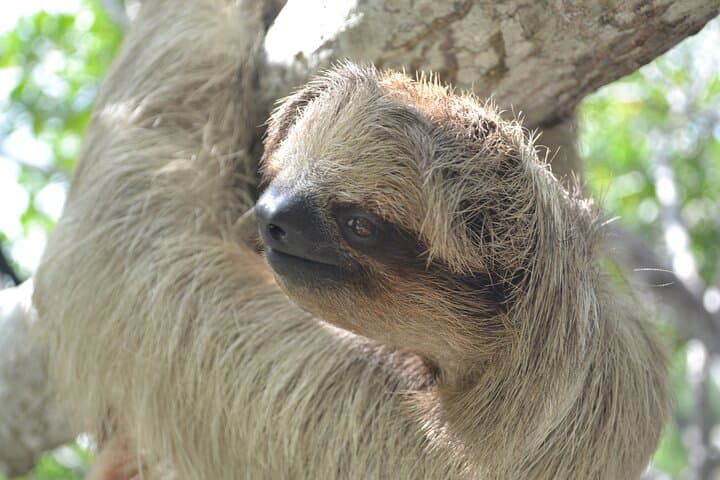
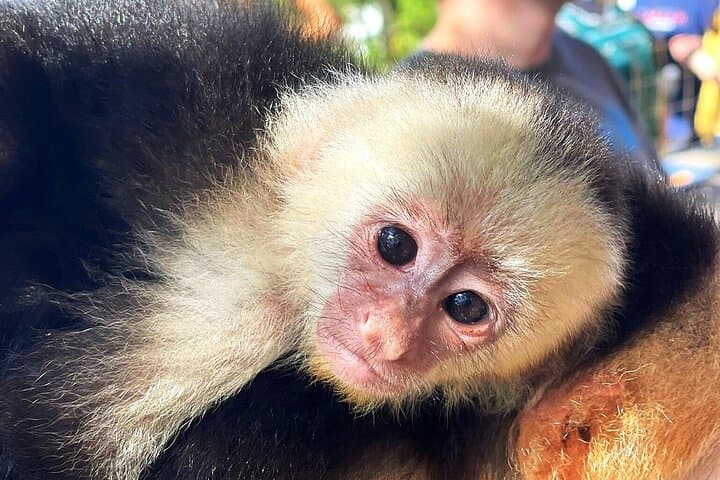
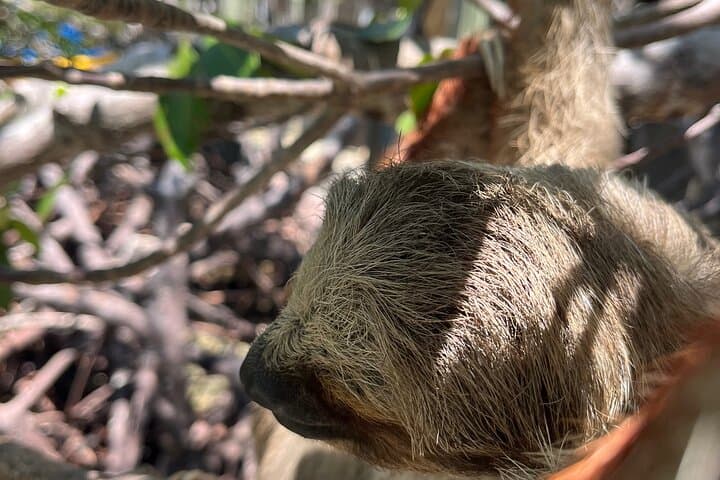
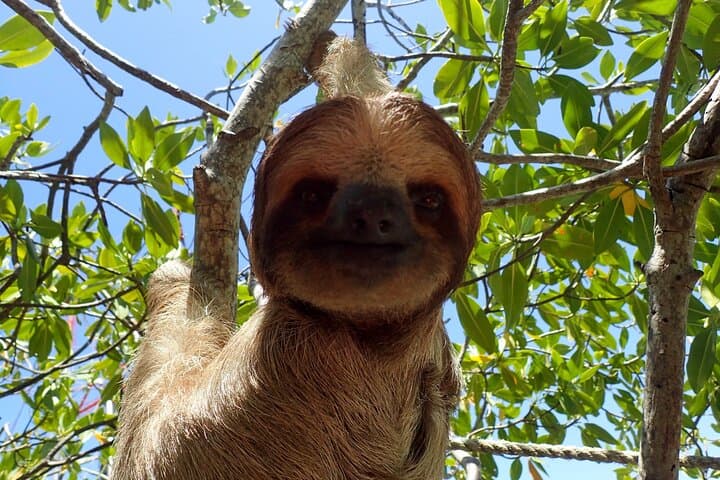
Expect a guided, interpretive walk lasting about an hour inside enclosed enclosures and natural shade. Guides explain sloth biology—why they move slowly, their algae-coated fur—and monkey social behavior before supervised viewing and photo opportunities; interactions are controlled and educational rather than free-form petting. Terrain is flat but can be uneven and muddy after rain.
Practical tips: arrive early to avoid midday heat and tour overlaps, bring insect repellent and a refillable water bottle, and carry small local currency for optional photos and tips. Respect keeper instructions: do not feed animals, and keep voices low near enclosures. The excursion’s education focus makes it a low-impact wildlife stop that pairs well with snorkeling on the reef or a short West Bay beach visit afterward.
easy.
3 hours.
Suitable for all fitness levels; involves light walking on mostly flat terrain
Yes—pick-up from the cruise ship terminal is typically provided in an air-conditioned vehicle with a short scenic drive to the sanctuary.
The tour is family-friendly; infants must sit on an adult’s lap and all interactions are supervised by staff.
Interactions are controlled and guided—touching is limited and allowed only when supervised by sanctuary staff to protect animal welfare.
Full refunds are available if you cancel at least 24 hours before the scheduled departure; the operator may cancel for bad weather.
The Bay Islands combine Garifuna, British colonial, and Honduran influences; local sanctuaries often started as community rescue and education projects tied to tourism.
The sanctuary balances visitor experiences with rehabilitation and environmental education; avoid feeding animals and support programs that fund local rescue efforts.
Roatan Ocean Adventures operates guided outdoor trips and adventures with an emphasis on safety, stewardship, and memorable experiences.
The bus releases you onto a shaded lane and the air shifts—humid, green, threaded with salt and citrus. A fifteen- to twenty-minute drive from the cruise terminal moves from roadside homes into a patchwork of mango trees and coral-rock outcrops; the sanctuary sits where forest meets cultivated garden and the animals move like weather—slow, deliberate, curious.
The bus releases you onto a shaded lane and the air shifts—humid, green, threaded with salt and citrus. A fifteen- to twenty-minute drive from the cruise terminal moves from roadside homes into a patchwork of mango trees and coral-rock outcrops; the sanctuary sits where forest meets cultivated garden and the animals move like weather—slow, deliberate, curious.
The Bay Islands sit on the edge of the Mesoamerican Barrier Reef; the island’s human history blends Garifuna, English-colonial, and Honduran influences, and conservation efforts here reflect a coastal culture that depends on healthy ecosystems. The sanctuary itself grew from local rescue work and education programs aimed at rehabilitating orphaned or injured sloths and capuchin monkeys while teaching visitors about habitat pressures and reef-to-forest connections.
Expect a guided, interpretive walk lasting about an hour inside enclosed enclosures and natural shade. Guides explain sloth biology—why they move slowly, their algae-coated fur—and monkey social behavior before supervised viewing and photo opportunities; interactions are controlled and educational rather than free-form petting. Terrain is flat but can be uneven and muddy after rain.
Practical tips: arrive early to avoid midday heat and tour overlaps, bring insect repellent and a refillable water bottle, and carry small local currency for optional photos and tips. Respect keeper instructions: do not feed animals, and keep voices low near enclosures. The excursion’s education focus makes it a low-impact wildlife stop that pairs well with snorkeling on the reef or a short West Bay beach visit afterward.