THE ADVENTURE COLLECTIVE® · Independent discovery and booking for outdoor travel

A 1–2 hour guided cave trek into the Sleeping Beauty cave in Rugova Canyon, near Peja. Explore karst chambers, an underground lake and Neolithic-era finds—no caving experience required.
A 1–2 hour guided cave trek into the Sleeping Beauty cave in Rugova Canyon, near Peja. Explore karst chambers, an underground lake and Neolithic-era finds—no caving experience required.
You step off the minivan where the canyon tightens and the limestone cliffs press close, a cool breath coming from the cave mouth that dares you to follow. The air smells of damp stone and earth; your headlamp cuts a cone into the dark as water murmurs below. This is the Sleeping Beauty cave, reached by a short trek through Rugova Canyon’s stony shoulders and shepherd paths.
Verified experiences and guided adventures in the surrounding area.
Operated by Outdoor Kosovo · Peja, Peja District
You step off the minivan where the canyon tightens and the limestone cliffs press close, a cool breath coming from the cave mouth that dares you to follow. The air smells of damp stone and earth; your headlamp cuts a cone into the dark as water murmurs below. This is the Sleeping Beauty cave, reached by a short trek through Rugova Canyon’s stony shoulders and shepherd paths.
Geology here is obvious: karst limestone carved by millennia of water, with chambers, dripstone formations and an underground lake. Archaeological finds in the region date to the Paleolithic and Neolithic, and the cave has long been part of local rural life—pastoral communities and Ottoman-era routes used the canyon corridors for transit. In spring and autumn migrating raptors use the gorge; inside, bats hang like punctuation marks.
The guided route is straightforward: an easy-level two-hour trek to the lake with no tight squeezes, suitable for children from about seven and up. Guides provide helmets, headlights and gloves; transport from Peja is typically included. Expect uneven, wet floors, low ceilings in places, and pockets of slippery calcite.
Practical tips: wear sturdy, closed-toe shoes with good grip, bring a waterproof layer and a spare headlamp or extra batteries, and keep voices low near bat roosts. Aim for morning slots to avoid crowds and to catch the warm light on the canyon walls. This is a hands-on cave visit that rewards curiosity—slow down, watch your footing, and let the cave reveal its quiet history.
easy.
2 hours.
Suitable for most people who can walk over uneven ground and climb short steps; families with children from ~7 years can participate.
Yes—this itinerary is rated easy and suitable for kids around seven and up; guardians should assess comfort with dark spaces and uneven footing.
No—this is a guided, easy-level cave trek with no tight squeezes; basic mobility and the ability to follow guide instructions are sufficient.
Most operators include transport from Peja; public transport options exist nearby but private transfers or organized pickups are the easiest option.
Yes—guides typically supply safety helmets, headlights and often gloves; you can still bring your own headlamp or gloves if you prefer.
Caves in Rugova have yielded Paleolithic and Neolithic artifacts; the gorge itself has long been a transit and pastoral corridor connecting mountain communities.
Cave formations and bat colonies are fragile—avoid touching speleothems, minimize light and noise, and pack out all trash to protect the karst environment.
Outdoor Kosovo operates guided outdoor trips and adventures with an emphasis on safety, stewardship, and memorable experiences.
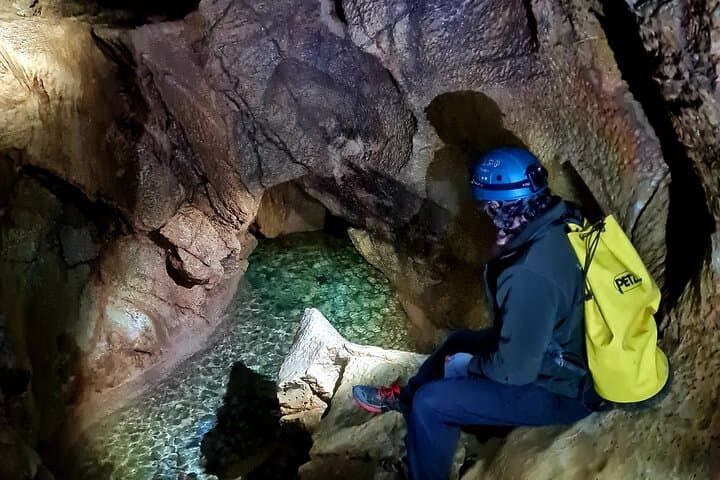
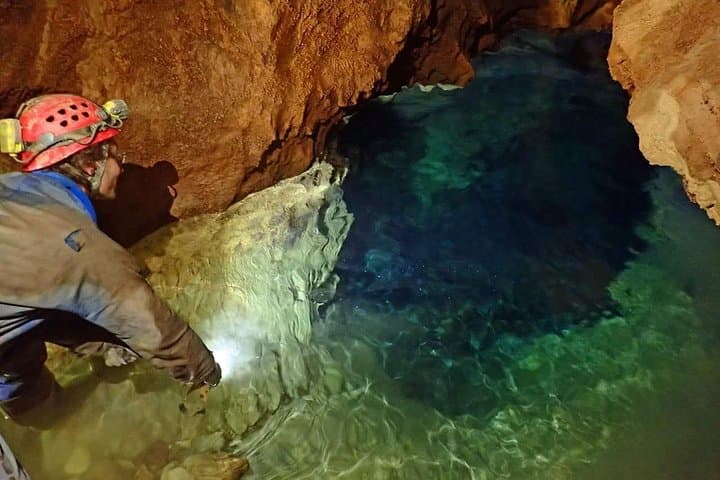
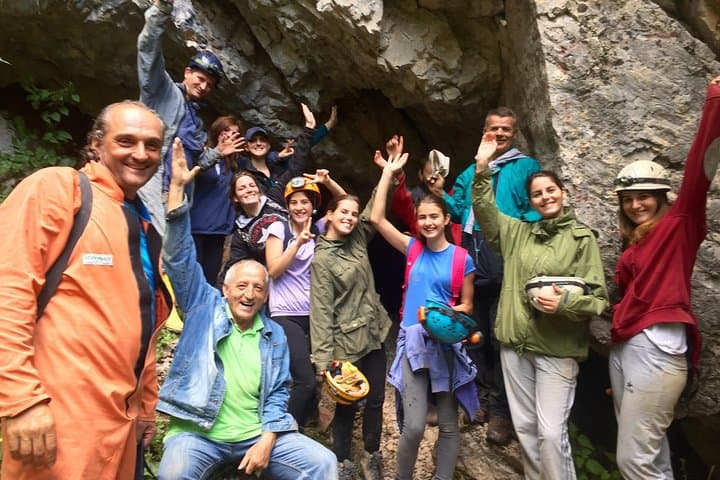
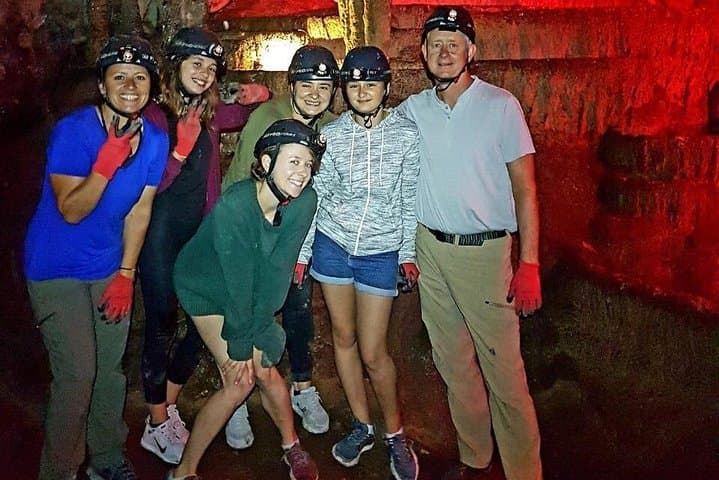
You step off the minivan where the canyon tightens and the limestone cliffs press close, a cool breath coming from the cave mouth that dares you to follow. The air smells of damp stone and earth; your headlamp cuts a cone into the dark as water murmurs below. This is the Sleeping Beauty cave, reached by a short trek through Rugova Canyon’s stony shoulders and shepherd paths.
You step off the minivan where the canyon tightens and the limestone cliffs press close, a cool breath coming from the cave mouth that dares you to follow. The air smells of damp stone and earth; your headlamp cuts a cone into the dark as water murmurs below. This is the Sleeping Beauty cave, reached by a short trek through Rugova Canyon’s stony shoulders and shepherd paths.
Geology here is obvious: karst limestone carved by millennia of water, with chambers, dripstone formations and an underground lake. Archaeological finds in the region date to the Paleolithic and Neolithic, and the cave has long been part of local rural life—pastoral communities and Ottoman-era routes used the canyon corridors for transit. In spring and autumn migrating raptors use the gorge; inside, bats hang like punctuation marks.
The guided route is straightforward: an easy-level two-hour trek to the lake with no tight squeezes, suitable for children from about seven and up. Guides provide helmets, headlights and gloves; transport from Peja is typically included. Expect uneven, wet floors, low ceilings in places, and pockets of slippery calcite.
Practical tips: wear sturdy, closed-toe shoes with good grip, bring a waterproof layer and a spare headlamp or extra batteries, and keep voices low near bat roosts. Aim for morning slots to avoid crowds and to catch the warm light on the canyon walls. This is a hands-on cave visit that rewards curiosity—slow down, watch your footing, and let the cave reveal its quiet history.