THE ADVENTURE COLLECTIVE® · Independent discovery and booking for outdoor travel

Ride a first-class sleeper train, board a luxury Nile cruise and move through 4,500 years of history — from Giza’s pyramids to Luxor’s Valley of the Kings. Practical advice for heat, timing and what to pack for an 8‑day Cairo–Aswan–Luxor loop.
Ride a first-class sleeper train, board a luxury Nile cruise and move through 4,500 years of history — from Giza’s pyramids to Luxor’s Valley of the Kings. Practical advice for heat, timing and what to pack for an 8‑day Cairo–Aswan–Luxor loop.
You step off the sleeper train into Aswan's late-afternoon light and the Nile unfurls like a slow-moving highway, pushing the boat forward as you climb aboard a five-star cruise.
Verified experiences and guided adventures in the surrounding area.
Operated by EZ Tour Egypt · Cairo, Cairo Governorate
You step off the sleeper train into Aswan's late-afternoon light and the Nile unfurls like a slow-moving highway, pushing the boat forward as you climb aboard a five-star cruise.
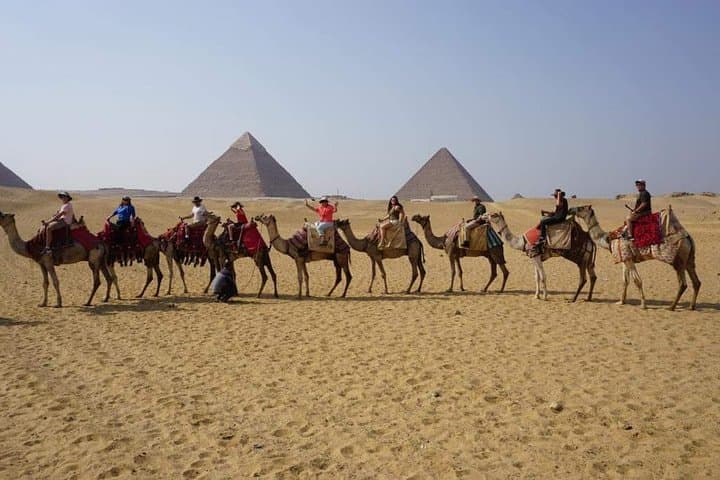
This itinerary stitches modern comfort to pharaonic ruins: three nights on a luxury Nile cruise between Aswan and Luxor, two nights on first-class sleeper trains, and guided days in Cairo. The Giza plateau opens with the Pyramid of Khufu dominating the horizon; at the river, temples — Philae’s relocated island sanctuary, Kom Ombo’s twin-shrine symmetry, Edfu’s horned god Horus — rise from sandstone and alluvium where the floodplain meets limestone escarpments.
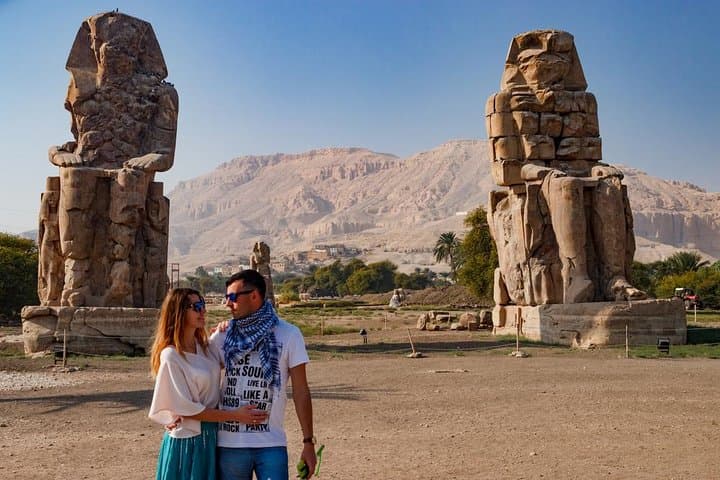
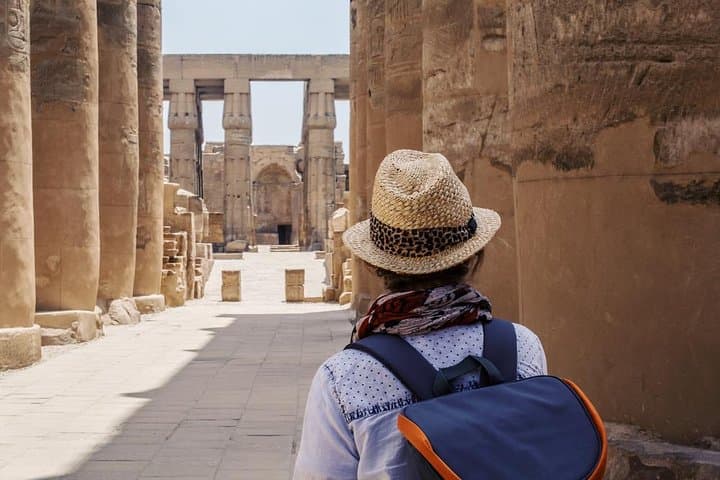
History here is tangible: Karnak grew over 2,000 years, Valley of the Kings houses painted tombs cut into necropolis cliffs, and the Aswan High Dam reshaped both landscape and lives, prompting the rescue of Philae’s temples.
Practicalities: expect long travel days but minimal elevation gain and mostly flat walking on dusty paths and stone steps. Night travel on the sleeper train saves time and provides private berths; the cruise covers roughly 200–300 km of river between Aswan and Luxor. Bring sturdy walking shoes for temple steps, sun protection, and a lightweight daypack for water and camera gear.
Timing matters — mornings and late afternoons are best to avoid heat and crowds at open sites. Carry local currency for small purchases and tips, and budget a few hours at bazaars and on the Nile felucca if you want quieter waterfront views. This trip blends cultural immersion with low-impact exploration — the river’s current daring you to slow down and look closer.
easy.
8 days.
Suitable for travelers with basic mobility who can walk short distances on uneven ground and climb stone steps.
Most nationalities require a visa; travelers can obtain an e‑visa or a visa on arrival depending on country—check entry rules well before travel.
The tour is low on elevation gain and suitable for most fitness levels, but expect walking on uneven stone surfaces and multiple stairs at temples.
Yes—first-class sleeper trains and the five-star cruise provide bedding; bring earplugs if you’re a light sleeper.
The itinerary lists most meals and set admissions included; check your booking confirmation for specific sites and any optional excursions.
This corridor of the Nile was the heartland of pharaonic Egypt; modern projects like the Aswan High Dam led to large-scale relocations of monuments such as Philae Temple.
Tourism pressures and river pollution are ongoing concerns—use refillable water, respect marked areas at sites, and support local guides and community-run initiatives.
EZ Tour Egypt operates guided outdoor trips and adventures with an emphasis on safety, stewardship, and memorable experiences.
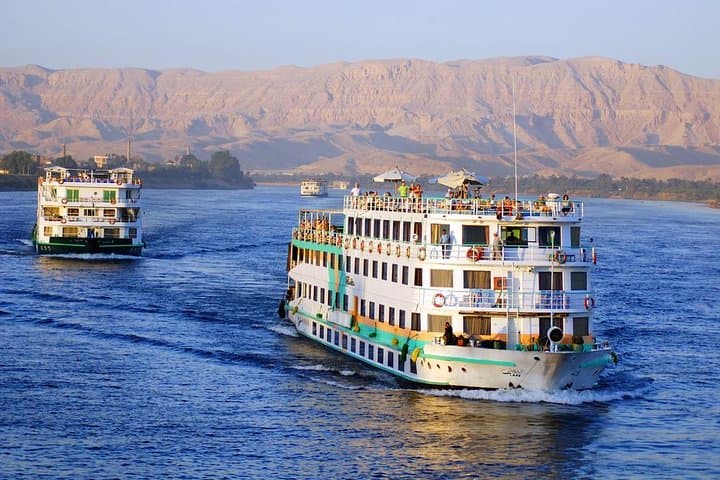
You step off the sleeper train into Aswan's late-afternoon light and the Nile unfurls like a slow-moving highway, pushing the boat forward as you climb aboard a five-star cruise.
You step off the sleeper train into Aswan's late-afternoon light and the Nile unfurls like a slow-moving highway, pushing the boat forward as you climb aboard a five-star cruise.
This itinerary stitches modern comfort to pharaonic ruins: three nights on a luxury Nile cruise between Aswan and Luxor, two nights on first-class sleeper trains, and guided days in Cairo. The Giza plateau opens with the Pyramid of Khufu dominating the horizon; at the river, temples — Philae’s relocated island sanctuary, Kom Ombo’s twin-shrine symmetry, Edfu’s horned god Horus — rise from sandstone and alluvium where the floodplain meets limestone escarpments.
History here is tangible: Karnak grew over 2,000 years, Valley of the Kings houses painted tombs cut into necropolis cliffs, and the Aswan High Dam reshaped both landscape and lives, prompting the rescue of Philae’s temples.
Practicalities: expect long travel days but minimal elevation gain and mostly flat walking on dusty paths and stone steps. Night travel on the sleeper train saves time and provides private berths; the cruise covers roughly 200–300 km of river between Aswan and Luxor. Bring sturdy walking shoes for temple steps, sun protection, and a lightweight daypack for water and camera gear.
Timing matters — mornings and late afternoons are best to avoid heat and crowds at open sites. Carry local currency for small purchases and tips, and budget a few hours at bazaars and on the Nile felucca if you want quieter waterfront views. This trip blends cultural immersion with low-impact exploration — the river’s current daring you to slow down and look closer.