THE ADVENTURE COLLECTIVE® · Independent discovery and booking for outdoor travel

Spend three nights exploring Wadi Araba, Petra and Wadi Rum with Bedouin hosts — including the unique chance to sleep in a cave inside Petra. Expect dune bashing, campfires, guided walks and immersive cultural exchange.
Spend three nights exploring Wadi Araba, Petra and Wadi Rum with Bedouin hosts — including the unique chance to sleep in a cave inside Petra. Expect dune bashing, campfires, guided walks and immersive cultural exchange.
Dawn breaks on sandstone cliffs and the canyon walls keep the morning chill like an old promise. You move through Petra’s Siq with the dust of a thousand footsteps underfoot, then climb toward a cave where a simple mattress waits and the town lights of Wadi Musa blink in the valley below. The desert around you breathes — wind shaping dunes, stone holding heat — and the Bedouin hosts unfold stories over steaming tea and shesha.
Verified experiences and guided adventures in the surrounding area.
Operated by Coulture Trips · Wadi Musa, Ma'an Governorate
Dawn breaks on sandstone cliffs and the canyon walls keep the morning chill like an old promise. You move through Petra’s Siq with the dust of a thousand footsteps underfoot, then climb toward a cave where a simple mattress waits and the town lights of Wadi Musa blink in the valley below. The desert around you breathes — wind shaping dunes, stone holding heat — and the Bedouin hosts unfold stories over steaming tea and shesha.
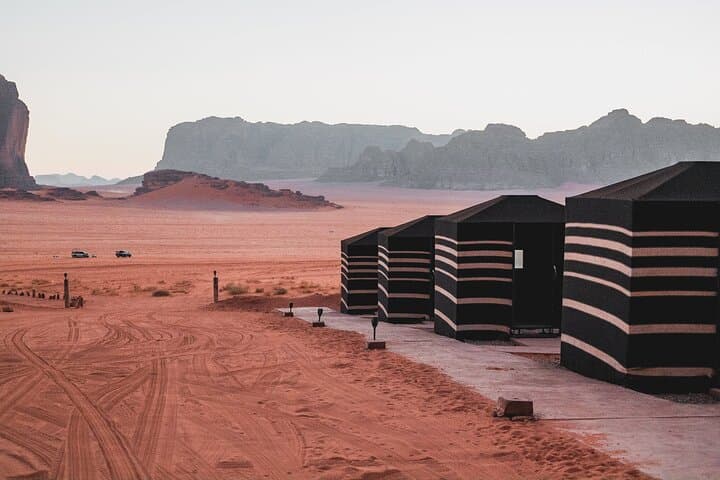
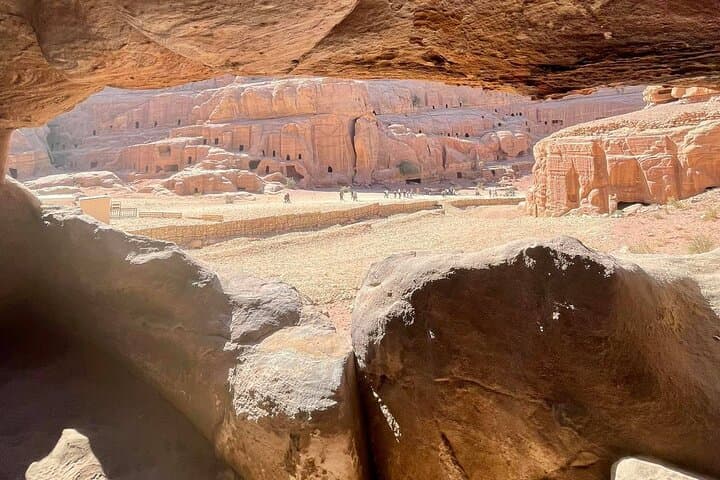
This itinerary threads three distinct landscapes: Wadi Araba’s wind-sculpted dunes, Petra’s Nabatean carved façades and the ochre expanses of Wadi Rum. Petra, carved by the Nabateans around the 1st century BCE, is an archaeological landscape of tombs and water channels carved into sandstone. Wadi Rum’s plateaus and aeolian dunes are younger geologically, a playground of granite and sandstone etched by wind. Local Bedouin culture remains central: expect communal meals, music by the campfire and practical insights on nomadic life.
Practical guidance: plan for temperature swings — hot days and cold desert nights — and allow full days for walking in Petra (uneven stone and steps). Hydrate constantly and carry sun protection; most sites have limited shade. Accommodations vary from simple desert camping to a cave with electricity and Wi‑Fi — ask about bedding and accessibility before you book. Respect archaeological zones, follow local customs (dress modestly near towns) and tip guides for personalized service. Timing: arrive early to avoid crowds in Petra and catch the best light at Little Petra and Wadi Rum for golden-hour photos.
moderate.
3–4 days.
Suitable for travelers in regular physical condition; involves full days of walking, some uneven terrain and short hikes.
Some privately owned caves near Petra are used as tourist accommodations with local permission; confirm with the operator about permits and specific cave facilities before booking.
Expect several hours walking on uneven stone, stairs and short climbs; pace yourself and factor in rest and water stops.
No special permits beyond national park entry to Petra are generally required; check visa rules for Jordan and routine travel vaccinations before travel.
Local hosts typically can adapt meals with advance notice—list dietary restrictions when booking so they can plan meals appropriately.
Petra was the capital of the Nabatean kingdom and an important caravan hub; nearby Wadi Rum has long been Bedouin territory with a history of desert trade and resistance.
Water scarcity and foot traffic threaten fragile sites—stay on marked paths, avoid climbing fragile façades and support local guides who practice low-impact tourism.
Coulture Trips operates guided outdoor trips and adventures with an emphasis on safety, stewardship, and memorable experiences.
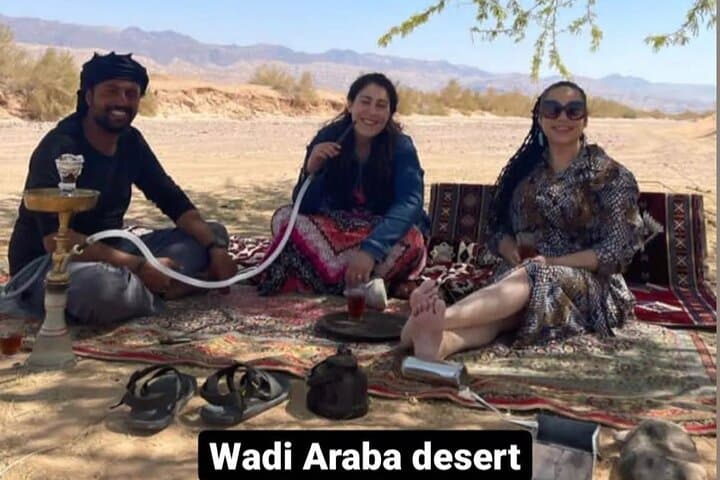
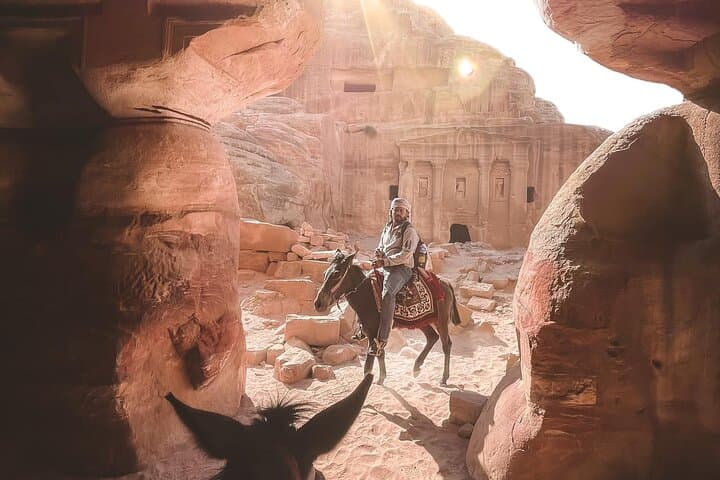
Dawn breaks on sandstone cliffs and the canyon walls keep the morning chill like an old promise. You move through Petra’s Siq with the dust of a thousand footsteps underfoot, then climb toward a cave where a simple mattress waits and the town lights of Wadi Musa blink in the valley below. The desert around you breathes — wind shaping dunes, stone holding heat — and the Bedouin hosts unfold stories over steaming tea and shesha.
Dawn breaks on sandstone cliffs and the canyon walls keep the morning chill like an old promise. You move through Petra’s Siq with the dust of a thousand footsteps underfoot, then climb toward a cave where a simple mattress waits and the town lights of Wadi Musa blink in the valley below. The desert around you breathes — wind shaping dunes, stone holding heat — and the Bedouin hosts unfold stories over steaming tea and shesha.
This itinerary threads three distinct landscapes: Wadi Araba’s wind-sculpted dunes, Petra’s Nabatean carved façades and the ochre expanses of Wadi Rum. Petra, carved by the Nabateans around the 1st century BCE, is an archaeological landscape of tombs and water channels carved into sandstone. Wadi Rum’s plateaus and aeolian dunes are younger geologically, a playground of granite and sandstone etched by wind. Local Bedouin culture remains central: expect communal meals, music by the campfire and practical insights on nomadic life.
Practical guidance: plan for temperature swings — hot days and cold desert nights — and allow full days for walking in Petra (uneven stone and steps). Hydrate constantly and carry sun protection; most sites have limited shade. Accommodations vary from simple desert camping to a cave with electricity and Wi‑Fi — ask about bedding and accessibility before you book. Respect archaeological zones, follow local customs (dress modestly near towns) and tip guides for personalized service. Timing: arrive early to avoid crowds in Petra and catch the best light at Little Petra and Wadi Rum for golden-hour photos.