THE ADVENTURE COLLECTIVE® · Independent discovery and booking for outdoor travel

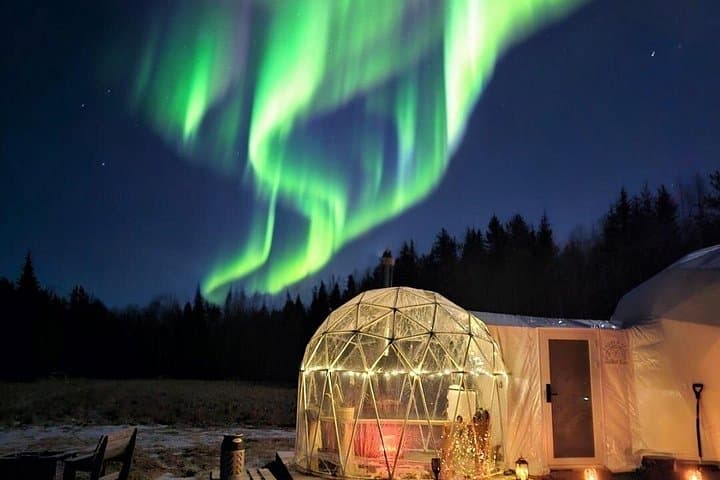
Spend an overnight in a heated glass igloo on the tundra and watch the Aurora Borealis from your bed. This Swedish Lapland stay combines basic comforts with direct access to dark Arctic skies and nearby Nordic activities.
Spend an overnight in a heated glass igloo on the tundra and watch the Aurora Borealis from your bed. This Swedish Lapland stay combines basic comforts with direct access to dark Arctic skies and nearby Nordic activities.
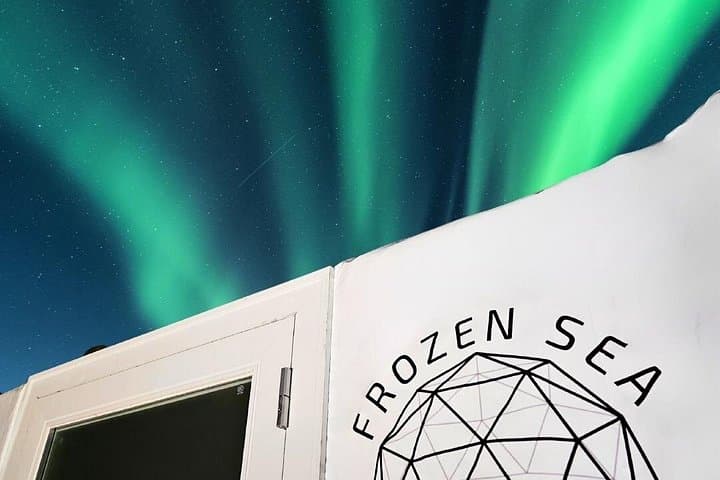
You slide under warm blankets and the room cools to a hush; above, the sky moves. In a glass igloo on the broad tundra of Swedish Lapland the ceiling becomes a live cinema where green ribbons and pulses play out across true Arctic dark.
Verified experiences and guided adventures in the surrounding area.
Operated by Frozen sea aurora igloo · Kiruna, Norrbotten
You slide under warm blankets and the room cools to a hush; above, the sky moves. In a glass igloo on the broad tundra of Swedish Lapland the ceiling becomes a live cinema where green ribbons and pulses play out across true Arctic dark.
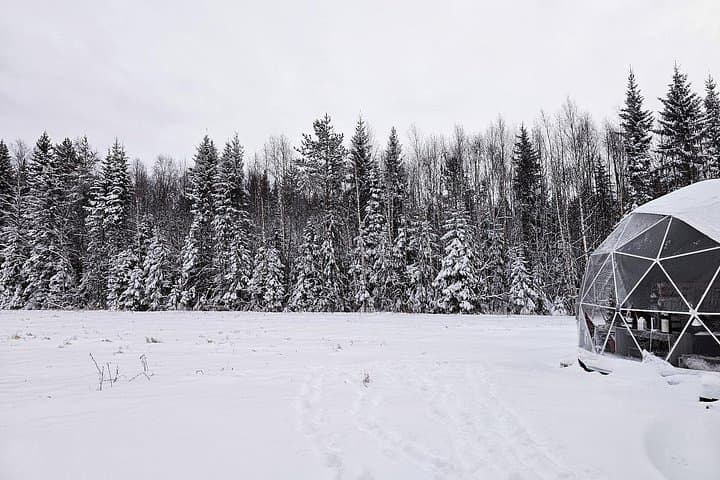
This part of northern Sweden sits on the ancient Scandinavian Shield — rounded fells carved by glaciers, peat bogs and rivers that freeze into clean, reflective planes. The region is also Sámi country, with a living culture of reindeer herding and seasonal rhythms that shaped local travel and winter crafts for generations. Nearby mining and the modern settlements of Kiruna have added a utilitarian layer to the landscape, but the night sky remains the principal attraction.
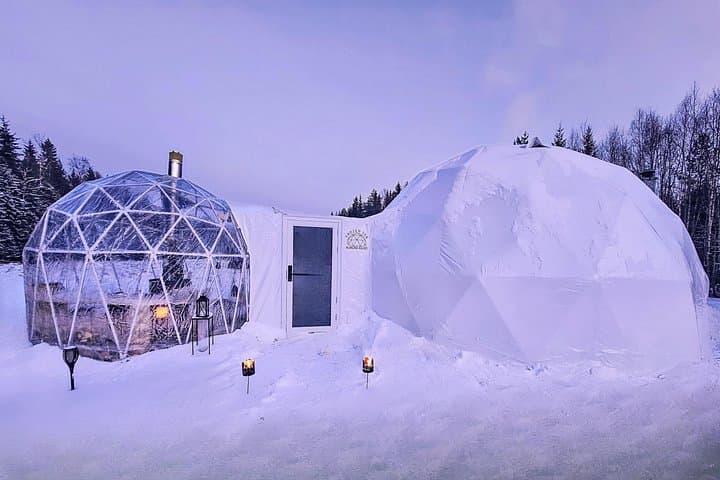
Expect a compact, heated cabin with full-length tempered glass for skyward viewing, basic amenities (linens, towels, snacks and drinks included) and options for Nordic activities like snowshoeing or short guided outings. Nights are best from September through April when long hours of darkness and typically low light pollution raise aurora odds; summer’s midnight sun removes aurora viewing altogether.
Practicalities: book well in advance for clear-sky windows, pack technical cold-weather layers (insulated parka, warm base layers, wool socks) and a camera with spare batteries — cold drains power fast. Transport is usually by road from Kiruna; the stay is suitable for most fitness levels and family-friendly, but check accessibility details if you have mobility needs. Remember: auroras are a natural phenomenon and sightings can’t be guaranteed, so plan additional activities to round out the trip.
easy.
24 hours (overnight).
Minimal fitness required; accessible to most travelers who can get in/out of low-profile lodging
No—auroras are a natural phenomenon and sightings depend on solar activity and clear, dark skies; peak months are September–April.
Most stays include heated interior, bed linens, towels, snacks and drinks; specifics vary by operator so confirm when booking.
Most guests travel by road from Kiruna by car or arranged transfer; travel times vary by exact property location—confirm pickup options with the operator.
The product is described as suitable for all fitness levels and stroller-accessible; service animals are typically allowed, but verify mobility access for specific igloos.
The region combines Sámi cultural traditions of reindeer herding with modern influences from mining towns like Kiruna; both shape local life and seasonal work patterns.
The Arctic environment is fragile—limit light pollution, pack out waste, minimize snowmobile disturbance and follow guidance to protect tundra vegetation.
Frozen sea aurora igloo operates guided outdoor trips and adventures with an emphasis on safety, stewardship, and memorable experiences.
You slide under warm blankets and the room cools to a hush; above, the sky moves. In a glass igloo on the broad tundra of Swedish Lapland the ceiling becomes a live cinema where green ribbons and pulses play out across true Arctic dark.
You slide under warm blankets and the room cools to a hush; above, the sky moves. In a glass igloo on the broad tundra of Swedish Lapland the ceiling becomes a live cinema where green ribbons and pulses play out across true Arctic dark.
This part of northern Sweden sits on the ancient Scandinavian Shield — rounded fells carved by glaciers, peat bogs and rivers that freeze into clean, reflective planes. The region is also Sámi country, with a living culture of reindeer herding and seasonal rhythms that shaped local travel and winter crafts for generations. Nearby mining and the modern settlements of Kiruna have added a utilitarian layer to the landscape, but the night sky remains the principal attraction.
Expect a compact, heated cabin with full-length tempered glass for skyward viewing, basic amenities (linens, towels, snacks and drinks included) and options for Nordic activities like snowshoeing or short guided outings. Nights are best from September through April when long hours of darkness and typically low light pollution raise aurora odds; summer’s midnight sun removes aurora viewing altogether.
Practicalities: book well in advance for clear-sky windows, pack technical cold-weather layers (insulated parka, warm base layers, wool socks) and a camera with spare batteries — cold drains power fast. Transport is usually by road from Kiruna; the stay is suitable for most fitness levels and family-friendly, but check accessibility details if you have mobility needs. Remember: auroras are a natural phenomenon and sightings can’t be guaranteed, so plan additional activities to round out the trip.