THE ADVENTURE COLLECTIVE® · Independent discovery and booking for outdoor travel

Descend into one of Europe’s largest salt caverns and visit the odd, spirit-steeped Iulia Hasdeu Castle on a full-day tour from Bucharest. Expect cool, vast chambers, accessible cultural history, and a mix of geology and local folklore.
Descend into one of Europe’s largest salt caverns and visit the odd, spirit-steeped Iulia Hasdeu Castle on a full-day tour from Bucharest. Expect cool, vast chambers, accessible cultural history, and a mix of geology and local folklore.
You step down into a cavern where light thins and the air cools to a steady 12°C — the Slănic salt mine opens like a quiet cathedral of stone and crystallized mineral. At 208 meters deep, galleries flare into chambers with bases some 32 meters wide and column heights reaching 55 meters; you can hear your footsteps and, if you listen, the faint echo of generations who carved these rooms by hand.
Verified experiences and guided adventures in the surrounding area.
Operated by ETTA Mundo · Slănic, Prahova County
You step down into a cavern where light thins and the air cools to a steady 12°C — the Slănic salt mine opens like a quiet cathedral of stone and crystallized mineral. At 208 meters deep, galleries flare into chambers with bases some 32 meters wide and column heights reaching 55 meters; you can hear your footsteps and, if you listen, the faint echo of generations who carved these rooms by hand.
Geology here is straightforward and blunt: ancient seas evaporated, leaving layered halite deposits later mined over centuries. Salt has shaped Wallachia’s economy and routes; the mine served industrial needs and now doubles as a leisure and therapeutic space with playgrounds, sports courts and a saline microclimate used historically for respiratory treatment.
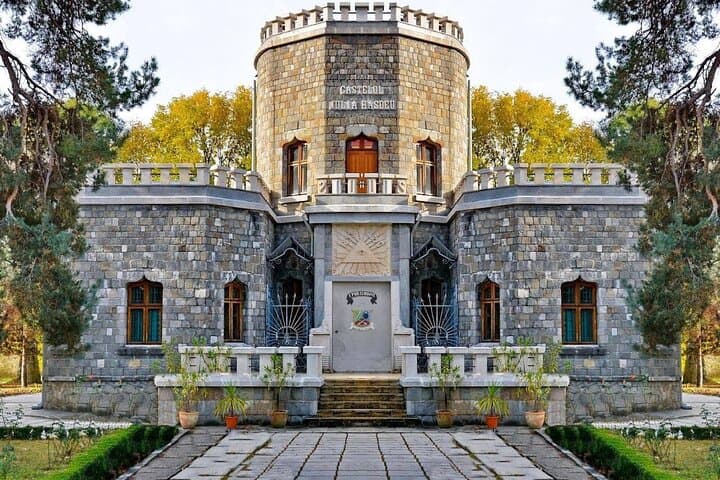
A short drive away stands the Iulia Hasdeu Castle in Câmpina, a compact, eccentric building created by scholar B.P. Hasdeu as a memorial and spiritual experiment after his daughter’s early death. The plan, local lore says, came during spirit-guided séances; the house’s interior and audio guide emphasize that blending of grief, mysticism and late-19th-century bohemian culture.
Practical guidance: allow a full day (7–9 hours) if arriving from Bucharest, wear sturdy shoes and a warm layer for the mine’s constant cool, and budget time for walks between sites. People with cardiovascular issues should consult health advice and the guide; the itinerary includes staircases and uneven surfaces. Bring a charged camera, small cash for snacks, and arrive in the morning to avoid the largest tour groups.
easy.
7–9 hours.
Light activity level; suitable for most people who can handle staircases and short walks
Typical duration is 7–9 hours and private, air-conditioned transport is included from the meeting point or pickup in Bucharest.
Yes — public galleries are well-lit and maintained, but they have uneven floors and stairs; follow the guide and signage.
Photography is generally allowed for personal use, but follow any site-specific restrictions or requests from the guide.
Most ages can participate, but it’s not recommended for visitors with serious cardiovascular issues and young children should be supervised on stairs and edges.
Salt extraction shaped Wallachia’s trade routes and local wealth for centuries; B.P. Hasdeu’s castle reflects a 19th-century mix of scholarship and spiritualism after his daughter Iulia’s death.
Sites balance tourism with preservation — stay on marked paths, avoid touching fragile salt formations, and follow site rules to reduce wear and litter.
ETTA Mundo operates guided outdoor trips and adventures with an emphasis on safety, stewardship, and memorable experiences.
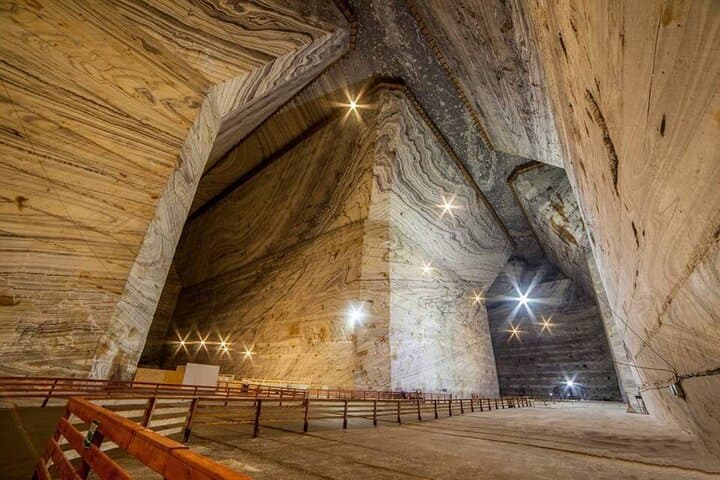
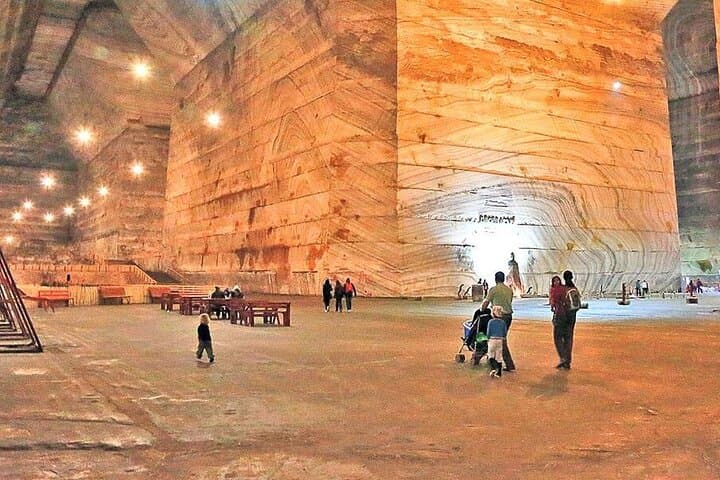
You step down into a cavern where light thins and the air cools to a steady 12°C — the Slănic salt mine opens like a quiet cathedral of stone and crystallized mineral. At 208 meters deep, galleries flare into chambers with bases some 32 meters wide and column heights reaching 55 meters; you can hear your footsteps and, if you listen, the faint echo of generations who carved these rooms by hand.
You step down into a cavern where light thins and the air cools to a steady 12°C — the Slănic salt mine opens like a quiet cathedral of stone and crystallized mineral. At 208 meters deep, galleries flare into chambers with bases some 32 meters wide and column heights reaching 55 meters; you can hear your footsteps and, if you listen, the faint echo of generations who carved these rooms by hand.
Geology here is straightforward and blunt: ancient seas evaporated, leaving layered halite deposits later mined over centuries. Salt has shaped Wallachia’s economy and routes; the mine served industrial needs and now doubles as a leisure and therapeutic space with playgrounds, sports courts and a saline microclimate used historically for respiratory treatment.
A short drive away stands the Iulia Hasdeu Castle in Câmpina, a compact, eccentric building created by scholar B.P. Hasdeu as a memorial and spiritual experiment after his daughter’s early death. The plan, local lore says, came during spirit-guided séances; the house’s interior and audio guide emphasize that blending of grief, mysticism and late-19th-century bohemian culture.
Practical guidance: allow a full day (7–9 hours) if arriving from Bucharest, wear sturdy shoes and a warm layer for the mine’s constant cool, and budget time for walks between sites. People with cardiovascular issues should consult health advice and the guide; the itinerary includes staircases and uneven surfaces. Bring a charged camera, small cash for snacks, and arrive in the morning to avoid the largest tour groups.