THE ADVENTURE COLLECTIVE® · Independent discovery and booking for outdoor travel

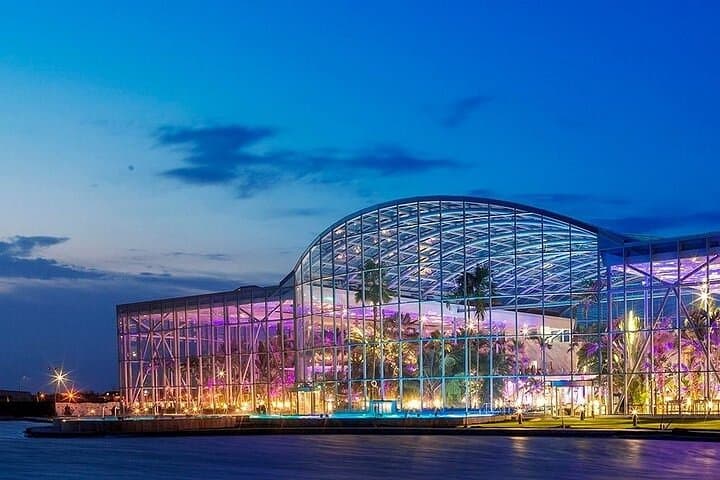
Walk through cavernous halls more than 200 meters below the surface and discover Romania’s largest show salt mine, complete with a planetarium and halotherapy zones. Combine the underground visit with optional stops like Therme Bucharest or Snagov Monastery for a full-day private excursion.
Walk through cavernous halls more than 200 meters below the surface and discover Romania’s largest show salt mine, complete with a planetarium and halotherapy zones. Combine the underground visit with optional stops like Therme Bucharest or Snagov Monastery for a full-day private excursion.
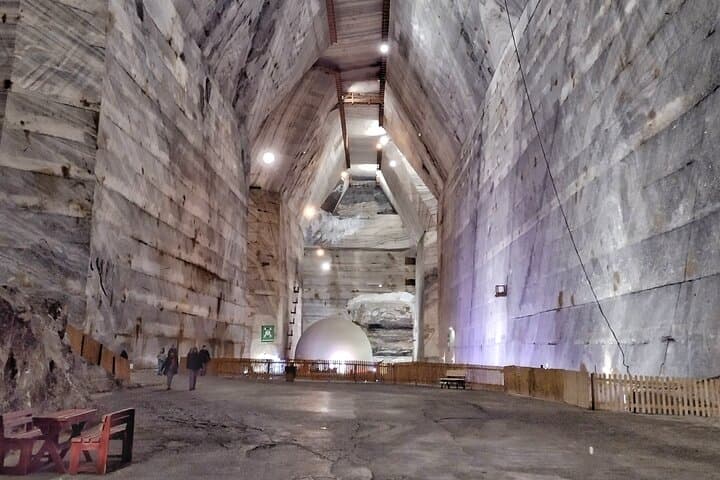
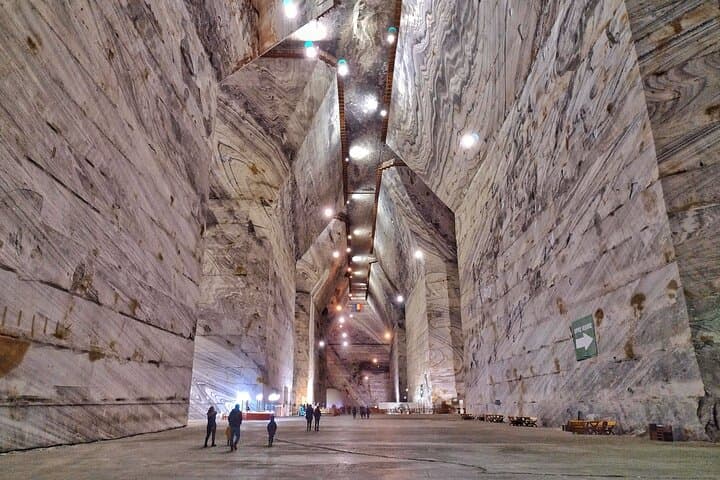
Descend through a concrete ramp and the air cools—mineral light throws pale reflections off carved salt walls as you walk into Slănic Prahova, Europe’s largest salt mine open to visitors. The galleries broaden into caverns pierced by engineered light; playgrounds, ping‑pong tables and a small planetarium feel oddly domestic in an underground room carved more than 200 meters below the surface.
Verified experiences and guided adventures in the surrounding area.
Operated by Crafted Tours Romania · Slănic, Prahova County
Descend through a concrete ramp and the air cools—mineral light throws pale reflections off carved salt walls as you walk into Slănic Prahova, Europe’s largest salt mine open to visitors. The galleries broaden into caverns pierced by engineered light; playgrounds, ping‑pong tables and a small planetarium feel oddly domestic in an underground room carved more than 200 meters below the surface.
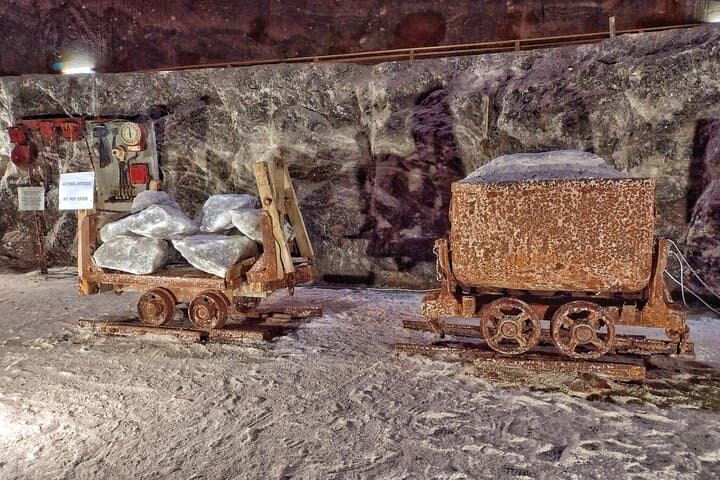
The mine’s story is practical: centuries of salt extraction reshaped local economy and geology, leaving vast chambers supported by deliberate pillars. The rock is halite—pure sodium chloride—whose crystalline faces refract light and create the constant microclimate that draws visitors seeking respiratory relief.
Culturally the site is both industrial relic and community space: families picnic in salt-lit halls, medical groups schedule halotherapy sessions, and local guides share stories about miners’ techniques and regional folklore.
For planning, expect a 1.5 km ride along underground galleries and roughly two hours of free exploration included in most tours; the full private trip often runs 6–10 hours when combined with stops like Therme Bucharest or Snagov Monastery. Wear comfortable, closed-toe shoes and layers—the underground temperature is steady and cool year-round. Bring any required ID for children and, if you add Therme, swimsuits and flip‑flops.
Accessibility is mixed: the descent involves steps and long flat passages; mobility assistance varies by operator. Arrive with bottled water, a light jacket, and patience for crowds on peak days. The reward is unexpected: an engineered subterranean world where geology, health tourism, and local life intersect. Bring a camera, too.
easy.
6–10 hours.
Suitable for most fitness levels; involves walking on level surfaces and descending stairs.
Most tours include about two hours of free time underground and a 1.5 km engineered drive through galleries.
Yes—families visit frequently, but children must carry ID for age checks and some spa areas restrict under-14s.
Access varies by operator; the site includes steps and long passageways—contact the provider about assistance and vehicle transfers.
Only if you choose the Therme Spa extension—bring swimwear, flip‑flops and a towel, which are also rentable on site.
Salt extraction has shaped Slănic since medieval times; large engineered chambers remain from 19th–20th century mining techniques.
Visitor management balances tourism with preservation—stay on designated paths, avoid touching salt formations, and follow guide instructions to limit impact.
Crafted Tours Romania operates guided outdoor trips and adventures with an emphasis on safety, stewardship, and memorable experiences.
Descend through a concrete ramp and the air cools—mineral light throws pale reflections off carved salt walls as you walk into Slănic Prahova, Europe’s largest salt mine open to visitors. The galleries broaden into caverns pierced by engineered light; playgrounds, ping‑pong tables and a small planetarium feel oddly domestic in an underground room carved more than 200 meters below the surface.
Descend through a concrete ramp and the air cools—mineral light throws pale reflections off carved salt walls as you walk into Slănic Prahova, Europe’s largest salt mine open to visitors. The galleries broaden into caverns pierced by engineered light; playgrounds, ping‑pong tables and a small planetarium feel oddly domestic in an underground room carved more than 200 meters below the surface.
The mine’s story is practical: centuries of salt extraction reshaped local economy and geology, leaving vast chambers supported by deliberate pillars. The rock is halite—pure sodium chloride—whose crystalline faces refract light and create the constant microclimate that draws visitors seeking respiratory relief.
Culturally the site is both industrial relic and community space: families picnic in salt-lit halls, medical groups schedule halotherapy sessions, and local guides share stories about miners’ techniques and regional folklore.
For planning, expect a 1.5 km ride along underground galleries and roughly two hours of free exploration included in most tours; the full private trip often runs 6–10 hours when combined with stops like Therme Bucharest or Snagov Monastery. Wear comfortable, closed-toe shoes and layers—the underground temperature is steady and cool year-round. Bring any required ID for children and, if you add Therme, swimsuits and flip‑flops.
Accessibility is mixed: the descent involves steps and long flat passages; mobility assistance varies by operator. Arrive with bottled water, a light jacket, and patience for crowds on peak days. The reward is unexpected: an engineered subterranean world where geology, health tourism, and local life intersect. Bring a camera, too.