THE ADVENTURE COLLECTIVE® · Independent discovery and booking for outdoor travel

See Dubai’s Burj Khalifa, Palm Jumeirah and coastal skyline from a privileged aerial vantage. This short helicopter flight delivers panoramic views, instant photo ops, and a clear sense of the city’s scale and engineering.
See Dubai’s Burj Khalifa, Palm Jumeirah and coastal skyline from a privileged aerial vantage. This short helicopter flight delivers panoramic views, instant photo ops, and a clear sense of the city’s scale and engineering.
You lift off, the city shrinking into a grid of glass and light. Below, the Burj Khalifa pierces the sky like a needle through fabric; beyond it, Palm Jumeirah spreads its fronds into the gulf, a deliberate, human coastline. The chopper banks and the city unfurls—downtown’s geometry, the sail of Burj Al Arab, and the glossy arc of artificial islands set against a raw desert horizon.
Verified experiences and guided adventures in the surrounding area.
Operated by Tripline Tourism · Dubai, Dubai
You lift off, the city shrinking into a grid of glass and light. Below, the Burj Khalifa pierces the sky like a needle through fabric; beyond it, Palm Jumeirah spreads its fronds into the gulf, a deliberate, human coastline. The chopper banks and the city unfurls—downtown’s geometry, the sail of Burj Al Arab, and the glossy arc of artificial islands set against a raw desert horizon.
Dubai’s skyline is recent history made monumental: oil wealth, rapid urban planning, and ambitious land reclamation created the Palm and the World Islands. Geology here is simple—flat coastal plain and offshore sandbanks reshaped by dredging—while culture is layered: traditional souks and dhow harbors sit a short distance from neon-lit towers and luxury resorts.
From the air you see contrasts that ground tours miss: the scale of reclamation, the pattern of waterways in old Dubai, and how the desert dunes give way to engineered beachfronts. Guides point out landmarks and flight corridors; pilots maintain steady, low-altitude passes designed for photo-friendly views while respecting heliport and airspace rules.
Practicalities: flights run 12–30 minutes, require a passport for check-in, and accommodate most fitness levels—this is sightseeing, not exertion. Bring a small camera, sunglasses, and ear protection; dress light for security checks. Expect short queues and tight timing: boarding is precise. Weather can affect visibility—haze and high winds reduce the spectacle.
This is a concise, high-impact way to see Dubai—fast, photographic, and framed from a perspective the city built itself to be seen from.
easy.
12–30 minutes.
Suitable for all fitness levels; minimal mobility required for boarding and deboarding
Children aged 2 and older can fly; infants under 2 are typically not permitted as per operator policy.
Flights may be rescheduled for safety, but the operator’s policy is strict—confirm conditions and refund rules at booking.
Yes—passengers are encouraged to take photos and video; secure devices with straps to prevent dropping.
Operators collect passenger weight for load planning; pregnant women are restricted after 32 weeks—disclose health conditions when booking.
Dubai’s modern skyline grew rapidly from the late 20th century, with large-scale land reclamation projects like Palm Jumeirah reshaping the coastline.
Aerial tours are low-impact per passenger but contribute to noise and carbon emissions; choose operators that follow local noise corridors and limit repeat low passes.
Tripline Tourism operates guided outdoor trips and adventures with an emphasis on safety, stewardship, and memorable experiences.
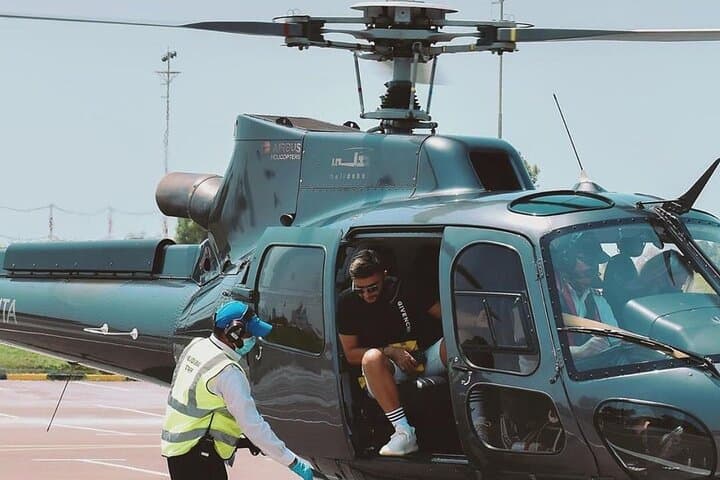
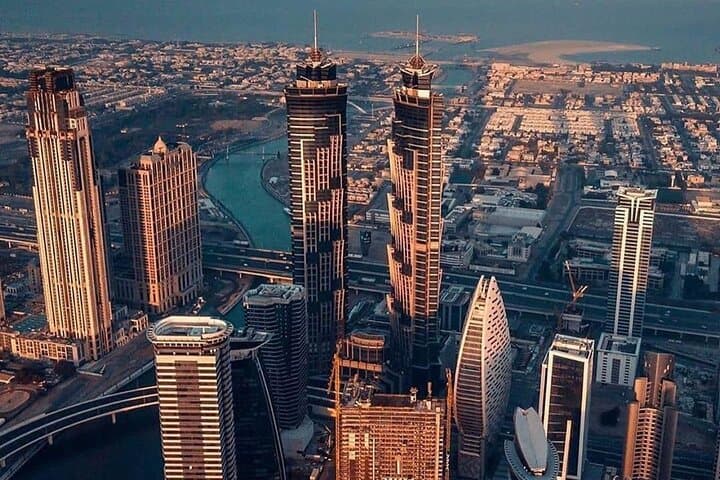
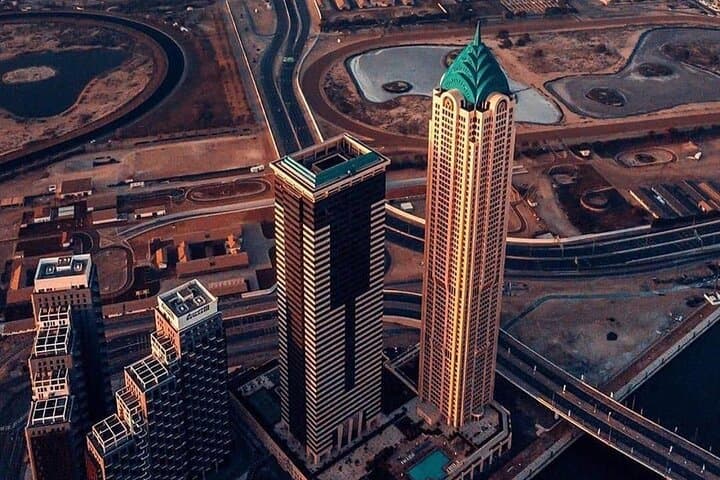
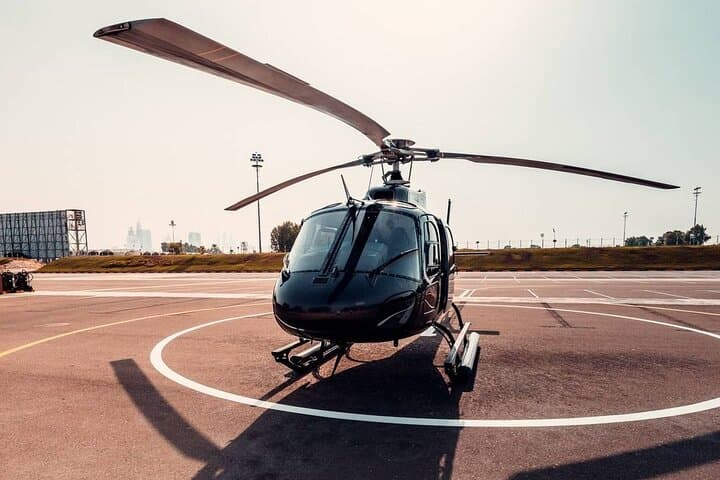
You lift off, the city shrinking into a grid of glass and light. Below, the Burj Khalifa pierces the sky like a needle through fabric; beyond it, Palm Jumeirah spreads its fronds into the gulf, a deliberate, human coastline. The chopper banks and the city unfurls—downtown’s geometry, the sail of Burj Al Arab, and the glossy arc of artificial islands set against a raw desert horizon.
You lift off, the city shrinking into a grid of glass and light. Below, the Burj Khalifa pierces the sky like a needle through fabric; beyond it, Palm Jumeirah spreads its fronds into the gulf, a deliberate, human coastline. The chopper banks and the city unfurls—downtown’s geometry, the sail of Burj Al Arab, and the glossy arc of artificial islands set against a raw desert horizon.
Dubai’s skyline is recent history made monumental: oil wealth, rapid urban planning, and ambitious land reclamation created the Palm and the World Islands. Geology here is simple—flat coastal plain and offshore sandbanks reshaped by dredging—while culture is layered: traditional souks and dhow harbors sit a short distance from neon-lit towers and luxury resorts.
From the air you see contrasts that ground tours miss: the scale of reclamation, the pattern of waterways in old Dubai, and how the desert dunes give way to engineered beachfronts. Guides point out landmarks and flight corridors; pilots maintain steady, low-altitude passes designed for photo-friendly views while respecting heliport and airspace rules.
Practicalities: flights run 12–30 minutes, require a passport for check-in, and accommodate most fitness levels—this is sightseeing, not exertion. Bring a small camera, sunglasses, and ear protection; dress light for security checks. Expect short queues and tight timing: boarding is precise. Weather can affect visibility—haze and high winds reduce the spectacle.
This is a concise, high-impact way to see Dubai—fast, photographic, and framed from a perspective the city built itself to be seen from.