THE ADVENTURE COLLECTIVE® · Independent discovery and booking for outdoor travel

Leap from 13,000 feet over the Catalan coast with private transport from Barcelona. This tandem skydive pairs a 60-second freefall with guided logistics and ocean-to-mountains views.
Leap from 13,000 feet over the Catalan coast with private transport from Barcelona. This tandem skydive pairs a 60-second freefall with guided logistics and ocean-to-mountains views.
You step from the van at a small airfield as wind and salt from the Mediterranean tease the air. The plane hums, the instructor checks harnesses, and Catalonia’s coastline shrinks below until the sea, cliffs and rice fields stitch together. At 13,000 feet you’ll freefall for roughly 60 seconds at up to 200 km/h, then the canopy unfurls and the coast relaxes into a wide, blue stage as you glide back down.
Verified experiences and guided adventures in the surrounding area.
Operated by Extreme Sports Academy · Empuriabrava, Girona
You step from the van at a small airfield as wind and salt from the Mediterranean tease the air. The plane hums, the instructor checks harnesses, and Catalonia’s coastline shrinks below until the sea, cliffs and rice fields stitch together. At 13,000 feet you’ll freefall for roughly 60 seconds at up to 200 km/h, then the canopy unfurls and the coast relaxes into a wide, blue stage as you glide back down.
This part of Catalonia has long been shaped by the sea and the rivers that fed the Empordà plain—flatlands turned wetlands and, further north, the jagged outcrop of Cap de Creus. Aviation and coastal culture coexist here; small aerodromes grew after World War II to serve recreational pilots and, later, skydivers seeking seaside views. Local instructors combine mountain and maritime familiarity with strict European safety standards, making tandem jumps accessible to first-timers.
Practical guidance: allow 3–5 hours for pickup, briefing, weight/gear checks, the flight and the jump. Arrive with government ID and closed-toe shoes; avoid heavy meals immediately before jumping. Weather governs scheduling—high winds or low clouds will delay or cancel for safety. Weight limits (commonly around 100–220 kg combined) and medical restrictions apply—disclose heart conditions or pregnancy. Consider the video add-on if you want a permanent record; secure sunglasses with a strap for the canopy flight. The crew handles paperwork and gear, but come mentally prepared: the physical demands are modest, the adrenaline is real.
Expect loud engines, quick decisions, and an unforgettable change of perspective over Barcelona’s coast.
moderate.
3–5 hours.
No special fitness needed beyond the ability to climb into a small aircraft and follow instructor directions; suitable for most active adults.
Minimum age is typically 16 with parental consent; tandem weight limits are commonly set around 100 kg (220 lbs) for the jumper—check provider specifics at booking.
Expect about 60 seconds of freefall from 13,000 ft; total time including transport, briefing and flight is usually 3–5 hours.
Tandem skydives pair you with a certified instructor and include a full safety briefing and equipment; disclose medical conditions and follow all staff guidance.
Jumps are weather-dependent—high winds or low clouds can cancel or reschedule for safety; providers typically offer refunds or alternative dates if that occurs.
The Empordà plain and nearby coastal towns developed around maritime trade and rice cultivation; small aerodromes later supported recreational aviation and skydiving in the region.
Respect protected wetlands and minimize noise and litter; operators follow EU safety and environmental guidelines, and visitors are asked to stay on designated paths after landing.
Extreme Sports Academy operates guided outdoor trips and adventures with an emphasis on safety, stewardship, and memorable experiences.
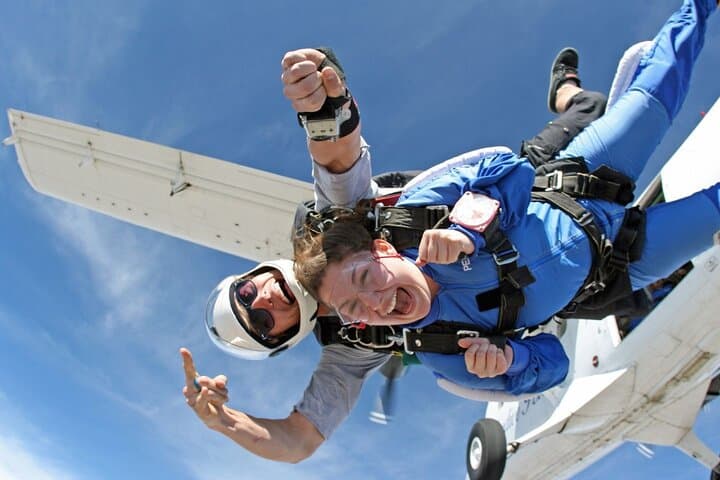


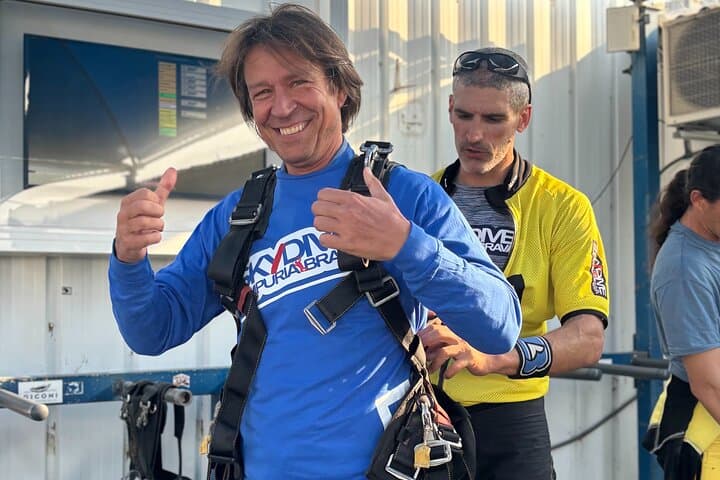
You step from the van at a small airfield as wind and salt from the Mediterranean tease the air. The plane hums, the instructor checks harnesses, and Catalonia’s coastline shrinks below until the sea, cliffs and rice fields stitch together. At 13,000 feet you’ll freefall for roughly 60 seconds at up to 200 km/h, then the canopy unfurls and the coast relaxes into a wide, blue stage as you glide back down.
You step from the van at a small airfield as wind and salt from the Mediterranean tease the air. The plane hums, the instructor checks harnesses, and Catalonia’s coastline shrinks below until the sea, cliffs and rice fields stitch together. At 13,000 feet you’ll freefall for roughly 60 seconds at up to 200 km/h, then the canopy unfurls and the coast relaxes into a wide, blue stage as you glide back down.
This part of Catalonia has long been shaped by the sea and the rivers that fed the Empordà plain—flatlands turned wetlands and, further north, the jagged outcrop of Cap de Creus. Aviation and coastal culture coexist here; small aerodromes grew after World War II to serve recreational pilots and, later, skydivers seeking seaside views. Local instructors combine mountain and maritime familiarity with strict European safety standards, making tandem jumps accessible to first-timers.
Practical guidance: allow 3–5 hours for pickup, briefing, weight/gear checks, the flight and the jump. Arrive with government ID and closed-toe shoes; avoid heavy meals immediately before jumping. Weather governs scheduling—high winds or low clouds will delay or cancel for safety. Weight limits (commonly around 100–220 kg combined) and medical restrictions apply—disclose heart conditions or pregnancy. Consider the video add-on if you want a permanent record; secure sunglasses with a strap for the canopy flight. The crew handles paperwork and gear, but come mentally prepared: the physical demands are modest, the adrenaline is real.
Expect loud engines, quick decisions, and an unforgettable change of perspective over Barcelona’s coast.