THE ADVENTURE COLLECTIVE® · Independent discovery and booking for outdoor travel

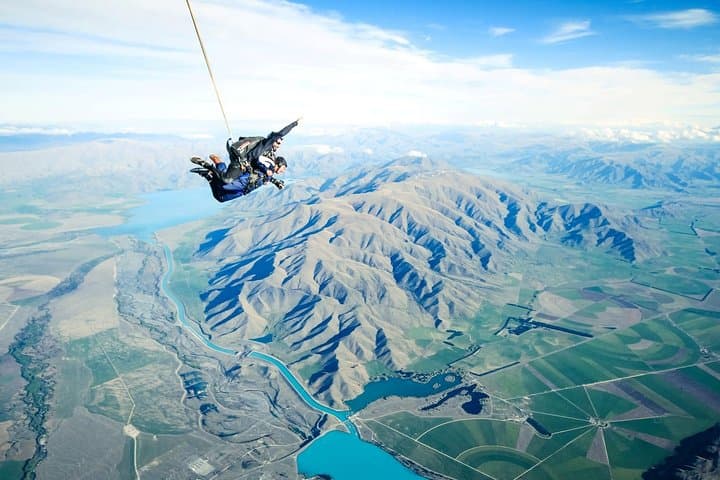
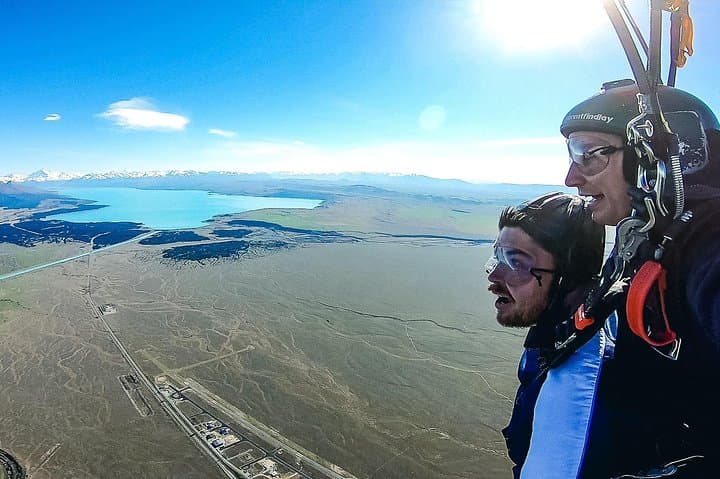
Launch from 13,000ft above Lake Pukaki for 45+ seconds of freefall with Mt. Cook’s glaciers and the turquoise lake below. This tandem skydive combines high-adrenaline flight with unrivaled Southern Alps panoramas.
Launch from 13,000ft above Lake Pukaki for 45+ seconds of freefall with Mt. Cook’s glaciers and the turquoise lake below. This tandem skydive combines high-adrenaline flight with unrivaled Southern Alps panoramas.
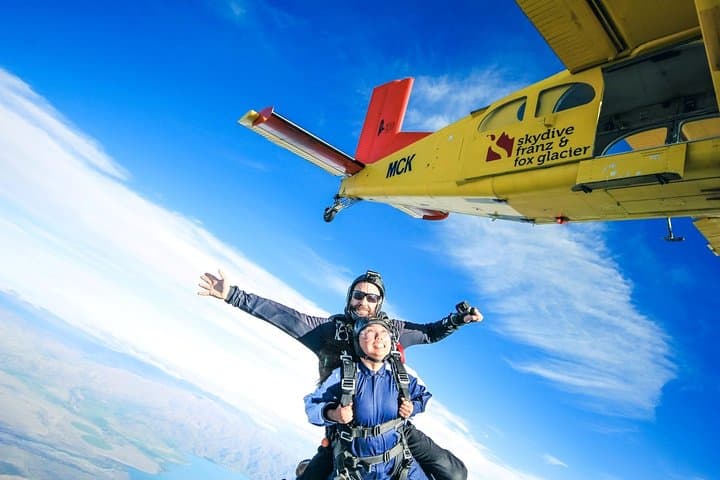
You taxi across a windswept apron, the plane’s prop brushing air that smells faintly of snow and glacial silt. In minutes you climb to 13,000ft above Lake Pukaki; the South Island spreads below—turquoise water, serrated glacier ribs, and Aoraki/Mt Cook’s summit pointing like a clipped tooth against the sky. When the door opens the landscape seems to lean in, daring you.
Verified experiences and guided adventures in the surrounding area.
Operated by Inflite Ski Planes Limited · Twizel, Canterbury
You taxi across a windswept apron, the plane’s prop brushing air that smells faintly of snow and glacial silt. In minutes you climb to 13,000ft above Lake Pukaki; the South Island spreads below—turquoise water, serrated glacier ribs, and Aoraki/Mt Cook’s summit pointing like a clipped tooth against the sky. When the door opens the landscape seems to lean in, daring you.
This dropzone sits on the eastern edge of Aoraki/Mount Cook National Park, where recent glacial carving created the deep blue of Pukaki and the steep faces of the Southern Alps. Maori and European mountaineering histories meet here: Aoraki holds cultural significance to Ngāi Tahu and has been a magnet for climbers since the 19th century. The scenery is geology in motion—rock, ice, and meltwater revealing the island’s tectonic story.
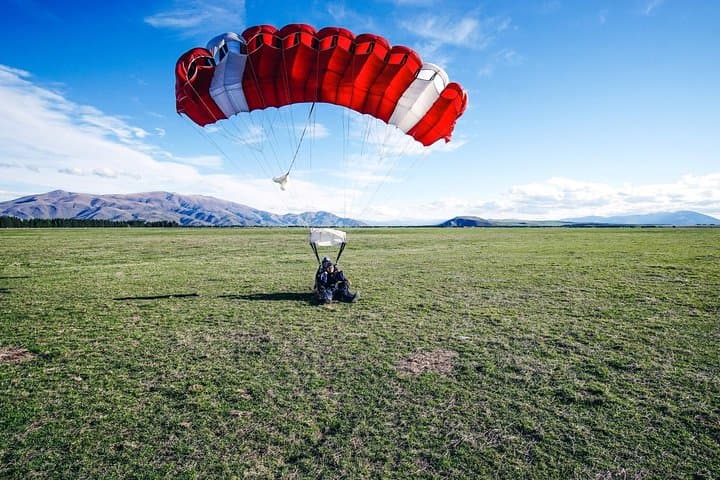
Expect a 2‑hour visit: briefing, gear fitting, ascent, and a 45+ second freefall in a tandem harness with an experienced instructor. Weather is a gatekeeper—wind or low clouds cancel. The jump offers panoramic views not visible from ground trails: crevassed glaciers, braided river mouths, and the long ribbon of State Highway 80.
Practical advice: arrive hydrated and with layered clothing; the ascent is cold even on summer days. Bring a windproof outer, leave loose items behind, and disclose weight and medical conditions at booking. Choose morning slots for crisper air and more stable conditions. For first-timers, the thrill is immediate; for photographers, the perspectives are unforgettable—just make sure your camera options are confirmed with the operator.
easy.
2 hours.
No special fitness required; you should be able to follow instructions and fit into a tandem harness comfortably.
Typical tandem freefall from 13,000ft is 45+ seconds before the instructor deploys the parachute for a scenic canopy ride.
There is a weight limit; people between 100–115kg may be assessed and charged a surcharge (operator varies—confirm at booking).
Flights are canceled for high winds or low cloud; the operator will reschedule when possible—no refunds due to weather per their policy, so check availability and timing carefully.
No—this is a tandem jump with a certified instructor; briefings and harness fitting are provided for first-timers.
Aoraki/Mount Cook is central to Ngāi Tahu traditions and became a focal point for European alpinism in the late 19th century; the region’s glacial landscape tells a history of uplift and ice sculpting.
This area is near national park land—stick to marked access points, minimize noise near wildlife, and support operators who follow low-impact landing and waste practices.
Inflite Ski Planes Limited operates guided outdoor trips and adventures with an emphasis on safety, stewardship, and memorable experiences.
You taxi across a windswept apron, the plane’s prop brushing air that smells faintly of snow and glacial silt. In minutes you climb to 13,000ft above Lake Pukaki; the South Island spreads below—turquoise water, serrated glacier ribs, and Aoraki/Mt Cook’s summit pointing like a clipped tooth against the sky. When the door opens the landscape seems to lean in, daring you.
You taxi across a windswept apron, the plane’s prop brushing air that smells faintly of snow and glacial silt. In minutes you climb to 13,000ft above Lake Pukaki; the South Island spreads below—turquoise water, serrated glacier ribs, and Aoraki/Mt Cook’s summit pointing like a clipped tooth against the sky. When the door opens the landscape seems to lean in, daring you.
This dropzone sits on the eastern edge of Aoraki/Mount Cook National Park, where recent glacial carving created the deep blue of Pukaki and the steep faces of the Southern Alps. Maori and European mountaineering histories meet here: Aoraki holds cultural significance to Ngāi Tahu and has been a magnet for climbers since the 19th century. The scenery is geology in motion—rock, ice, and meltwater revealing the island’s tectonic story.
Expect a 2‑hour visit: briefing, gear fitting, ascent, and a 45+ second freefall in a tandem harness with an experienced instructor. Weather is a gatekeeper—wind or low clouds cancel. The jump offers panoramic views not visible from ground trails: crevassed glaciers, braided river mouths, and the long ribbon of State Highway 80.
Practical advice: arrive hydrated and with layered clothing; the ascent is cold even on summer days. Bring a windproof outer, leave loose items behind, and disclose weight and medical conditions at booking. Choose morning slots for crisper air and more stable conditions. For first-timers, the thrill is immediate; for photographers, the perspectives are unforgettable—just make sure your camera options are confirmed with the operator.