THE ADVENTURE COLLECTIVE® · Independent discovery and booking for outdoor travel

Launch from Pukaki and plummet over Aoraki/Mt Cook with 20+ seconds of tandem freefall from 10,000ft. This cliff-to-lake skydiving experience pairs minimal training with maximized alpine views—book for clear weather windows.
Launch from Pukaki and plummet over Aoraki/Mt Cook with 20+ seconds of tandem freefall from 10,000ft. This cliff-to-lake skydiving experience pairs minimal training with maximized alpine views—book for clear weather windows.
You step onto the small airstrip at Pukaki with the Southern Alps filling the horizon—Aoraki/Mount Cook’s jagged ridge cutting a perfect white line against the sky. The plane hums; below, Lake Pukaki flashes an impossible turquoise and glaciers thread down from the peaks. When the door opens, wind and altitude sharpen everything: for 20-plus seconds you fall, the landscape pulling at you—mountains daring you closer, the lake reflecting your brief streak through the air.
Verified experiences and guided adventures in the surrounding area.
Operated by Inflite Ski Planes Limited · Twizel, Canterbury
You step onto the small airstrip at Pukaki with the Southern Alps filling the horizon—Aoraki/Mount Cook’s jagged ridge cutting a perfect white line against the sky. The plane hums; below, Lake Pukaki flashes an impossible turquoise and glaciers thread down from the peaks. When the door opens, wind and altitude sharpen everything: for 20-plus seconds you fall, the landscape pulling at you—mountains daring you closer, the lake reflecting your brief streak through the air.
This run is as much about geology and place as it is adrenaline. The Southern Alps are young, rapidly uplifted fault-block mountains; the sculpted valleys and outwash plains date to repeated glaciations that fed the Tasman and Hooker glaciers. Local Maori name Aoraki links the mountain to origin stories and cultural significance, while the farming communities around Twizel and Omarama grew with hydroelectric development and tourism.
Practical guidance: expect a 90–120 minute outing from check-in to return. Skydive Mt Cook operates tandem jumps—no technical skydiving skill required—but strict weight/health limits and a short safety briefing are mandatory. Weather controls schedules; the company will cancel in poor conditions and offers full refunds if you cancel 24+ hours prior.
Book midday for clearer views; bring layers (it’s several degrees colder aloft), closed shoes, and government ID. Phones and cameras are handled by staff—photo/video packages are available if you want the rush captured. The combination of minimalist training, world-class alpine scenery, and a managed tandem setup makes this a high-reward, accessibly intense way to see Aoraki from the best seat in the sky.
moderate.
2 hours.
Minimal aerobic fitness required—participants should be mobile and able to climb a short ladder into the aircraft.
Participants must meet the operator’s age and weight requirements—typically a minimum age of 16 with parental consent and maximum weight limits for tandem harness safety; confirm when booking.
Jumps are weather-dependent; the operator will reschedule or refund. Their policy allows full refund for cancellations made 24+ hours beforehand, and they may cancel for unsafe conditions.
Personal devices are generally secured by staff during the jump; operators sell professional photo/video packages filmed by an instructor for reliable footage.
Freefall is typically 20+ seconds from around 10,000ft, with the whole visit—including briefing, gearing up, flight, and debrief—about 90–120 minutes.
Aoraki/Mount Cook is central to Ngāi Tahu stories and European alpine exploration; the region’s lakes and canals were reshaped by 20th-century hydroelectric projects that changed local access and land use.
Operators work within Aoraki/Mount Cook National Park’s regulations; visitors are asked to minimize disturbance by staying on designated areas and following staff directions to protect fragile alpine environments.
Inflite Ski Planes Limited operates guided outdoor trips and adventures with an emphasis on safety, stewardship, and memorable experiences.
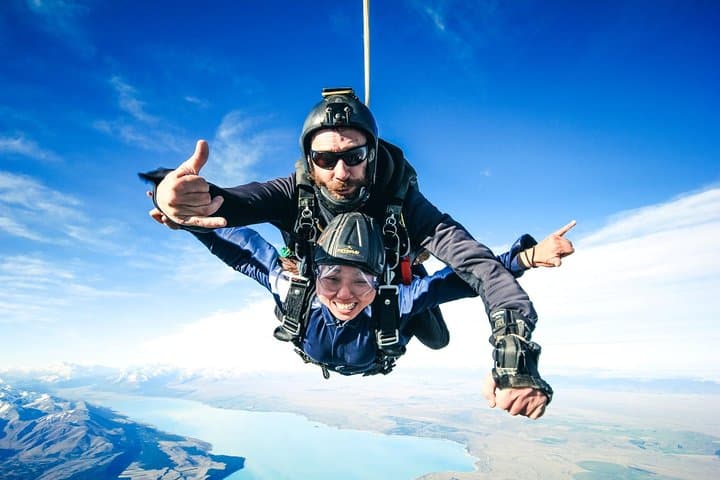
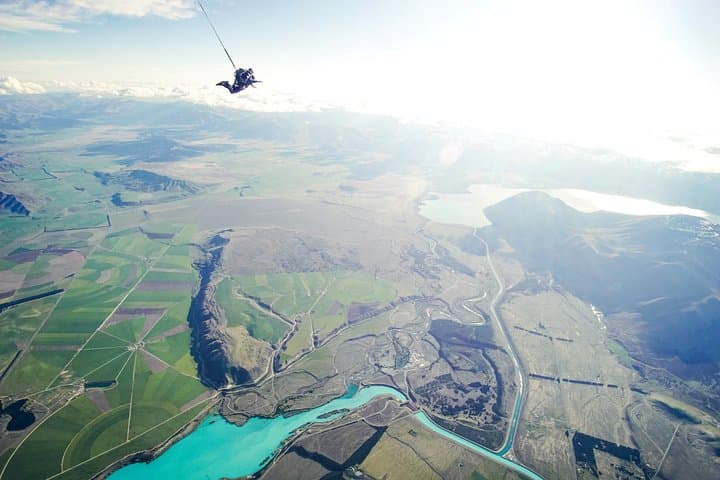
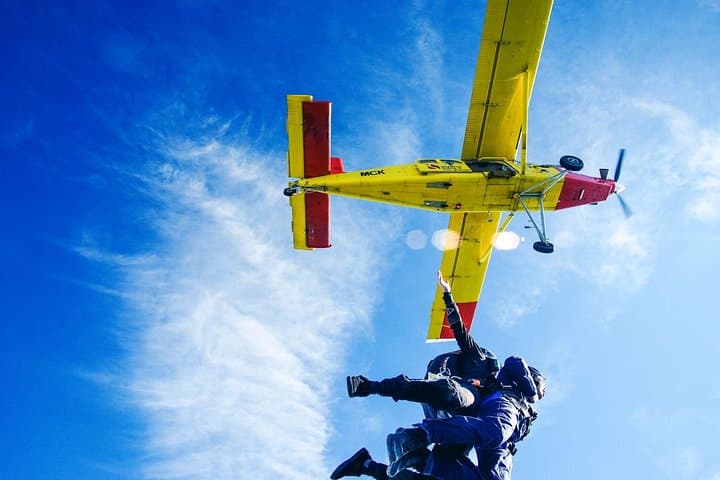
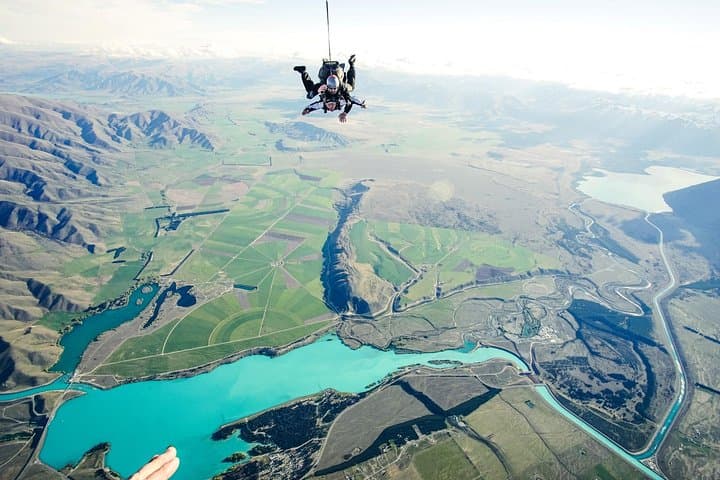
You step onto the small airstrip at Pukaki with the Southern Alps filling the horizon—Aoraki/Mount Cook’s jagged ridge cutting a perfect white line against the sky. The plane hums; below, Lake Pukaki flashes an impossible turquoise and glaciers thread down from the peaks. When the door opens, wind and altitude sharpen everything: for 20-plus seconds you fall, the landscape pulling at you—mountains daring you closer, the lake reflecting your brief streak through the air.
You step onto the small airstrip at Pukaki with the Southern Alps filling the horizon—Aoraki/Mount Cook’s jagged ridge cutting a perfect white line against the sky. The plane hums; below, Lake Pukaki flashes an impossible turquoise and glaciers thread down from the peaks. When the door opens, wind and altitude sharpen everything: for 20-plus seconds you fall, the landscape pulling at you—mountains daring you closer, the lake reflecting your brief streak through the air.
This run is as much about geology and place as it is adrenaline. The Southern Alps are young, rapidly uplifted fault-block mountains; the sculpted valleys and outwash plains date to repeated glaciations that fed the Tasman and Hooker glaciers. Local Maori name Aoraki links the mountain to origin stories and cultural significance, while the farming communities around Twizel and Omarama grew with hydroelectric development and tourism.
Practical guidance: expect a 90–120 minute outing from check-in to return. Skydive Mt Cook operates tandem jumps—no technical skydiving skill required—but strict weight/health limits and a short safety briefing are mandatory. Weather controls schedules; the company will cancel in poor conditions and offers full refunds if you cancel 24+ hours prior.
Book midday for clearer views; bring layers (it’s several degrees colder aloft), closed shoes, and government ID. Phones and cameras are handled by staff—photo/video packages are available if you want the rush captured. The combination of minimalist training, world-class alpine scenery, and a managed tandem setup makes this a high-reward, accessibly intense way to see Aoraki from the best seat in the sky.