THE ADVENTURE COLLECTIVE® · Independent discovery and booking for outdoor travel

Walk the Monteverde Cloud Forest from the forest floor to the canopy on a 2.5 km circuit of trails and hanging bridges. This 1.5–2 hour guided tour highlights biodiversity, engineered low-impact bridges, and approachable wildlife viewing for first-time cloud forest visitors.
Walk the Monteverde Cloud Forest from the forest floor to the canopy on a 2.5 km circuit of trails and hanging bridges. This 1.5–2 hour guided tour highlights biodiversity, engineered low-impact bridges, and approachable wildlife viewing for first-time cloud forest visitors.
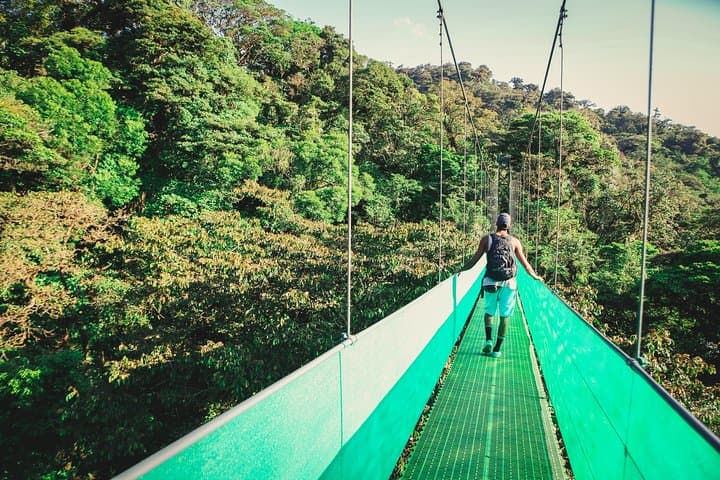
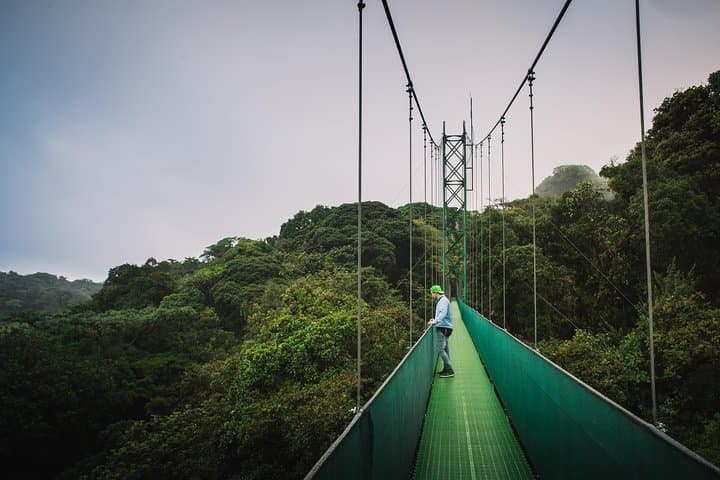
Fog slides through cedar and oak, and the canopy parts like a curtain as you step onto the first suspension bridge. You feel the forest breathe around you — a low, persistent exhale of damp earth and moss — while the bridges string you through levels of the Monteverde Cloud Forest. The 2.5 km (1.5 mi) circuit traces forest floor paths and elevated spans, some reaching 236 m (774 ft) long and climbing as high as 70 m (230 ft).
Verified experiences and guided adventures in the surrounding area.
Operated by Destination Services Costa Rica · Monteverde, Puntarenas
Fog slides through cedar and oak, and the canopy parts like a curtain as you step onto the first suspension bridge. You feel the forest breathe around you — a low, persistent exhale of damp earth and moss — while the bridges string you through levels of the Monteverde Cloud Forest. The 2.5 km (1.5 mi) circuit traces forest floor paths and elevated spans, some reaching 236 m (774 ft) long and climbing as high as 70 m (230 ft).
Geologically, Monteverde sits on volcanic highlands at roughly 1,400–1,600 m elevation; steady trade winds meet mountain slopes here and condense into the cloud layer that feeds this ecosystem. The area’s protection began in the 1970s when local settlers and conservationists set aside forestland; today the walk doubles as a quiet classroom for Costa Rica’s celebrated biodiversity and the sustainable tourism economy around Santa Elena.
Culturally, guides draw on local natural history to read the forest — pointing out epiphytes, bromeliads that cradle frogs, and old-growth stands that host elusive birds. The trail and bridges were designed to minimize impact; particular attention is paid to preserving understory corridors used by mammals and amphibians.
Practical guidance: expect uneven surfaces and several short ascents and descents across 1.5–2 hours. Wear closed, treaded shoes and a lightweight rain shell; mist and sudden showers are common. Bring binoculars and a camera, but follow guide instructions on where to stop for photos to avoid congestion on bridges. The route is family-friendly and accessible in sections, though the operator advises against participation for pregnant travelers and people with serious back or heart conditions. Start early for the best light and wildlife activity.
easy.
1.5–2 hours.
Suitable for basic walking fitness — able to manage short climbs and uneven footing.
The guided circuit lasts about 1.5–2 hours and covers roughly 2.5 km (1.5 miles) across trails and hanging bridges.
Sections and bridges are adapted for accessibility and families, but some uneven terrain and steps exist; contact the operator about specific mobility needs.
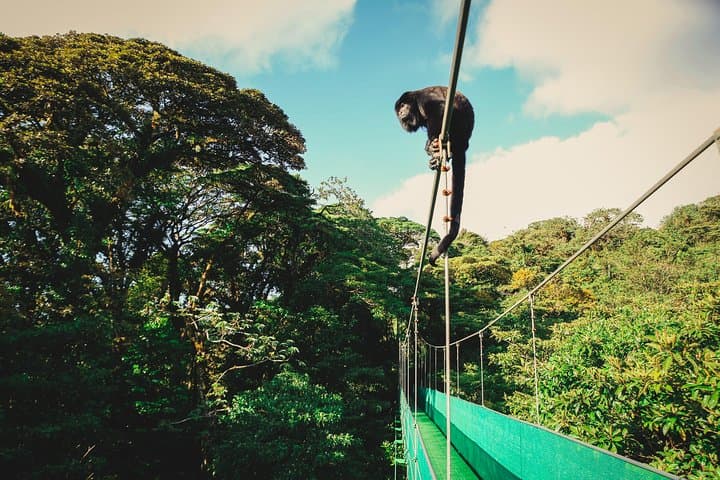
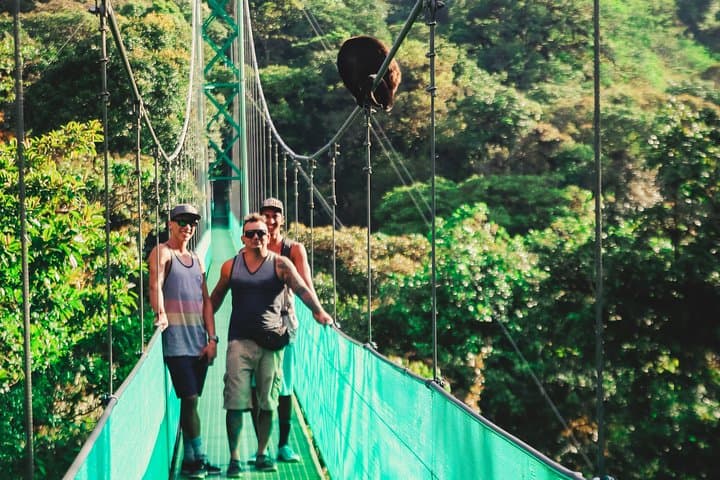
Expect birds (tanagers, toucans, and occasionally quetzals), howler monkeys, and a variety of frogs and insects; sightings aren’t guaranteed but are more likely early in the morning.
Transportation from hotels in Monteverde is listed as included — confirm pickup details at booking and allow time for local transfers.
Local settlers and conservationists in the early 1970s helped protect large swaths of cloud forest, leading to the creation of reserves that underpin today’s eco-tourism.
Trails and bridges are maintained to reduce habitat disturbance; stay on marked paths, avoid feeding wildlife, and follow guide instructions to minimize impact.
Destination Services Costa Rica operates guided outdoor trips and adventures with an emphasis on safety, stewardship, and memorable experiences.
Fog slides through cedar and oak, and the canopy parts like a curtain as you step onto the first suspension bridge. You feel the forest breathe around you — a low, persistent exhale of damp earth and moss — while the bridges string you through levels of the Monteverde Cloud Forest. The 2.5 km (1.5 mi) circuit traces forest floor paths and elevated spans, some reaching 236 m (774 ft) long and climbing as high as 70 m (230 ft).
Fog slides through cedar and oak, and the canopy parts like a curtain as you step onto the first suspension bridge. You feel the forest breathe around you — a low, persistent exhale of damp earth and moss — while the bridges string you through levels of the Monteverde Cloud Forest. The 2.5 km (1.5 mi) circuit traces forest floor paths and elevated spans, some reaching 236 m (774 ft) long and climbing as high as 70 m (230 ft).
Geologically, Monteverde sits on volcanic highlands at roughly 1,400–1,600 m elevation; steady trade winds meet mountain slopes here and condense into the cloud layer that feeds this ecosystem. The area’s protection began in the 1970s when local settlers and conservationists set aside forestland; today the walk doubles as a quiet classroom for Costa Rica’s celebrated biodiversity and the sustainable tourism economy around Santa Elena.
Culturally, guides draw on local natural history to read the forest — pointing out epiphytes, bromeliads that cradle frogs, and old-growth stands that host elusive birds. The trail and bridges were designed to minimize impact; particular attention is paid to preserving understory corridors used by mammals and amphibians.
Practical guidance: expect uneven surfaces and several short ascents and descents across 1.5–2 hours. Wear closed, treaded shoes and a lightweight rain shell; mist and sudden showers are common. Bring binoculars and a camera, but follow guide instructions on where to stop for photos to avoid congestion on bridges. The route is family-friendly and accessible in sections, though the operator advises against participation for pregnant travelers and people with serious back or heart conditions. Start early for the best light and wildlife activity.