THE ADVENTURE COLLECTIVE® · Independent discovery and booking for outdoor travel

Walk the Vardar’s edge and the Old Bazaar with a local historian who highlights Ottoman-era architecture, the Stone Bridge, Mother Teresa’s birthplace and lesser-known city corners. This three-hour route blends cultural context with practical directions for independent exploration.
Walk the Vardar’s edge and the Old Bazaar with a local historian who highlights Ottoman-era architecture, the Stone Bridge, Mother Teresa’s birthplace and lesser-known city corners. This three-hour route blends cultural context with practical directions for independent exploration.
Morning light slides along the Vardar and the Stone Bridge, and the guide threads a group through alleys where Ottoman-era mosques count the hours by minaret shadow.
Verified experiences and guided adventures in the surrounding area.
Operated by Free Skopje City Tours · Skopje, Skopje
Morning light slides along the Vardar and the Stone Bridge, and the guide threads a group through alleys where Ottoman-era mosques count the hours by minaret shadow.
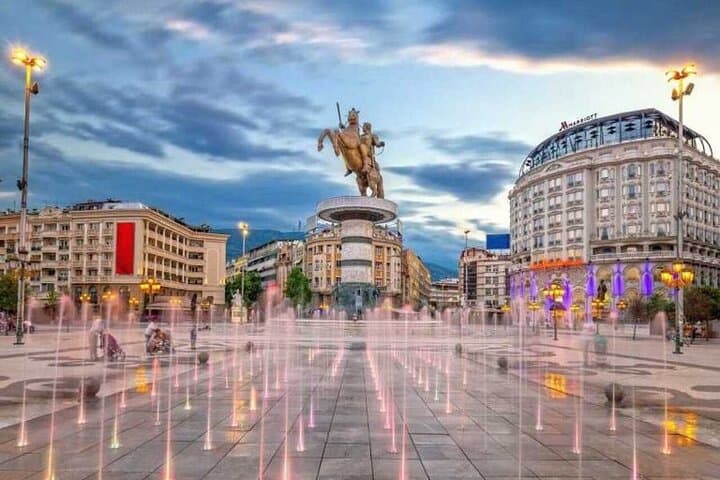
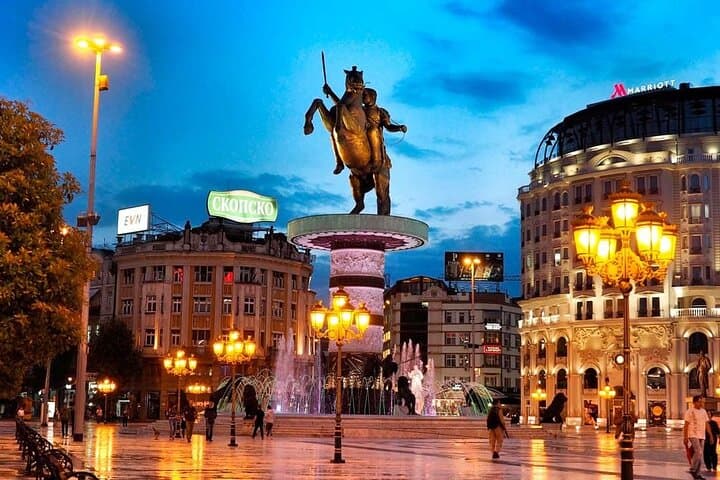
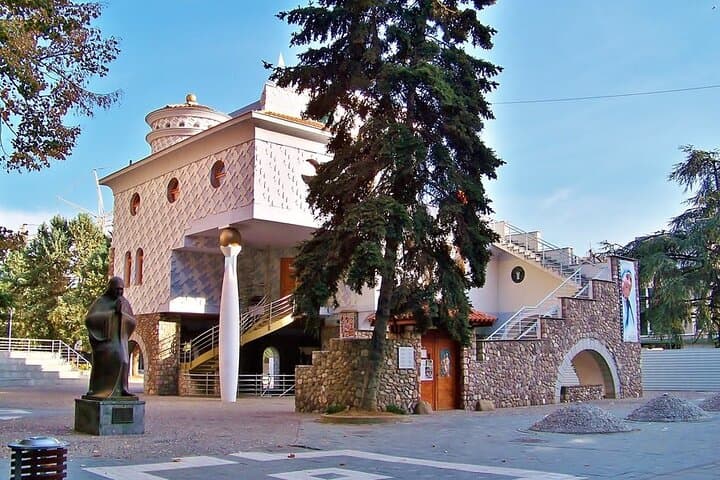
The Skopje walking tour moves at a steady, conversational pace—three hours of streets, squares and museums that map the city's layered past. Visitors stand where Mother Teresa was born, cross the 214‑meter Stone Bridge built under Ottoman rule, and sift through the Old Bazaar’s lanes where merchants still call prices in voices shaped by centuries of trade.
Skopje’s story is geological and human: a river valley cut between the Šar Mountains and the Skopska Crna Gora, repeatedly reshaped by the 1963 earthquake and later restoration projects that blend Ottoman, Byzantine and modern styles. Cultural notes surface naturally—how the bazaar served as a commercial hub since the 12th century, the 15th‑century hans that sheltered caravans, and the city’s multiethnic mix visible in churches, mosques and cafes.
Practically, the route covers mostly paved streets with short flights of stone steps and occasional cobbles; expect roughly 2–3 miles (3–5 km) of easy walking with frequent stops. Bring a refillable water bottle (one is provided), wear supportive shoes for uneven surfaces, and plan for afternoon sun or sudden showers depending on season. Small groups and local insights make this an efficient overview for first‑time visitors, combining historical context with clear directions to continue exploring independently after the tour.
easy.
3 hours.
Suitable for most fitness levels; expect walking on paved and uneven surfaces with frequent stops.
Tours are offered in Turkish and English; confirm language when booking.
Meeting and finish points are central in Skopje—confirm exact pickup location with the guide when booking; public transport options are nearby.
The route includes cobblestones and some steps and is not recommended for those with significant spinal, heart or mobility limitations.
Full refund available if canceled at least 24 hours before the scheduled departure; no refund within 24 hours.
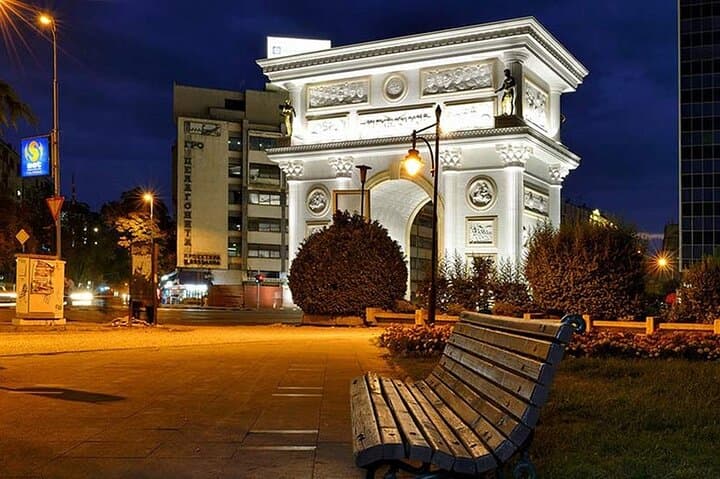
Skopje’s core grew under Ottoman rule and bears visible 15th–19th century architecture; the 1963 earthquake reshaped much of the city and prompted extensive reconstruction.
Respect historic sites by staying on marked paths and supporting local businesses; many restoration projects balance tourism with preserving fragile Ottoman‑era structures.
Free Skopje City Tours operates guided outdoor trips and adventures with an emphasis on safety, stewardship, and memorable experiences.
Morning light slides along the Vardar and the Stone Bridge, and the guide threads a group through alleys where Ottoman-era mosques count the hours by minaret shadow.
Morning light slides along the Vardar and the Stone Bridge, and the guide threads a group through alleys where Ottoman-era mosques count the hours by minaret shadow.
The Skopje walking tour moves at a steady, conversational pace—three hours of streets, squares and museums that map the city's layered past. Visitors stand where Mother Teresa was born, cross the 214‑meter Stone Bridge built under Ottoman rule, and sift through the Old Bazaar’s lanes where merchants still call prices in voices shaped by centuries of trade.
Skopje’s story is geological and human: a river valley cut between the Šar Mountains and the Skopska Crna Gora, repeatedly reshaped by the 1963 earthquake and later restoration projects that blend Ottoman, Byzantine and modern styles. Cultural notes surface naturally—how the bazaar served as a commercial hub since the 12th century, the 15th‑century hans that sheltered caravans, and the city’s multiethnic mix visible in churches, mosques and cafes.
Practically, the route covers mostly paved streets with short flights of stone steps and occasional cobbles; expect roughly 2–3 miles (3–5 km) of easy walking with frequent stops. Bring a refillable water bottle (one is provided), wear supportive shoes for uneven surfaces, and plan for afternoon sun or sudden showers depending on season. Small groups and local insights make this an efficient overview for first‑time visitors, combining historical context with clear directions to continue exploring independently after the tour.