THE ADVENTURE COLLECTIVE® · Independent discovery and booking for outdoor travel

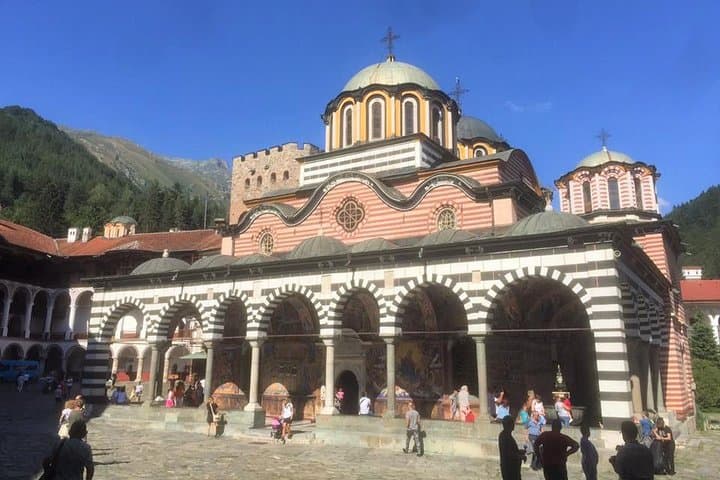
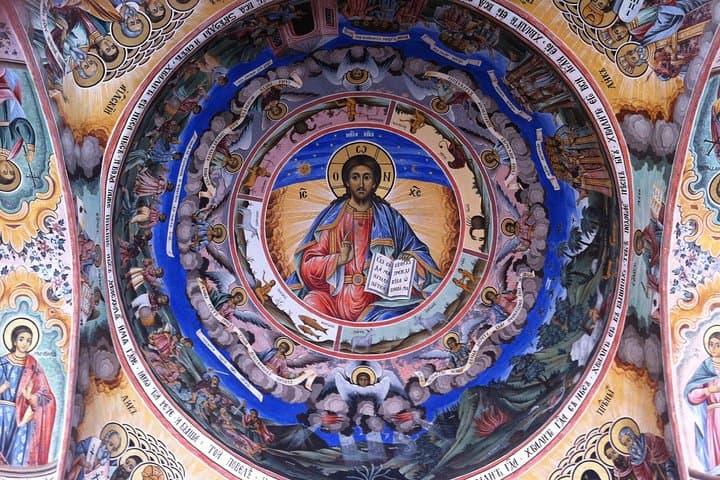
Turn a routine cross-border drive into a compact cultural escape. This private transfer from Skopje to Sofia includes a meaningful stop at Rila Monastery — centuries-old frescoes, mountain air, and roadside landscapes between the capitals.
Turn a routine cross-border drive into a compact cultural escape. This private transfer from Skopje to Sofia includes a meaningful stop at Rila Monastery — centuries-old frescoes, mountain air, and roadside landscapes between the capitals.
You roll out of Skopje before dawn and the road unfurls — lowlands giving way to folded ridgelines, villages that edge the highway like weathered postcards. The van hums; windows frame river-cut valleys and chestnut woods that push cool air toward the glass. Midway the silhouette of Rila’s domed belfry appears, a bright punctuation against conifer slopes.
Verified experiences and guided adventures in the surrounding area.
Operated by Skopje Daily Tours - See you in a day! · Rila, Kyustendil Province
You roll out of Skopje before dawn and the road unfurls — lowlands giving way to folded ridgelines, villages that edge the highway like weathered postcards. The van hums; windows frame river-cut valleys and chestnut woods that push cool air toward the glass. Midway the silhouette of Rila’s domed belfry appears, a bright punctuation against conifer slopes.
Rila Monastery dates to the 10th century, founded by St. John of Rila; its frescoes and woodcarvings are core pieces of the Bulgarian National Revival. Geologically the Rila range is composed of ancient granites and metamorphic rocks, eroded into rounded summits that feed clear mountain streams. Culturally, the monastery has served as a spiritual and literary hub for centuries — an active religious site with living traditions rather than a museum frozen in time.
On the ground expect a few hours of comfortable road travel, a border crossing with passport controls, and a dedicated stop of one to two hours at the monastery complex: courtyard, church, small museum and souvenir stalls. The mountain air bites when you step out; the painted walls and timber balconies demand a slower pace to appreciate.
Practical guidance: carry your passport and any necessary visas for North Macedonia and Bulgaria, wear sturdy shoes for uneven stone courtyards, bring water and a light layer — temperatures can drop in the shade. Allow time in Sofia for traffic on arrival. The transfer converts transit into a compact cultural day trip: minimal exertion, maximum scenery and historic payoff.
easy.
7 hours.
Minimal fitness required — mostly seated travel with brief walking at the monastery
Most transfers cover the stop and time at the monastery but not any museum or special exhibition fees; confirm at booking.
EU and many nationals travel visa-free between the two; always check your country’s entry rules and carry a valid passport.
Typical stops run one to two hours — enough for the church, courtyard and a quick museum visit; longer stays can be requested subject to driver schedule.
Yes — private transfers offer luggage assistance and in-vehicle storage; remove valuables and any items you’ll need during the stop.
Rila Monastery was founded by St. John of Rila in the 10th century and played a central role in preserving Bulgarian culture through Ottoman rule.
Rila sits within a protected area; visitors are asked to stay on paths, avoid littering, and respect frescoes and wooden structures to preserve fragile cultural and natural resources.
Skopje Daily Tours - See you in a day! operates guided outdoor trips and adventures with an emphasis on safety, stewardship, and memorable experiences.
You roll out of Skopje before dawn and the road unfurls — lowlands giving way to folded ridgelines, villages that edge the highway like weathered postcards. The van hums; windows frame river-cut valleys and chestnut woods that push cool air toward the glass. Midway the silhouette of Rila’s domed belfry appears, a bright punctuation against conifer slopes.
You roll out of Skopje before dawn and the road unfurls — lowlands giving way to folded ridgelines, villages that edge the highway like weathered postcards. The van hums; windows frame river-cut valleys and chestnut woods that push cool air toward the glass. Midway the silhouette of Rila’s domed belfry appears, a bright punctuation against conifer slopes.
Rila Monastery dates to the 10th century, founded by St. John of Rila; its frescoes and woodcarvings are core pieces of the Bulgarian National Revival. Geologically the Rila range is composed of ancient granites and metamorphic rocks, eroded into rounded summits that feed clear mountain streams. Culturally, the monastery has served as a spiritual and literary hub for centuries — an active religious site with living traditions rather than a museum frozen in time.
On the ground expect a few hours of comfortable road travel, a border crossing with passport controls, and a dedicated stop of one to two hours at the monastery complex: courtyard, church, small museum and souvenir stalls. The mountain air bites when you step out; the painted walls and timber balconies demand a slower pace to appreciate.
Practical guidance: carry your passport and any necessary visas for North Macedonia and Bulgaria, wear sturdy shoes for uneven stone courtyards, bring water and a light layer — temperatures can drop in the shade. Allow time in Sofia for traffic on arrival. The transfer converts transit into a compact cultural day trip: minimal exertion, maximum scenery and historic payoff.