THE ADVENTURE COLLECTIVE® · Independent discovery and booking for outdoor travel

A private, door‑to‑door transfer linking Skopje and Sofia in about 3–4 hours. Learn what to expect on the road, border tips, and sensible packing for a smooth cross‑border drive.
A private, door‑to‑door transfer linking Skopje and Sofia in about 3–4 hours. Learn what to expect on the road, border tips, and sensible packing for a smooth cross‑border drive.
The road opens up as city noise falls away: you roll past farmland, low limestone ridges and villages that stitch the Macedonian plain to the foothills before the border and the gradual rise toward Sofia.
Verified experiences and guided adventures in the surrounding area.
Operated by Plus Travel Skopje · Skopje, Skopje Region
The road opens up as city noise falls away: you roll past farmland, low limestone ridges and villages that stitch the Macedonian plain to the foothills before the border and the gradual rise toward Sofia.
This private transfer connects two Balkan capitals across roughly 240–260 km of mixed highway and regional roads in about 3–4 hours, depending on border queues. The route follows corridors shaped by geology — rolling carbonate hills, river valleys and alluvial plains — and a history of Ottoman trade routes, 20th-century border changes and regional commerce that still dictates where towns cluster.
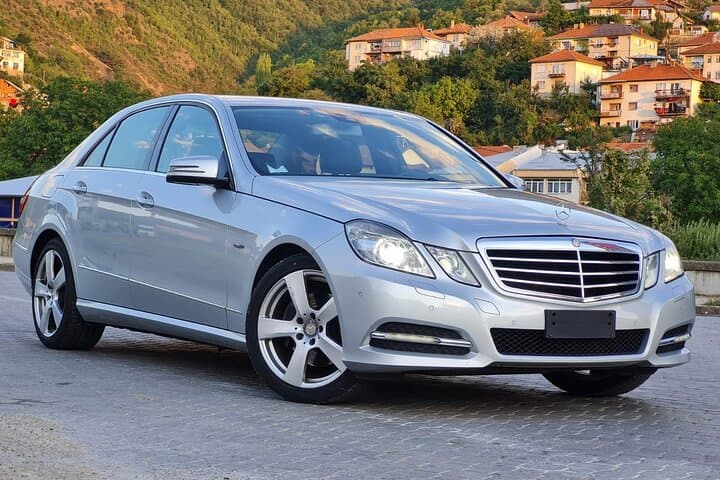
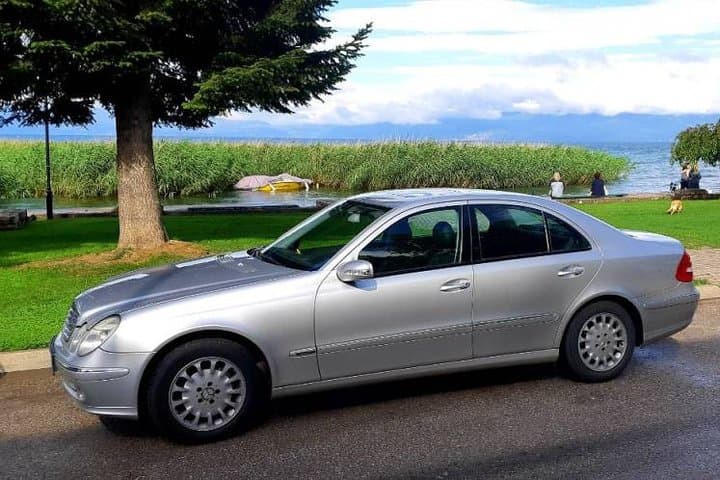
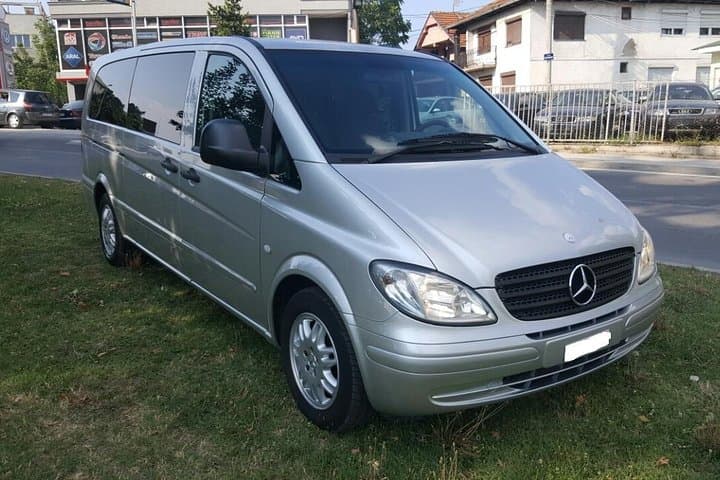
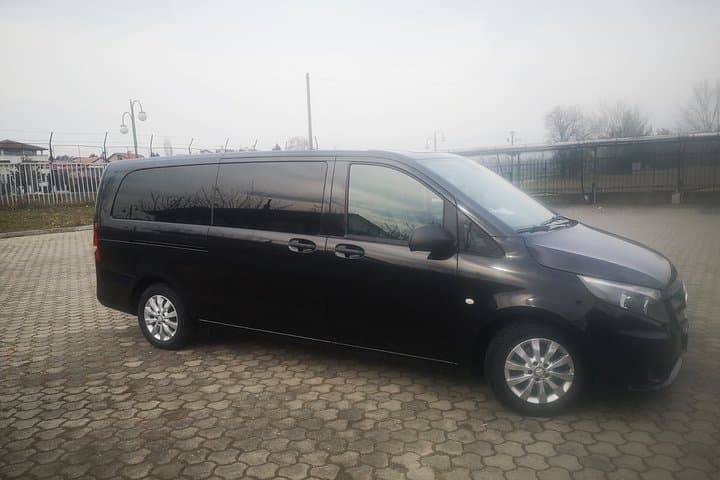
Expect a pragmatic cultural flow: drivers who know when to stop for a fast espresso in Kumanovo or for a relaxed lunch in Kriva Palanka, multilingual conversation at customs, and the occasional flock of storks on wires. Vehicles are air-conditioned sedans or 8‑seat vans; service typically includes door‑to‑door pickup and drop‑off in either city.
Practical guidance: carry passports and any required visas, allow additional time for border control during peak travel, and pack a light layer — mountain air near the border can be noticeably cooler. Plan stops if you want a restroom break or a short village visit; drivers can often recommend a reliable café.
This transfer is straightforward transport with local texture: efficient, predictable, and a quick window into the landscapes and small towns that knit North Macedonia and Bulgaria together.
easy.
3–4 hours.
No special fitness required; suitable for all adults and children who can sit for a multi‑hour drive
Typical driving time is 3–4 hours door‑to‑door; allow extra time for border formalities which can vary by day and season.
Visa requirements depend on your nationality—check both North Macedonia and Bulgaria entry rules well before travel and carry passport pages for stamps.
Yes; most private transfers allow one or more brief stops for restrooms, coffee or lunch—confirm preferences when booking.
You can book an air‑conditioned car for up to 3 people or a van for up to 8; luggage capacity varies, so note oversized items when reserving.
The route follows corridors long used for trade and movement between the central Balkans and Thrace; political borders shifted frequently in the 19th and 20th centuries, shaping local towns and customs.
Stick to designated rest areas, pack out trash, and consider shared transfers to reduce carbon footprint along this frequently driven cross‑border corridor.
Plus Travel Skopje operates guided outdoor trips and adventures with an emphasis on safety, stewardship, and memorable experiences.
The road opens up as city noise falls away: you roll past farmland, low limestone ridges and villages that stitch the Macedonian plain to the foothills before the border and the gradual rise toward Sofia.
The road opens up as city noise falls away: you roll past farmland, low limestone ridges and villages that stitch the Macedonian plain to the foothills before the border and the gradual rise toward Sofia.
This private transfer connects two Balkan capitals across roughly 240–260 km of mixed highway and regional roads in about 3–4 hours, depending on border queues. The route follows corridors shaped by geology — rolling carbonate hills, river valleys and alluvial plains — and a history of Ottoman trade routes, 20th-century border changes and regional commerce that still dictates where towns cluster.
Expect a pragmatic cultural flow: drivers who know when to stop for a fast espresso in Kumanovo or for a relaxed lunch in Kriva Palanka, multilingual conversation at customs, and the occasional flock of storks on wires. Vehicles are air-conditioned sedans or 8‑seat vans; service typically includes door‑to‑door pickup and drop‑off in either city.
Practical guidance: carry passports and any required visas, allow additional time for border control during peak travel, and pack a light layer — mountain air near the border can be noticeably cooler. Plan stops if you want a restroom break or a short village visit; drivers can often recommend a reliable café.
This transfer is straightforward transport with local texture: efficient, predictable, and a quick window into the landscapes and small towns that knit North Macedonia and Bulgaria together.