THE ADVENTURE COLLECTIVE® · Independent discovery and booking for outdoor travel

Walk Skopje’s layered streets from Ottoman bazaars to the Roman Aqueduct, then settle for a two-course local lunch. This private 5–7 hour tour combines urban archaeology, viewpoints and a taste of Macedonian cuisine.
Walk Skopje’s layered streets from Ottoman bazaars to the Roman Aqueduct, then settle for a two-course local lunch. This private 5–7 hour tour combines urban archaeology, viewpoints and a taste of Macedonian cuisine.
You step off the minivan into a city where old stone meets austere socialist architecture, and the air carries the charcoal-sweet promise of cevapi from a nearby grill. The guide leads you through wide plazas, past the Ottoman-era Old Bazaar alleys, and out toward the low ridge where a line of crumbling arches — the Roman Aqueduct — punctuates the skyline.
Verified experiences and guided adventures in the surrounding area.
Operated by Plus Travel Skopje · Skopje, Skopje
You step off the minivan into a city where old stone meets austere socialist architecture, and the air carries the charcoal-sweet promise of cevapi from a nearby grill. The guide leads you through wide plazas, past the Ottoman-era Old Bazaar alleys, and out toward the low ridge where a line of crumbling arches — the Roman Aqueduct — punctuates the skyline.
Skopje’s urban fabric is a palimpsest: Roman and Byzantine infrastructure underpins Ottoman markets, and 20th-century reconstruction layers on top. The aqueduct itself is a visible remnant of ancient waterworks that once channeled springs into the urban core, carved into the limestone outcrops that flank the Vardar valley. Local culture is tactile here — families at kafanas, artisans in bazaar stalls, and a culinary scene that centers around grilled meats and strong coffee.
On this private 5–7 hour walking tour you’ll move between paved streets and short, uneven archaeological approaches; expect short uphill stretches and stair sections when visiting viewpoints. The itinerary includes hotel pickup, an interpreter-style guide, and a two-course lunch with beverages — a practical combination for limited-time visitors.
Plan for mid-morning to late afternoon light, bring layered clothing for breezy river crossings, and carry water for a half-day of walking. Wear sturdy shoes: cobbles and museum paths alike reward stable soles. If you want better photos, aim for golden hour at the Stone Bridge or the aqueduct approach. The rhythm of the city is human-scale and immediate — walk deliberately, taste freely, and let the stones tell the century-old stories.
easy.
5–7 hours.
Suitable for all fitness levels; involves several hours of walking with short uphill stretches and stairs.
Yes — the tour includes round-trip private transfer and hotel pickup within Skopje as listed in the inclusions.
The private tour runs about 5–7 hours (300–420 minutes), combining a city walking route with a visit to the aqueduct and a two-course lunch.
The itinerary lists the aqueduct visit and city tour; confirm with the operator if any specific museum admissions are extra.
Yes — the tour notes infant seats are available and is rated physically easy, but parents should expect several hours of walking and some stair sections.
Skopje’s aqueduct and nearby ruins reflect Roman and early Byzantine waterworks that once supplied settlements along the Vardar; the city later developed under Ottoman and modern influences.
Archaeological sites and urban green spaces are sensitive — stick to marked paths, avoid climbing ruins, and support local guides and small businesses to keep cultural landscapes intact.
Plus Travel Skopje operates guided outdoor trips and adventures with an emphasis on safety, stewardship, and memorable experiences.
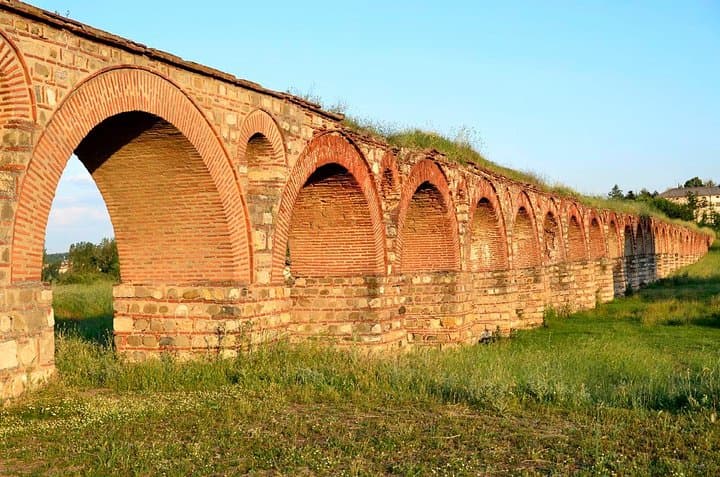
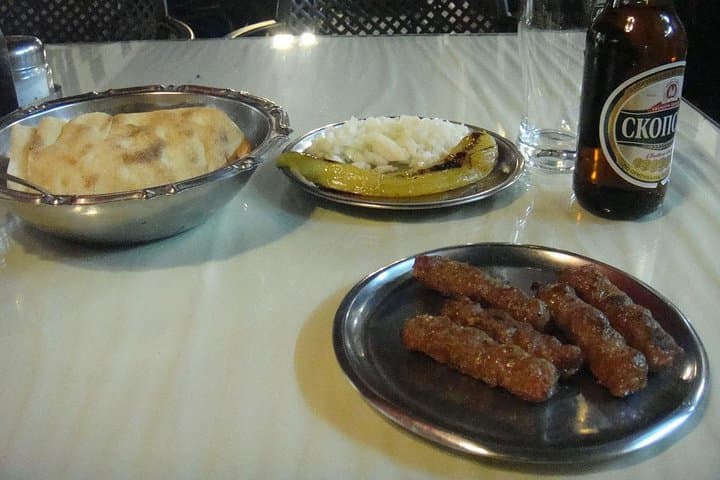
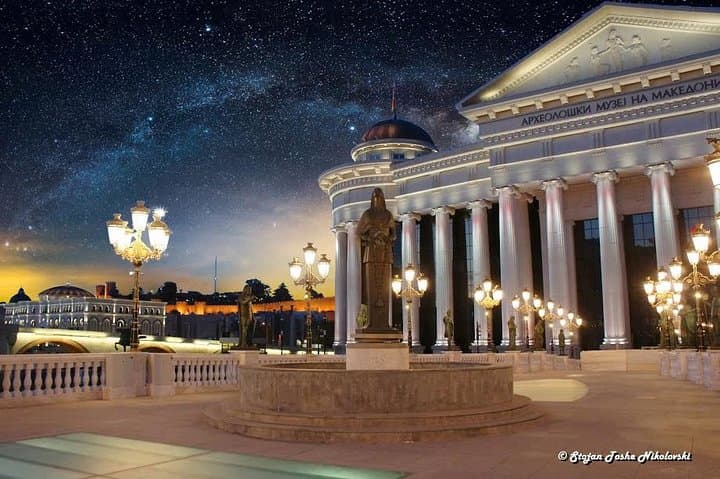
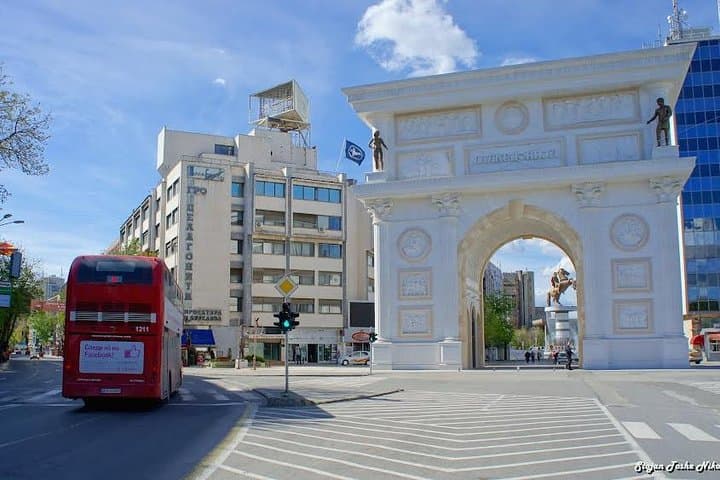
You step off the minivan into a city where old stone meets austere socialist architecture, and the air carries the charcoal-sweet promise of cevapi from a nearby grill. The guide leads you through wide plazas, past the Ottoman-era Old Bazaar alleys, and out toward the low ridge where a line of crumbling arches — the Roman Aqueduct — punctuates the skyline.
You step off the minivan into a city where old stone meets austere socialist architecture, and the air carries the charcoal-sweet promise of cevapi from a nearby grill. The guide leads you through wide plazas, past the Ottoman-era Old Bazaar alleys, and out toward the low ridge where a line of crumbling arches — the Roman Aqueduct — punctuates the skyline.
Skopje’s urban fabric is a palimpsest: Roman and Byzantine infrastructure underpins Ottoman markets, and 20th-century reconstruction layers on top. The aqueduct itself is a visible remnant of ancient waterworks that once channeled springs into the urban core, carved into the limestone outcrops that flank the Vardar valley. Local culture is tactile here — families at kafanas, artisans in bazaar stalls, and a culinary scene that centers around grilled meats and strong coffee.
On this private 5–7 hour walking tour you’ll move between paved streets and short, uneven archaeological approaches; expect short uphill stretches and stair sections when visiting viewpoints. The itinerary includes hotel pickup, an interpreter-style guide, and a two-course lunch with beverages — a practical combination for limited-time visitors.
Plan for mid-morning to late afternoon light, bring layered clothing for breezy river crossings, and carry water for a half-day of walking. Wear sturdy shoes: cobbles and museum paths alike reward stable soles. If you want better photos, aim for golden hour at the Stone Bridge or the aqueduct approach. The rhythm of the city is human-scale and immediate — walk deliberately, taste freely, and let the stones tell the century-old stories.