THE ADVENTURE COLLECTIVE® · Independent discovery and booking for outdoor travel

Descend into Škocjan’s vast underground canyon on a private transfer from Trieste. This UNESCO cave system delivers dramatic limestone chambers, a cool 10°C climate and a guided two-hour circuit with roughly 350 stairs—perfect for travelers who want a compact, high-impact karst experience.
Descend into Škocjan’s vast underground canyon on a private transfer from Trieste. This UNESCO cave system delivers dramatic limestone chambers, a cool 10°C climate and a guided two-hour circuit with roughly 350 stairs—perfect for travelers who want a compact, high-impact karst experience.
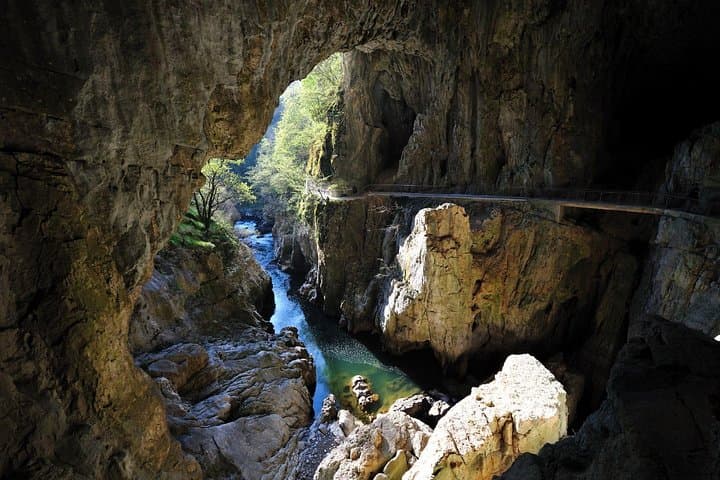
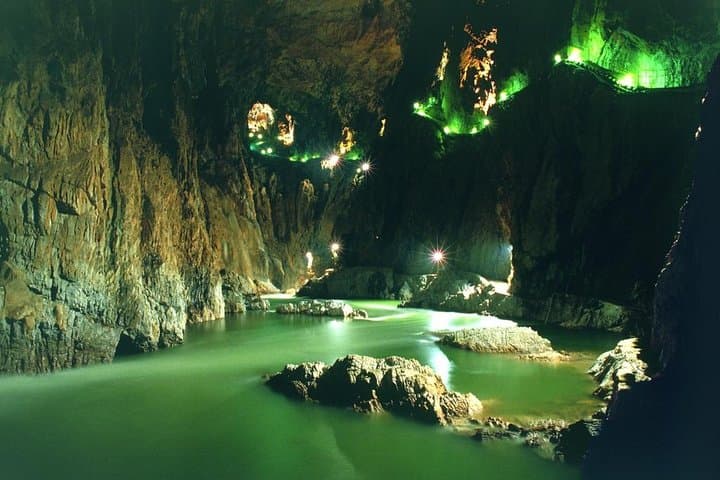
The bus eases off the coastal road and onto the flat, stony karst plateau; a cool breath moves through the van as passengers step out and the limestone cliffs fall away into a dark throat. Inside Škocjan, the Reka River cuts a cathedral-sized canyon, and the sound of water and distant footsteps gives the place a strict, ancient rhythm.
Verified experiences and guided adventures in the surrounding area.
Operated by Slovenia Daytrip · Divača, Slovenian Littoral
The bus eases off the coastal road and onto the flat, stony karst plateau; a cool breath moves through the van as passengers step out and the limestone cliffs fall away into a dark throat. Inside Škocjan, the Reka River cuts a cathedral-sized canyon, and the sound of water and distant footsteps gives the place a strict, ancient rhythm.
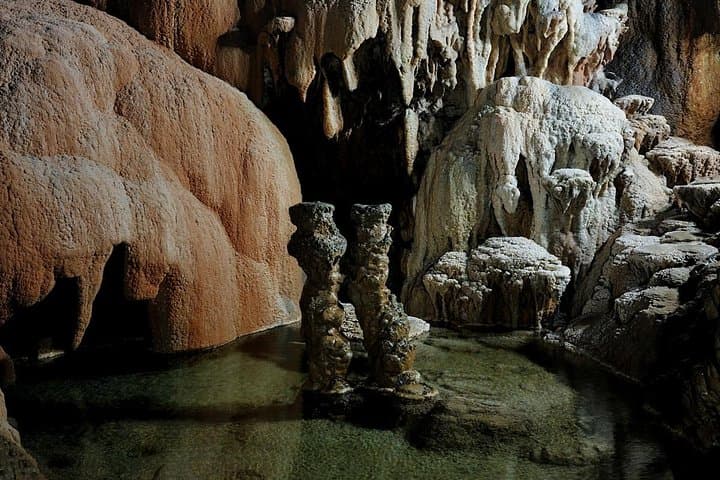
Škocjan Caves are a UNESCO World Heritage site because they reveal classic karst processes: sinking rivers, collapsed dolines and a gorge that rivals surface canyons for scale. The site has been known to locals for centuries and helped shape settlement and pastoral routes across the Slovenian Littoral. The underground canyon—one of the largest in the world—was formed by river erosion through soluble limestone, producing stalactites, stalagmites and narrow galleries alongside vast chambers.
Expect a guided, communal cave circuit that includes roughly 350 stairs, uneven paths and steady humidity; cave temperature hovers around 10°C (50°F) year-round. The tour operator provides private transport from Trieste (≈30–40 minutes) and tickets for the cave; the guided portion typically runs about two hours, with time before and after for snacks or a local lunch.
Practical tips: wear sturdy, grippy shoes and a warm outer layer; a light headlamp or phone is useful for photography but respect guide rules. Pace yourself on the stair sections, and carry a small water bottle—complimentary water is often provided but bring extras on hot travel days. If you have mobility or cardiovascular concerns, check warnings in advance; the route is strenuous in short bursts. Morning departures are less crowded; combine the visit with a meal in Divača or return to Trieste for coastal views.
moderate.
3–4 hours.
Moderate—able to handle multiple flights of stairs, standing for up to two hours, and short uneven sections.
Cave temperature stays around 10°C (50°F) year‑round, so bring a jacket even in summer.
The main tourist route includes about 350 stairs and uneven surfaces—it's not suitable for wheelchairs and may be difficult for those with serious mobility or cardiovascular issues.
Transportation is private for your booking (up to the stated vehicle capacity), but the cave visit joins a larger, professionally guided group for conservation and safety reasons.
Entrance is included in the tour price; bring a small amount of cash or card if you plan to buy souvenirs, snacks or a sit‑down lunch after the visit.
Škocjan’s passages were formed by the Reka River over hundreds of thousands of years and the site was inscribed on the UNESCO list for its classic karst landforms and underground canyon.
Visits are managed to protect fragile formations and bat colonies; follow guide instructions, avoid touching formations, and limit flash photography to reduce impact.
Slovenia Daytrip operates guided outdoor trips and adventures with an emphasis on safety, stewardship, and memorable experiences.
The bus eases off the coastal road and onto the flat, stony karst plateau; a cool breath moves through the van as passengers step out and the limestone cliffs fall away into a dark throat. Inside Škocjan, the Reka River cuts a cathedral-sized canyon, and the sound of water and distant footsteps gives the place a strict, ancient rhythm.
The bus eases off the coastal road and onto the flat, stony karst plateau; a cool breath moves through the van as passengers step out and the limestone cliffs fall away into a dark throat. Inside Škocjan, the Reka River cuts a cathedral-sized canyon, and the sound of water and distant footsteps gives the place a strict, ancient rhythm.
Škocjan Caves are a UNESCO World Heritage site because they reveal classic karst processes: sinking rivers, collapsed dolines and a gorge that rivals surface canyons for scale. The site has been known to locals for centuries and helped shape settlement and pastoral routes across the Slovenian Littoral. The underground canyon—one of the largest in the world—was formed by river erosion through soluble limestone, producing stalactites, stalagmites and narrow galleries alongside vast chambers.
Expect a guided, communal cave circuit that includes roughly 350 stairs, uneven paths and steady humidity; cave temperature hovers around 10°C (50°F) year-round. The tour operator provides private transport from Trieste (≈30–40 minutes) and tickets for the cave; the guided portion typically runs about two hours, with time before and after for snacks or a local lunch.
Practical tips: wear sturdy, grippy shoes and a warm outer layer; a light headlamp or phone is useful for photography but respect guide rules. Pace yourself on the stair sections, and carry a small water bottle—complimentary water is often provided but bring extras on hot travel days. If you have mobility or cardiovascular concerns, check warnings in advance; the route is strenuous in short bursts. Morning departures are less crowded; combine the visit with a meal in Divača or return to Trieste for coastal views.