THE ADVENTURE COLLECTIVE® · Independent discovery and booking for outdoor travel

Bypass queues and explore Zeitz MOCAA with a private guide who explains the silo’s conversion and the contemporary African art inside. Expect 90–120 minutes of tailored commentary, striking architecture, and museum essentials like security screening and exhibition-specific photography rules.
Bypass queues and explore Zeitz MOCAA with a private guide who explains the silo’s conversion and the contemporary African art inside. Expect 90–120 minutes of tailored commentary, striking architecture, and museum essentials like security screening and exhibition-specific photography rules.
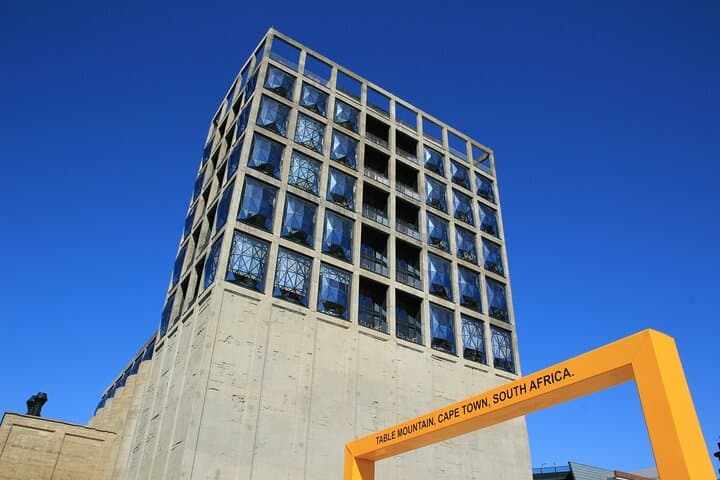
The Silo’s concrete cylinders loom over the Victoria & Alfred Waterfront like a quiet, industrial tide—then you step inside and the silos begin to breathe. Light funnels through carved atria, and you move from raw geometry into galleries pulsing with contemporary African voices. A private guide opens doors to work that links local histories, diasporic currents and bold formal experiments.
Verified experiences and guided adventures in the surrounding area.
Operated by New York City Tours · Cape Town, Western Cape
The Silo’s concrete cylinders loom over the Victoria & Alfred Waterfront like a quiet, industrial tide—then you step inside and the silos begin to breathe. Light funnels through carved atria, and you move from raw geometry into galleries pulsing with contemporary African voices. A private guide opens doors to work that links local histories, diasporic currents and bold formal experiments.
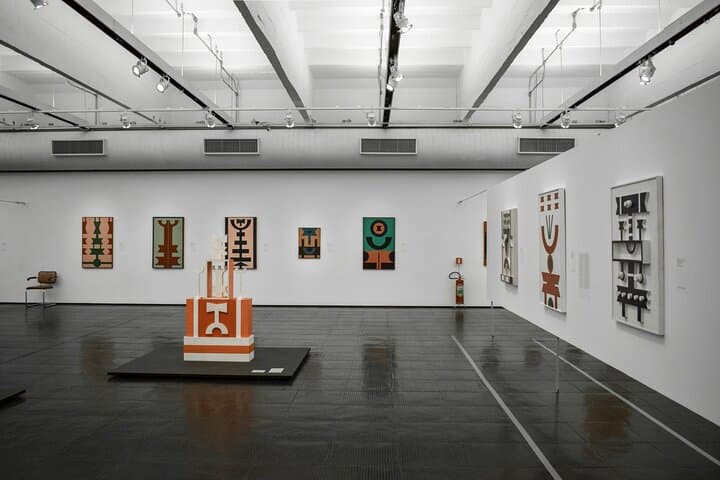
The building itself charts the site’s evolution: a 1920s grain silo reworked by Heatherwick Studio and opened as Zeitz MOCAA in 2017, an act of adaptive reuse that turned industrial infrastructure into one of the world’s largest museums dedicated to African contemporary art. The galleries climb nine floors, each level revealing different materials and techniques—sculpture that occupies chamber-like vaults, large-scale painting on expanses of concrete, and installations that reframe memory and migration.
Pause to watch harbor light move across the Silo’s glazed walls; the Waterfront’s shipping history and Cape Town’s port culture are part of the museum’s context. Local guides will point out artists, curatorial choices and how the conversion preserved grain channels and concrete forms as part of the story.
Practical guide: meet at Silo Square in front of The Silo Hotel and expect security screening even with skip-the-line access. Allocate about 90–120 minutes for a focused tour, wear comfortable shoes for stair and ramp sections, and bring a small bag—large backpacks may be restricted. Photography is usually allowed for non-flash personal use, but check for temporary exhibition rules. If accessibility or specific languages are needed, request them in advance to guarantee the best private experience.
easy.
1.5–2 hours.
Suitable for most fitness levels; involves standing and short walks with stairs and ramps.
Meet in front of The Silo Hotel at Silo Square (do not enter the hotel); guides will greet the group there.
Skip-the-line includes priority entry past the ticket queue but you may still undergo standard security screening before entry.
Yes—Zeitz MOCAA was adapted for accessibility with elevators and accessible routes; notify the operator in advance for any special assistance.
Non-flash, personal photography is commonly allowed in permanent galleries; some temporary exhibitions restrict photography—your guide will advise on arrival.
The Zeitz MOCAA occupies a 1920s grain silo transformed by Heatherwick Studio and opened in 2017, an influential example of adaptive reuse in Cape Town’s docklands.
Adaptive reuse of the silo preserved industrial fabric, reducing new construction impact; visitors should follow museum rules to minimize wear on delicate installations.
New York City Tours operates guided outdoor trips and adventures with an emphasis on safety, stewardship, and memorable experiences.
The Silo’s concrete cylinders loom over the Victoria & Alfred Waterfront like a quiet, industrial tide—then you step inside and the silos begin to breathe. Light funnels through carved atria, and you move from raw geometry into galleries pulsing with contemporary African voices. A private guide opens doors to work that links local histories, diasporic currents and bold formal experiments.
The Silo’s concrete cylinders loom over the Victoria & Alfred Waterfront like a quiet, industrial tide—then you step inside and the silos begin to breathe. Light funnels through carved atria, and you move from raw geometry into galleries pulsing with contemporary African voices. A private guide opens doors to work that links local histories, diasporic currents and bold formal experiments.
The building itself charts the site’s evolution: a 1920s grain silo reworked by Heatherwick Studio and opened as Zeitz MOCAA in 2017, an act of adaptive reuse that turned industrial infrastructure into one of the world’s largest museums dedicated to African contemporary art. The galleries climb nine floors, each level revealing different materials and techniques—sculpture that occupies chamber-like vaults, large-scale painting on expanses of concrete, and installations that reframe memory and migration.
Pause to watch harbor light move across the Silo’s glazed walls; the Waterfront’s shipping history and Cape Town’s port culture are part of the museum’s context. Local guides will point out artists, curatorial choices and how the conversion preserved grain channels and concrete forms as part of the story.
Practical guide: meet at Silo Square in front of The Silo Hotel and expect security screening even with skip-the-line access. Allocate about 90–120 minutes for a focused tour, wear comfortable shoes for stair and ramp sections, and bring a small bag—large backpacks may be restricted. Photography is usually allowed for non-flash personal use, but check for temporary exhibition rules. If accessibility or specific languages are needed, request them in advance to guarantee the best private experience.