THE ADVENTURE COLLECTIVE® · Independent discovery and booking for outdoor travel

Avoid long queues and move straight into centuries of art with skip-the-line Vatican Museums tickets. This guide covers what to see, how to plan your 2–3 hour visit, and practical rules—like the strict no-photography policy inside the Sistine Chapel.
Avoid long queues and move straight into centuries of art with skip-the-line Vatican Museums tickets. This guide covers what to see, how to plan your 2–3 hour visit, and practical rules—like the strict no-photography policy inside the Sistine Chapel.
Stepping through the Vatican Museums’ modest stone portal, you move from Roman streets into corridors where centuries of art press close. Light filters from high windows onto marble floors; frescoed ceilings and gilded frames draw the eye into a slow, deliberate procession toward the Sistine Chapel.
Verified experiences and guided adventures in the surrounding area.
Operated by Dream Fly Tourism LLC · Vatican City, Lazio
Stepping through the Vatican Museums’ modest stone portal, you move from Roman streets into corridors where centuries of art press close. Light filters from high windows onto marble floors; frescoed ceilings and gilded frames draw the eye into a slow, deliberate procession toward the Sistine Chapel.
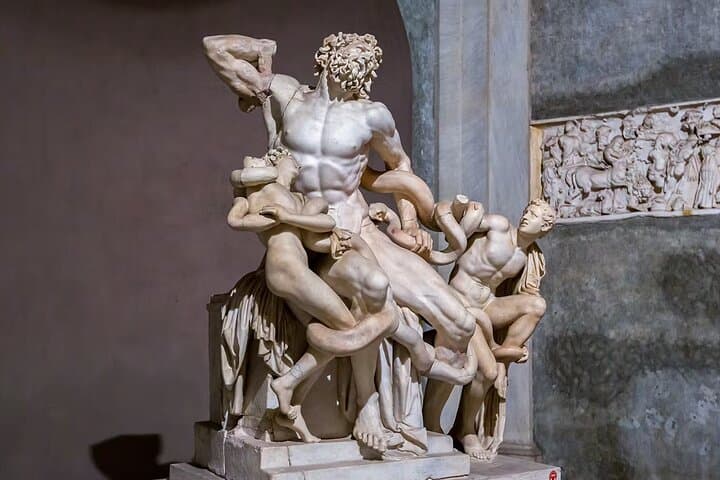
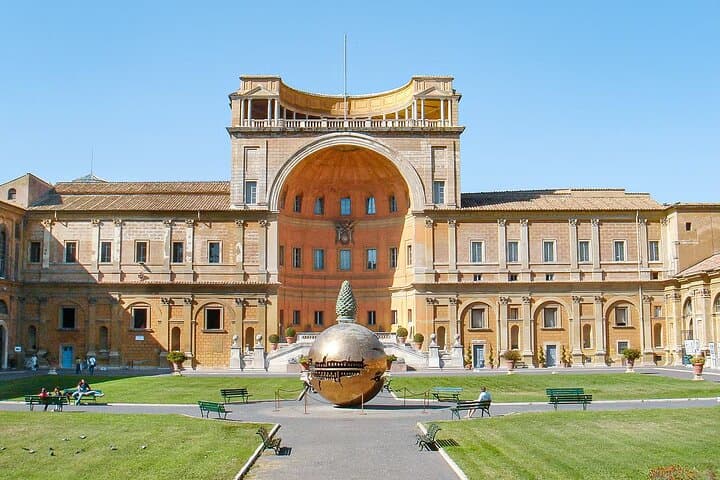
The collection began when Pope Julius II opened papal holdings to scholars and grew over centuries to include classical sculpture, Renaissance painting, and cartographic galleries. Architecture shifts from papal apartments to museum wings; the Gallery of Maps, Raphael Rooms and Pinecone Courtyard trace Rome’s artistic priorities and papal patronage.
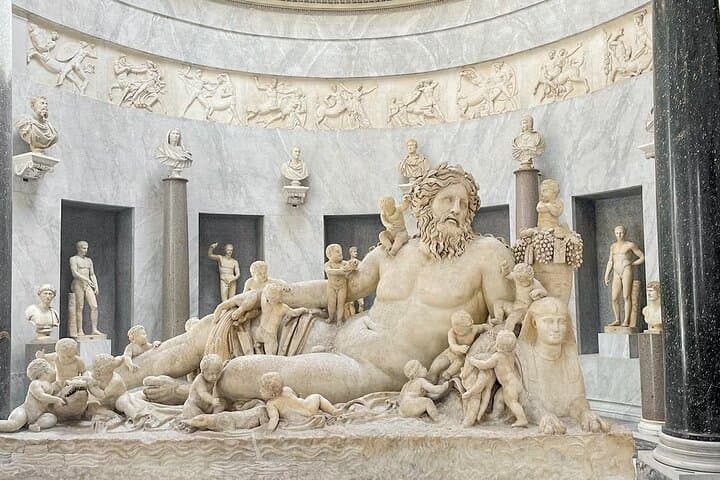
Visitors feel the weight of history and technique: Carrara marble that once rested in Roman villas, pigment recipes used by Raphael, Michelangelo’s ceiling panels exerting spatial gravity. The experience is cultural as much as visual—the museum maps the interplay of faith, power and artistic labor across Europe.
Practically, expect 2–3 hours to move at a measured pace; most guests begin at the Pinacoteca or Maps Gallery and end in the Sistine Chapel. Dress conservatively: shoulders and knees must be covered inside sacred spaces. Security screening is standard; large backpacks are discouraged. Photography is allowed in most galleries but strictly forbidden inside the Sistine Chapel—follow staff directions. For shorter visits, target the Raphael Rooms and Gallery of Maps; for deeper study, audio guides or a morning arrival minimize crowds. Hydrate before entry—there are no cafés within the main sequence—and reserve skip-the-line tickets to reclaim time for quiet observation.
Allow time afterward for St. Peter’s Square views.
easy.
2–3 hours.
Light walking on hard floors and standing for extended periods; suitable for most fitness levels.
No—mobile tickets are accepted, but keep the QR code accessible and fully charged for entry.
No—photography and videography are strictly prohibited inside the Sistine Chapel; comply with staff instructions.
This ticket provides skip-the-line entry only; guided tours or audio guides are separate options if you want commentary.
Conservative dress is required: shoulders and knees must be covered for access to the chapel and certain galleries.
The museums grew from papal collections made accessible starting under Pope Julius II in the early 16th century, developing into one of the world’s richest art repositories.
High visitor numbers stress delicate frescoes and sculptures; follow rules (no touching, no flash) and favor early visits to lessen crowd impact.
Dream Fly Tourism LLC operates guided outdoor trips and adventures with an emphasis on safety, stewardship, and memorable experiences.
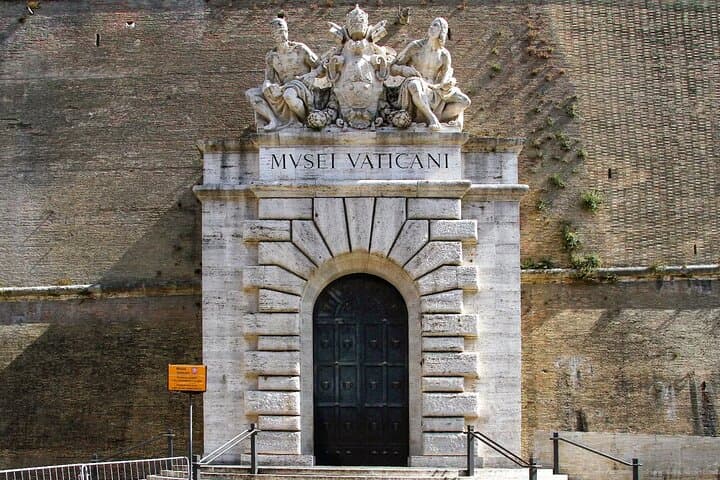
Stepping through the Vatican Museums’ modest stone portal, you move from Roman streets into corridors where centuries of art press close. Light filters from high windows onto marble floors; frescoed ceilings and gilded frames draw the eye into a slow, deliberate procession toward the Sistine Chapel.
Stepping through the Vatican Museums’ modest stone portal, you move from Roman streets into corridors where centuries of art press close. Light filters from high windows onto marble floors; frescoed ceilings and gilded frames draw the eye into a slow, deliberate procession toward the Sistine Chapel.
The collection began when Pope Julius II opened papal holdings to scholars and grew over centuries to include classical sculpture, Renaissance painting, and cartographic galleries. Architecture shifts from papal apartments to museum wings; the Gallery of Maps, Raphael Rooms and Pinecone Courtyard trace Rome’s artistic priorities and papal patronage.
Visitors feel the weight of history and technique: Carrara marble that once rested in Roman villas, pigment recipes used by Raphael, Michelangelo’s ceiling panels exerting spatial gravity. The experience is cultural as much as visual—the museum maps the interplay of faith, power and artistic labor across Europe.
Practically, expect 2–3 hours to move at a measured pace; most guests begin at the Pinacoteca or Maps Gallery and end in the Sistine Chapel. Dress conservatively: shoulders and knees must be covered inside sacred spaces. Security screening is standard; large backpacks are discouraged. Photography is allowed in most galleries but strictly forbidden inside the Sistine Chapel—follow staff directions. For shorter visits, target the Raphael Rooms and Gallery of Maps; for deeper study, audio guides or a morning arrival minimize crowds. Hydrate before entry—there are no cafés within the main sequence—and reserve skip-the-line tickets to reclaim time for quiet observation.
Allow time afterward for St. Peter’s Square views.