THE ADVENTURE COLLECTIVE® · Independent discovery and booking for outdoor travel

Skip the queues at Tierpark Hellabrunn and arrive by private transfer for a focused 4–5 hour visit. Walk riverbank paths between regionally arranged enclosures, see over 750 species, and take advantage of accessible routes and timed feeding demonstrations.
Skip the queues at Tierpark Hellabrunn and arrive by private transfer for a focused 4–5 hour visit. Walk riverbank paths between regionally arranged enclosures, see over 750 species, and take advantage of accessible routes and timed feeding demonstrations.
You step out of a quiet car into the cool air of the Isar floodplain; the city’s hum fades and calls of monkeys and birds thread through the trees. Tierpark Hellabrunn stretches along the riverbank, a living map where animals are arranged by geographic region rather than in isolated cages—an idea born here over a century ago.
Verified experiences and guided adventures in the surrounding area.
Operated by Rosotravel - Munich · Munich, Bavaria
You step out of a quiet car into the cool air of the Isar floodplain; the city’s hum fades and calls of monkeys and birds thread through the trees. Tierpark Hellabrunn stretches along the riverbank, a living map where animals are arranged by geographic region rather than in isolated cages—an idea born here over a century ago.
Opened in 1911 as the world’s first geozoo, Hellabrunn pairs early-20th-century conservation ideals with modern enclosures: broad meadows for elephants, rocky ridges for tigers, and planted corridors that mimic native habitats. The park sits on gravelly river terraces carved by the Isar; you’ll notice wetland planting, beech and alder stands, and winding paths that follow gentle contours rather than steep climbs.
Locals from the Thalkirchen neighborhood come for weekend family visits, combining zoo time with a riverside walk or a stop at a nearby beer garden. Cultural touches—educational placards in German and English, animal feeding talks, and themed seasonal displays—make the visit readable for first-timers and repeat visitors alike.
Practically: a skip-the-line ticket and a private transfer maximize four to five hours inside the park. Expect 3–5 km of walking on paved and compacted-gravel paths with negligible elevation gain. The zoo is highly accessible, stroller- and wheelchair-friendly, but spring mud and summer sun change comfort levels—pack layers, sun protection, and reusable water. Confirm pickup details the day before, allow time for feeding demonstrations if you want to catch them, and keep dogs and outside food rules in mind. This visit is ideal for families and travelers who want efficient, comfortable access to one of Europe’s most thoughtful zoological gardens.
easy.
4.5–5 hours.
Suitable for most fitness levels; expect several hours of walking with frequent stops and minimal elevation change
Skip-the-line tickets provide priority entry but you’ll still receive a recommended arrival window; confirm with the booking details and the driver to align pickup time.
Yes—paths and many exhibits are wheelchair and stroller accessible; accessible restrooms are available and vehicles can be arranged with space for wheelchair access if requested.
Small snacks for children are generally allowed, but large picnics may be restricted in some areas—use designated picnic zones and the onsite cafes for full meals.
Tierpark Hellabrunn is reachable by Munich’s U-Bahn (U3 to Thalkirchen) and several tram/bus lines; the transfer option is offered to avoid transit navigation and ensure a timely visit.
Tierpark Hellabrunn opened in 1911 as the world’s first geozoo, organizing animals by geographic origin to support education and conservation.
The zoo runs captive-breeding and reintroduction programs and emphasizes habitat-style enclosures; visitors are encouraged to follow on-site rules to reduce stress on animals and local ecosystems.
Rosotravel - Munich operates guided outdoor trips and adventures with an emphasis on safety, stewardship, and memorable experiences.
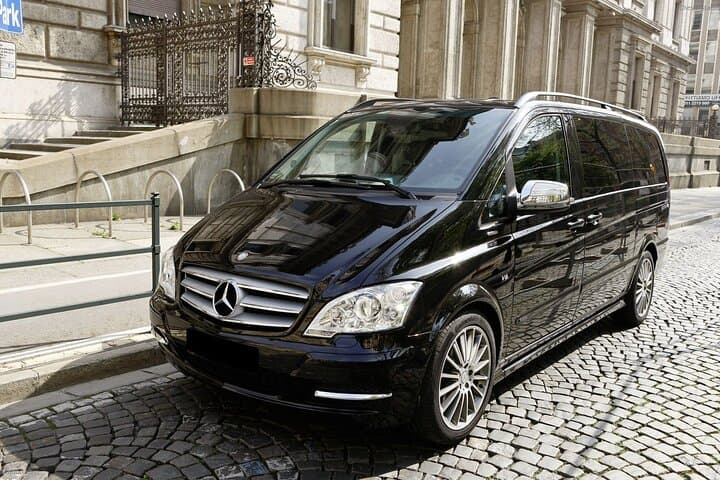
You step out of a quiet car into the cool air of the Isar floodplain; the city’s hum fades and calls of monkeys and birds thread through the trees. Tierpark Hellabrunn stretches along the riverbank, a living map where animals are arranged by geographic region rather than in isolated cages—an idea born here over a century ago.
You step out of a quiet car into the cool air of the Isar floodplain; the city’s hum fades and calls of monkeys and birds thread through the trees. Tierpark Hellabrunn stretches along the riverbank, a living map where animals are arranged by geographic region rather than in isolated cages—an idea born here over a century ago.
Opened in 1911 as the world’s first geozoo, Hellabrunn pairs early-20th-century conservation ideals with modern enclosures: broad meadows for elephants, rocky ridges for tigers, and planted corridors that mimic native habitats. The park sits on gravelly river terraces carved by the Isar; you’ll notice wetland planting, beech and alder stands, and winding paths that follow gentle contours rather than steep climbs.
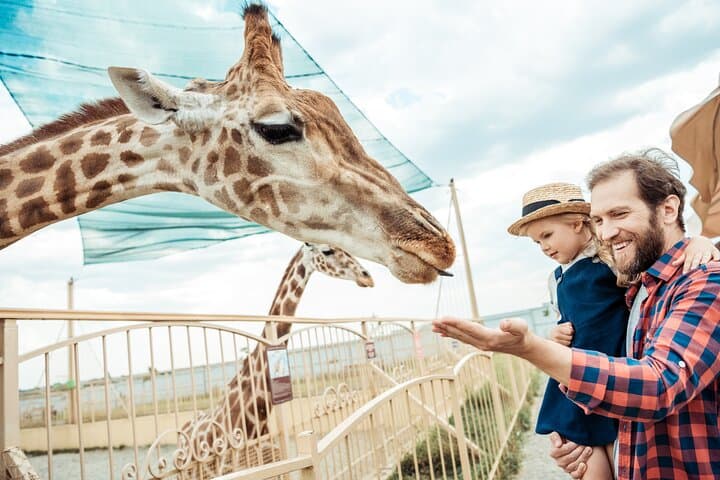
Locals from the Thalkirchen neighborhood come for weekend family visits, combining zoo time with a riverside walk or a stop at a nearby beer garden. Cultural touches—educational placards in German and English, animal feeding talks, and themed seasonal displays—make the visit readable for first-timers and repeat visitors alike.
Practically: a skip-the-line ticket and a private transfer maximize four to five hours inside the park. Expect 3–5 km of walking on paved and compacted-gravel paths with negligible elevation gain. The zoo is highly accessible, stroller- and wheelchair-friendly, but spring mud and summer sun change comfort levels—pack layers, sun protection, and reusable water. Confirm pickup details the day before, allow time for feeding demonstrations if you want to catch them, and keep dogs and outside food rules in mind. This visit is ideal for families and travelers who want efficient, comfortable access to one of Europe’s most thoughtful zoological gardens.