THE ADVENTURE COLLECTIVE® · Independent discovery and booking for outdoor travel

Skip the entry lines and head straight into Musée du Quai Branly Jacques Chirac to explore global indigenous art and a rooftop view of the Eiffel Tower. This ticket saves time and gives access to permanent collections and rotating exhibitions in Jean Nouvel’s striking building.
Skip the entry lines and head straight into Musée du Quai Branly Jacques Chirac to explore global indigenous art and a rooftop view of the Eiffel Tower. This ticket saves time and gives access to permanent collections and rotating exhibitions in Jean Nouvel’s striking building.
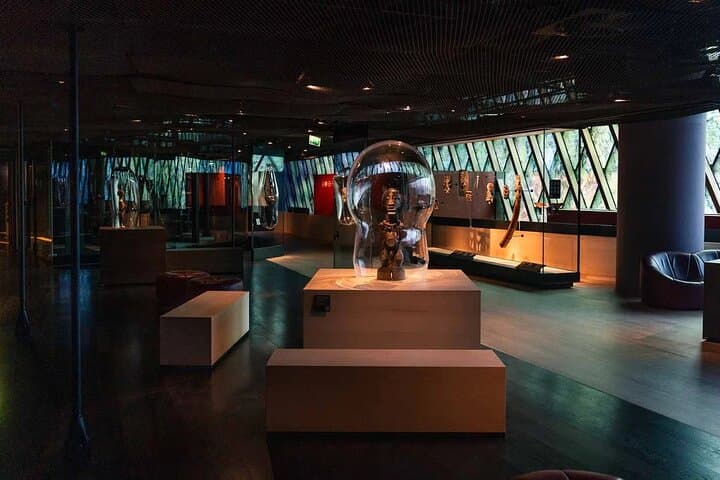
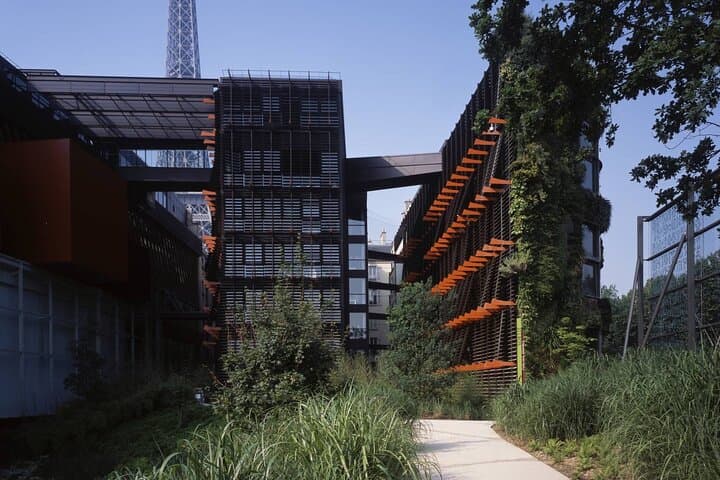
You step off the quai and the museum’s dark, perforated facade rises against the Seine, its elevated gardens rustling like a green room between river and city. The building, by Jean Nouvel, frames the Eiffel Tower across the water; inside, objects from Africa, Asia, Oceania and the Americas hold space with an immediacy that feels more like conversation than display.
Verified experiences and guided adventures in the surrounding area.
Operated by Paris Museum Ticket · Paris, Île-de-France
You step off the quai and the museum’s dark, perforated facade rises against the Seine, its elevated gardens rustling like a green room between river and city. The building, by Jean Nouvel, frames the Eiffel Tower across the water; inside, objects from Africa, Asia, Oceania and the Americas hold space with an immediacy that feels more like conversation than display.
Opened in 2006 and renamed to honor Jacques Chirac’s support of non-European arts, the Musée du Quai Branly houses over 370,000 objects — masks, textiles, totems and ritual objects — gathered from continents and cultures seldom the focus of Paris’s larger museums.
Geographically the site sits on the left bank’s river terrace; culturally it functions as a crossroads where traditional craftsmanship meets contemporary indigenous voices. Temporary exhibitions often foreground living artists and contested histories, so the visit can be as much about present-day cultural dialogue as about the past.
Practical guidance: this direct-entry ticket bypasses the queue, ideal during midday surges. Allow roughly 1.5–2 hours for the permanent collection, longer if a temporary show is featured. Security screenings are standard; large bags are discouraged. The museum is wheelchair accessible and stroller-friendly; elevators connect galleries and the rooftop terrace, where you can frame the Eiffel through the museum’s plantings.
Timing and weather matter for the gardens: early morning light softens the woodlands; late afternoon casts the Eiffel in silhouette. Combine this visit with a Seine walk or the nearby Trocadéro viewpoints to extend a cultural afternoon in Paris.
easy.
2 hours.
Suitable for most fitness levels; involves standing and short stair or elevator transfers.
This direct-entry ticket allows skip-the-line entry but check the booking confirmation for any time restrictions; arrive within the recommended window on your voucher.
Yes—galleries, terraces and services are wheelchair accessible with elevators and adapted routes; staff can assist on request.
Non-flash, non-commercial photography is generally allowed in the permanent collection; temporary exhibitions may restrict photography—follow posted rules.
This ticket provides entry only; audio guides or guided tours are separate and may be available on-site for an additional fee.
The museum opened in 2006 in Jean Nouvel’s award-winning design to showcase non-European arts, and its collections and exhibitions have since foregrounded both historical objects and contemporary indigenous practices.
The Quai Branly emphasizes ethical curation and has been part of wider discussions on repatriation and responsible collecting; its gardens are managed to support urban biodiversity and low-impact maintenance.
Paris Museum Ticket operates guided outdoor trips and adventures with an emphasis on safety, stewardship, and memorable experiences.


You step off the quai and the museum’s dark, perforated facade rises against the Seine, its elevated gardens rustling like a green room between river and city. The building, by Jean Nouvel, frames the Eiffel Tower across the water; inside, objects from Africa, Asia, Oceania and the Americas hold space with an immediacy that feels more like conversation than display.
You step off the quai and the museum’s dark, perforated facade rises against the Seine, its elevated gardens rustling like a green room between river and city. The building, by Jean Nouvel, frames the Eiffel Tower across the water; inside, objects from Africa, Asia, Oceania and the Americas hold space with an immediacy that feels more like conversation than display.
Opened in 2006 and renamed to honor Jacques Chirac’s support of non-European arts, the Musée du Quai Branly houses over 370,000 objects — masks, textiles, totems and ritual objects — gathered from continents and cultures seldom the focus of Paris’s larger museums.
Geographically the site sits on the left bank’s river terrace; culturally it functions as a crossroads where traditional craftsmanship meets contemporary indigenous voices. Temporary exhibitions often foreground living artists and contested histories, so the visit can be as much about present-day cultural dialogue as about the past.
Practical guidance: this direct-entry ticket bypasses the queue, ideal during midday surges. Allow roughly 1.5–2 hours for the permanent collection, longer if a temporary show is featured. Security screenings are standard; large bags are discouraged. The museum is wheelchair accessible and stroller-friendly; elevators connect galleries and the rooftop terrace, where you can frame the Eiffel through the museum’s plantings.
Timing and weather matter for the gardens: early morning light softens the woodlands; late afternoon casts the Eiffel in silhouette. Combine this visit with a Seine walk or the nearby Trocadéro viewpoints to extend a cultural afternoon in Paris.