THE ADVENTURE COLLECTIVE® · Independent discovery and booking for outdoor travel

Move straight into Teotihuacan with a skip-the-line ticket and trade waiting for walking: stand atop ancient platforms, read faded murals, and trace the Avenue of the Dead. This practical guide outlines what to expect, how to get there, and how to prepare for the plateau’s sun and stairs.
Move straight into Teotihuacan with a skip-the-line ticket and trade waiting for walking: stand atop ancient platforms, read faded murals, and trace the Avenue of the Dead. This practical guide outlines what to expect, how to get there, and how to prepare for the plateau’s sun and stairs.
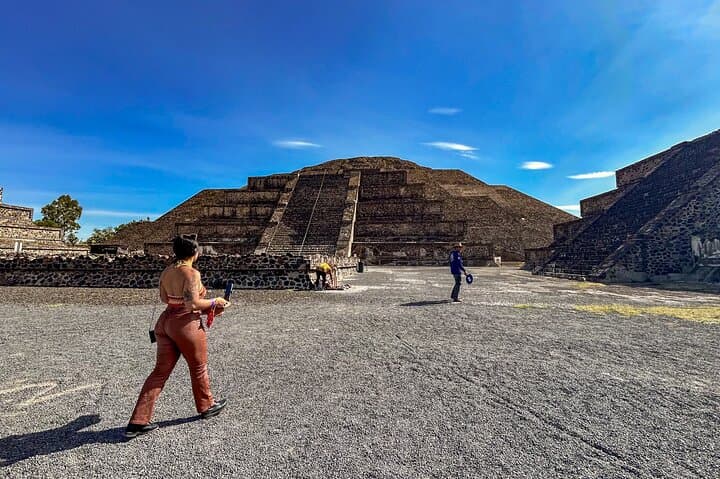
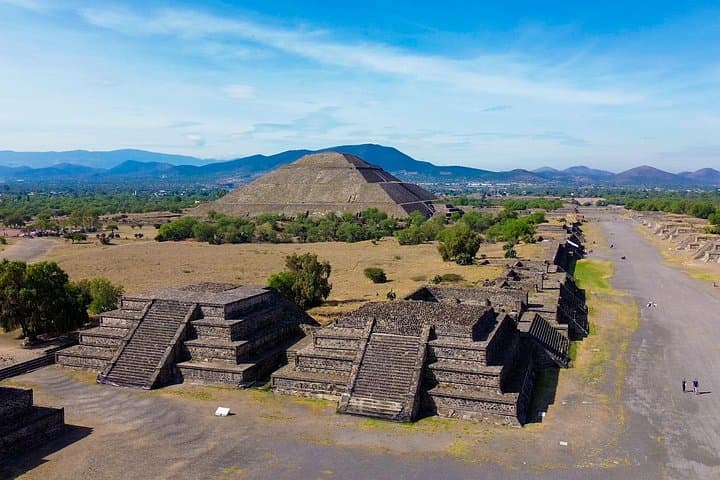
You emerge from the parking dust onto a wide stone causeway and the air seems to open — the Avenue of the Dead stretches under a high sky toward two monumental pyramids. With a skip-the-line ticket you walk past the queue and into a place where human ambition left an imprint on the volcanic plain.
Verified experiences and guided adventures in the surrounding area.
Operated by Amigo Tours · San Juan Teotihuacán, State of Mexico
You emerge from the parking dust onto a wide stone causeway and the air seems to open — the Avenue of the Dead stretches under a high sky toward two monumental pyramids. With a skip-the-line ticket you walk past the queue and into a place where human ambition left an imprint on the volcanic plain.
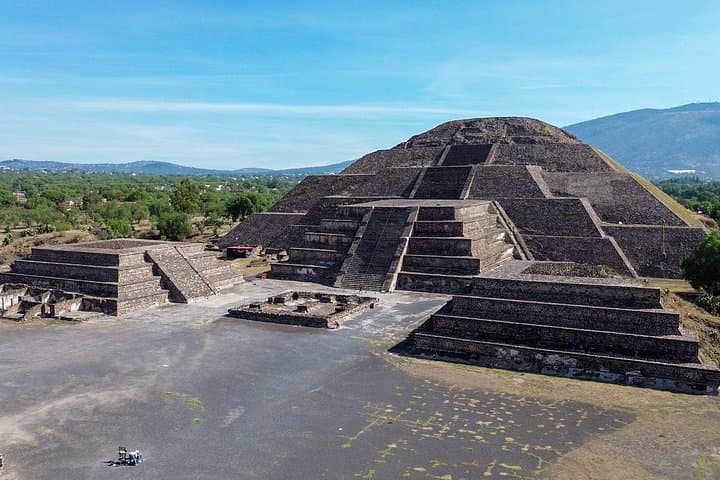
Teotihuacan rose between the 1st and 7th centuries CE and became one of Mesoamerica’s largest urban centers. The pyramid cores are volcanic rock and packed earth, later faced with stone; murals and carved reliefs at the Palace of the Jaguars and the Temple of the Feathered Serpent hint at ritual life and political power.
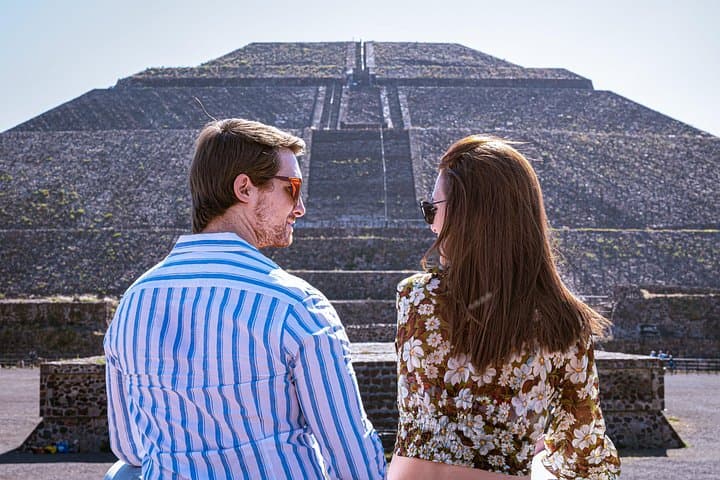
Local culture today centers on the site museum, small food stalls, and families who have worked the area for generations; artisans sell replicas and academic signage explains excavation history. The landscape is high plateau — exposed sun, cooling winds, and an absence of tall trees — so views from the Pyramid of the Sun and Moon are expansive.
Practical guide: expect 1–3 hours to move at a steady pace; bring sun protection, refillable water, and shoes that handle uneven stone and steep steps. Your skip-the-line ticket grants entry but not a guided tour; public buses and colectivos run from Mexico City, or you can join a guided transfer if you prefer interpretation.
Respect marked barriers: erosion is a constant threat, and some structures are closed to climbing. Arrive early to avoid heat and midday crowds, and allow time to visit the on-site museum and the quieter courtyards around the palaces.
easy.
1–3 hours.
Light walking fitness; able to handle stair climbs and short steep sections.
The ticket grants site entry and faster access to the park but climbing and access to specific structures are subject to site rules and closures; check current onsite signage.
Public buses and shared vans depart from Mexico City (Terminal del Norte and tourist hubs) and drop near the site; organized transfers and tours are also common.
Much of the complex has uneven stone, stairs, and limited ramps; the site museum and some walkways are more accessible, but full access across all monuments is restricted.
Plan 1–3 hours for main pyramids, the Avenue of the Dead, and the site museum; add time if you want a relaxed visit or to see nearby museums and markets.
Teotihuacan was a major urban center from roughly 100–700 CE; later Mesoamerican peoples, including the Aztecs, revered it as a sacred site.
Teotihuacan is a protected UNESCO World Heritage Site; visitors should stay on paths, avoid touching exposed walls, and follow onsite guidance to reduce erosion and wear.
Amigo Tours operates guided outdoor trips and adventures with an emphasis on safety, stewardship, and memorable experiences.
You emerge from the parking dust onto a wide stone causeway and the air seems to open — the Avenue of the Dead stretches under a high sky toward two monumental pyramids. With a skip-the-line ticket you walk past the queue and into a place where human ambition left an imprint on the volcanic plain.
You emerge from the parking dust onto a wide stone causeway and the air seems to open — the Avenue of the Dead stretches under a high sky toward two monumental pyramids. With a skip-the-line ticket you walk past the queue and into a place where human ambition left an imprint on the volcanic plain.
Teotihuacan rose between the 1st and 7th centuries CE and became one of Mesoamerica’s largest urban centers. The pyramid cores are volcanic rock and packed earth, later faced with stone; murals and carved reliefs at the Palace of the Jaguars and the Temple of the Feathered Serpent hint at ritual life and political power.
Local culture today centers on the site museum, small food stalls, and families who have worked the area for generations; artisans sell replicas and academic signage explains excavation history. The landscape is high plateau — exposed sun, cooling winds, and an absence of tall trees — so views from the Pyramid of the Sun and Moon are expansive.
Practical guide: expect 1–3 hours to move at a steady pace; bring sun protection, refillable water, and shoes that handle uneven stone and steep steps. Your skip-the-line ticket grants entry but not a guided tour; public buses and colectivos run from Mexico City, or you can join a guided transfer if you prefer interpretation.
Respect marked barriers: erosion is a constant threat, and some structures are closed to climbing. Arrive early to avoid heat and midday crowds, and allow time to visit the on-site museum and the quieter courtyards around the palaces.