THE ADVENTURE COLLECTIVE® · Independent discovery and booking for outdoor travel

Skip the line at Vienna’s Hofburg to move quickly from bustling Ringstraße to the intimate Sisi Museum and imperial apartments—an efficient, sensory 2–3 hour look at Habsburg life and gardens.
Skip the line at Vienna’s Hofburg to move quickly from bustling Ringstraße to the intimate Sisi Museum and imperial apartments—an efficient, sensory 2–3 hour look at Habsburg life and gardens.
Stand on the cobbles of Michaelerplatz and feel the city’s pulse slow as you pass beneath the stone arches of the Hofburg. Light filters through the palace courtyards; fountains and statues mark the transition from Vienna’s busy Ringstraße to the hush of imperial rooms where Empress Elisabeth—Sisi—once moved through private salons and mirror-lined boudoirs.
Verified experiences and guided adventures in the surrounding area.
Operated by Binge Tours · Vienna, Vienna
Stand on the cobbles of Michaelerplatz and feel the city’s pulse slow as you pass beneath the stone arches of the Hofburg. Light filters through the palace courtyards; fountains and statues mark the transition from Vienna’s busy Ringstraße to the hush of imperial rooms where Empress Elisabeth—Sisi—once moved through private salons and mirror-lined boudoirs.
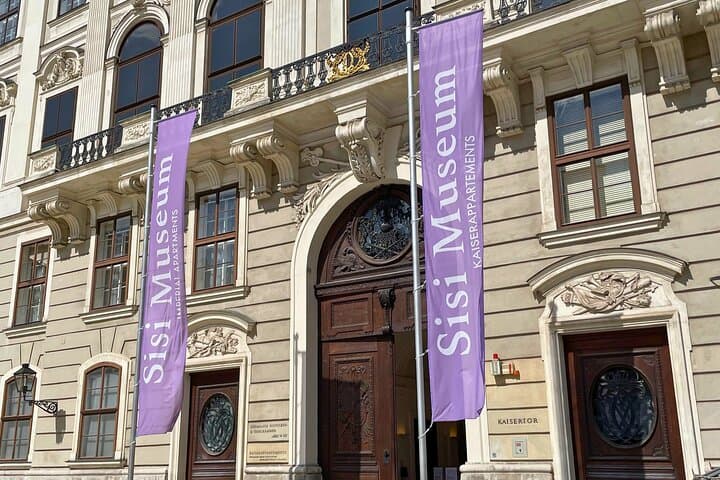
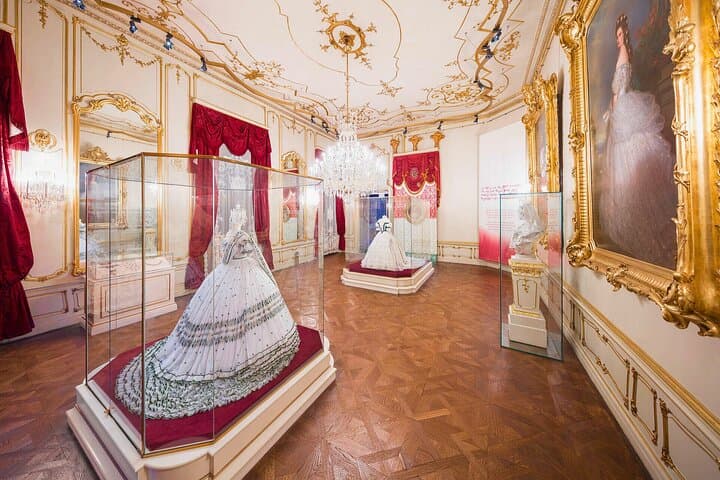
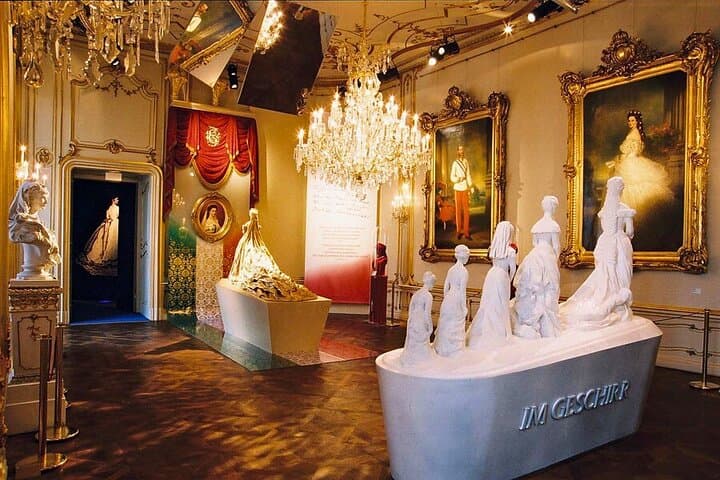
The Hofburg was the Habsburg power center for centuries, evolving from medieval stronghold to imperial palace; its rooms reflect Baroque and 19th-century tastes shaped by the dynasty’s reach. The Sisi Museum focuses on personal artifacts—clothing, letters, coiffure tools—that reveal a spirited, often constrained figure behind the myth.
Geology and city planning matter here: the palace sits on Vienna’s flat Danube basin, so expect paved courtyards and accessible paths rather than steep climbs. Culture is tactile; the city’s cafe life and classical music hang just beyond the palace gates, making the visit part of a broader urban day.
Practical guidance: the skip-the-line ticket reduces queue time but you’ll still pass security and walk between exhibits for roughly 2–3 hours. Wear comfortable shoes for polished floors and uneven thresholds, use the included audio guide available in multiple languages, and bring a mobile ticket. Photography rules vary by room—follow signage— and respect exhibit barriers. Morning slots can be quieter; afternoons tend to swell with groups. For anyone curious about imperial Europe, this visit pairs efficient logistics with a close-up look at one of Austria’s most vivid historical figures.
easy.
2–3 hours.
Suitable for most fitness levels—mostly walking on paved floors with short standing periods; minimal elevation change.
Yes—mobile or paper tickets are accepted; bring your booking confirmation to the entry scanner.
The Hofburg complex lists wheelchair accessibility, but some historic rooms may have steps—check access points and staff can advise alternate routes.
Infants are allowed but must sit on an adult’s lap per the booking rules; ticketing for children varies so confirm age bands during booking.
No—skip-the-line reduces queue time for ticket purchase/entry but visitors still pass standard security screening.
The Hofburg served as the Habsburgs’ political center for over 600 years; Empress Elisabeth’s life and style shaped late 19th-century court culture and public fascination.
High visitor numbers can strain interiors—follow signage, avoid touching exhibits, and use designated paths to protect historic finishes.
Binge Tours operates guided outdoor trips and adventures with an emphasis on safety, stewardship, and memorable experiences.
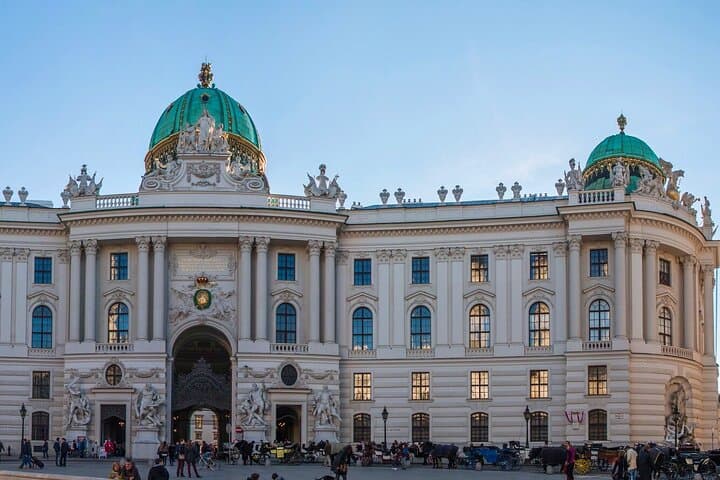
Stand on the cobbles of Michaelerplatz and feel the city’s pulse slow as you pass beneath the stone arches of the Hofburg. Light filters through the palace courtyards; fountains and statues mark the transition from Vienna’s busy Ringstraße to the hush of imperial rooms where Empress Elisabeth—Sisi—once moved through private salons and mirror-lined boudoirs.
Stand on the cobbles of Michaelerplatz and feel the city’s pulse slow as you pass beneath the stone arches of the Hofburg. Light filters through the palace courtyards; fountains and statues mark the transition from Vienna’s busy Ringstraße to the hush of imperial rooms where Empress Elisabeth—Sisi—once moved through private salons and mirror-lined boudoirs.
The Hofburg was the Habsburg power center for centuries, evolving from medieval stronghold to imperial palace; its rooms reflect Baroque and 19th-century tastes shaped by the dynasty’s reach. The Sisi Museum focuses on personal artifacts—clothing, letters, coiffure tools—that reveal a spirited, often constrained figure behind the myth.
Geology and city planning matter here: the palace sits on Vienna’s flat Danube basin, so expect paved courtyards and accessible paths rather than steep climbs. Culture is tactile; the city’s cafe life and classical music hang just beyond the palace gates, making the visit part of a broader urban day.
Practical guidance: the skip-the-line ticket reduces queue time but you’ll still pass security and walk between exhibits for roughly 2–3 hours. Wear comfortable shoes for polished floors and uneven thresholds, use the included audio guide available in multiple languages, and bring a mobile ticket. Photography rules vary by room—follow signage— and respect exhibit barriers. Morning slots can be quieter; afternoons tend to swell with groups. For anyone curious about imperial Europe, this visit pairs efficient logistics with a close-up look at one of Austria’s most vivid historical figures.