THE ADVENTURE COLLECTIVE® · Independent discovery and booking for outdoor travel

Beat the queues and spend a full day exploring Pompeii and Herculaneum with a local guide. Learn how the 79 AD eruption froze Roman daily life and get practical tips for navigating uneven streets and peak crowds.
Beat the queues and spend a full day exploring Pompeii and Herculaneum with a local guide. Learn how the 79 AD eruption froze Roman daily life and get practical tips for navigating uneven streets and peak crowds.
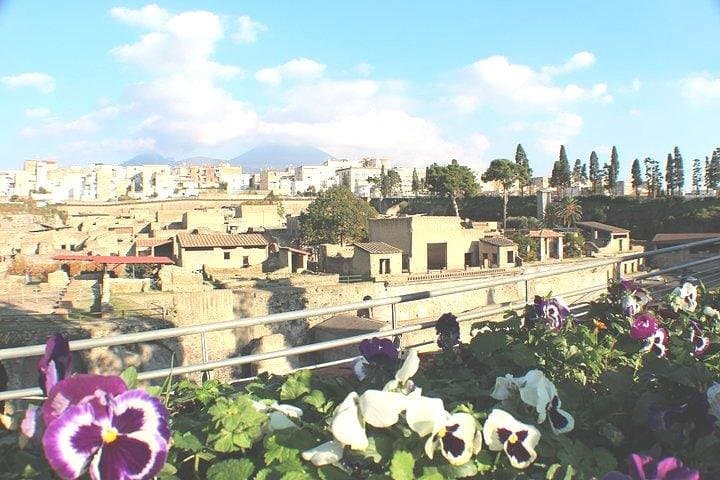
You step off the cruise ship and the air already tastes of salt and sun; within an hour the coastline recedes and Vesuvius dominates the horizon, a slow, volcanic shoulder watching over the Bay of Naples. Your guide leads a small group through the ticket gate—fast-track access removes the bustle—and suddenly you are walking the same streets Romans did before ash and pumice froze them in time.
Verified experiences and guided adventures in the surrounding area.
Operated by Tours of Pompeii with Lello & Co. · Pompeii, Campania
You step off the cruise ship and the air already tastes of salt and sun; within an hour the coastline recedes and Vesuvius dominates the horizon, a slow, volcanic shoulder watching over the Bay of Naples. Your guide leads a small group through the ticket gate—fast-track access removes the bustle—and suddenly you are walking the same streets Romans did before ash and pumice froze them in time.
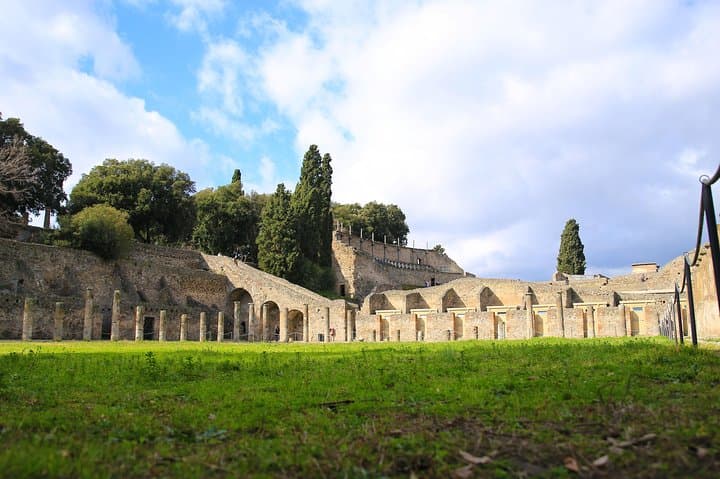
Pompeii and Herculaneum sit on opposite sides of the eruption of 79 AD, their ruins offering two complementary views of Roman life: Pompeii’s broad public spaces and preserved graffiti, Herculaneum’s timber-framed houses and delicate woodwork carbonized rather than crushed. Geology is part of the story—pyroclastic flows and lahars sealed organic material, creating an archaeological archive that still surprises researchers.
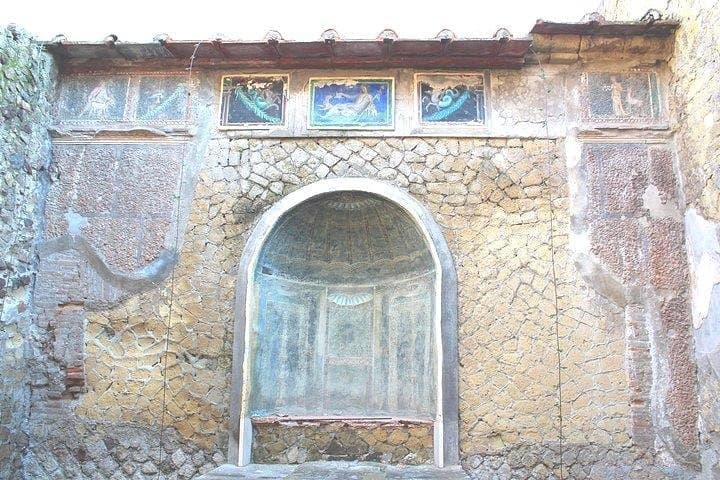
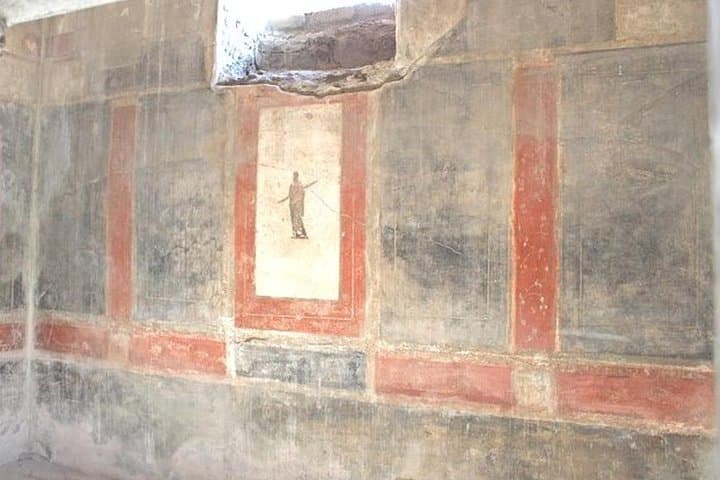
There’s local color at every turn: markets once loud with bartering, frescoed homes that reveal family priorities, and coastal villas with views toward Capri. Guides mix chronology with practical detail—how streets were laid out, how water ran through the city, and how excavation methods have evolved.
Practicalities: expect uneven basalt streets, dusty excavations, and crowded highlights rooms. Wear sturdy shoes, bring sun protection and a refillable water bottle, and allow about 2–3 hours in Pompeii and 1.5–2 hours in Herculaneum to see major sites. Early starts and skip-the-line access save time; bring cash for small museum shops and plan your return to the cruise terminal with at least a 90-minute buffer for disembarkation and port procedures.
moderate.
7–8 hours.
Moderate fitness; involves several hours of walking on uneven ground with brief elevation changes.
Pickup is arranged at the Naples cruise terminal and included in the transfer; confirm your ship arrival time when booking.
Both sites have uneven terrain and some steps; access is limited in parts, so it may be challenging for those with mobility restrictions.
Typically about 2–2.5 hours in Pompeii and 1.5–2 hours in Herculaneum during this full-day excursion.
Yes—skip-the-line admission tickets are included, allowing direct entry with your guide.
Pompeii and Herculaneum were buried by Mount Vesuvius in 79 AD; differing burial processes preserved different materials, giving archaeologists a layered view of Roman life.
Ongoing conservation balances visitor access with fragile ruins—stay on marked paths and follow guide instructions to limit wear and protect organic remains.
Tours of Pompeii with Lello & Co. operates guided outdoor trips and adventures with an emphasis on safety, stewardship, and memorable experiences.
You step off the cruise ship and the air already tastes of salt and sun; within an hour the coastline recedes and Vesuvius dominates the horizon, a slow, volcanic shoulder watching over the Bay of Naples. Your guide leads a small group through the ticket gate—fast-track access removes the bustle—and suddenly you are walking the same streets Romans did before ash and pumice froze them in time.
You step off the cruise ship and the air already tastes of salt and sun; within an hour the coastline recedes and Vesuvius dominates the horizon, a slow, volcanic shoulder watching over the Bay of Naples. Your guide leads a small group through the ticket gate—fast-track access removes the bustle—and suddenly you are walking the same streets Romans did before ash and pumice froze them in time.
Pompeii and Herculaneum sit on opposite sides of the eruption of 79 AD, their ruins offering two complementary views of Roman life: Pompeii’s broad public spaces and preserved graffiti, Herculaneum’s timber-framed houses and delicate woodwork carbonized rather than crushed. Geology is part of the story—pyroclastic flows and lahars sealed organic material, creating an archaeological archive that still surprises researchers.
There’s local color at every turn: markets once loud with bartering, frescoed homes that reveal family priorities, and coastal villas with views toward Capri. Guides mix chronology with practical detail—how streets were laid out, how water ran through the city, and how excavation methods have evolved.
Practicalities: expect uneven basalt streets, dusty excavations, and crowded highlights rooms. Wear sturdy shoes, bring sun protection and a refillable water bottle, and allow about 2–3 hours in Pompeii and 1.5–2 hours in Herculaneum to see major sites. Early starts and skip-the-line access save time; bring cash for small museum shops and plan your return to the cruise terminal with at least a 90-minute buffer for disembarkation and port procedures.