THE ADVENTURE COLLECTIVE® · Independent discovery and booking for outdoor travel

Take an eco-friendly express train from Berlin to Potsdam for a private guided walk through Sanssouci Palace and the city’s historic core. Avoid long lines with pre-booked entry and spend your day moving from palaces to promenades with an expert guide.
Take an eco-friendly express train from Berlin to Potsdam for a private guided walk through Sanssouci Palace and the city’s historic core. Avoid long lines with pre-booked entry and spend your day moving from palaces to promenades with an expert guide.
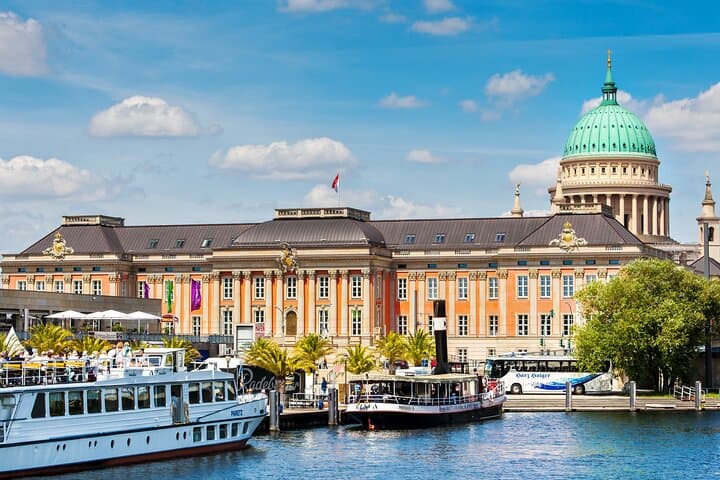
You step off the regional train and the city opens like a map of light and stone—broad promenades, a church dome cutting into sky, and a ribbon of park that draws you toward the palace. The guide leads the way, voice clear against the clack of tourists' footsteps, and Potsdam reveals itself as both garden and courtly project: an 18th-century experiment in landscape and power.
Verified experiences and guided adventures in the surrounding area.
Operated by Rosotravel - Munich · Potsdam, Brandenburg
You step off the regional train and the city opens like a map of light and stone—broad promenades, a church dome cutting into sky, and a ribbon of park that draws you toward the palace. The guide leads the way, voice clear against the clack of tourists' footsteps, and Potsdam reveals itself as both garden and courtly project: an 18th-century experiment in landscape and power.
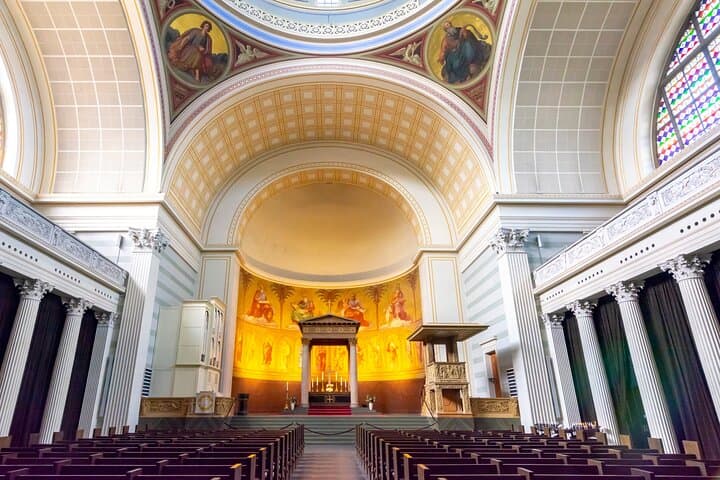
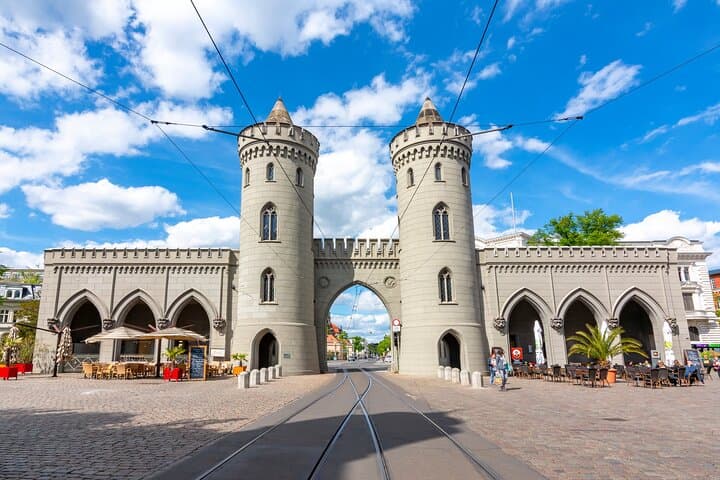
Potsdam sits on the Havel's low-lying lakes and river channels formed by glacial moraines; the palace gardens of Sanssouci were sculpted into those rolling grounds by Frederick the Great as a private retreat. Architecturally you move from Rococo interiors to Gothic Revival gates like the Nauener Tor, then through the ordered colonnades that once separated royal precincts from the town. The Dutch Quarter and St. Nicholas Church add layers of mercantile and ecclesiastical life to the royal narrative.
Practically, expect a comfortable day: round-trip regional train from Berlin (included), roughly 2–4 km of walking on paved park paths and cobbles, and minimal elevation—under 50 m cumulative gain. Skip-the-line tickets save time at Sanssouci, but allow for security checks and a reserved entry slot. Bring a transport card or ID, wear sturdy shoes, and leave a flexible afternoon to linger in cafés or ascend Belvedere on Pfingstberg for a city panorama. The guide will frame history and modern Potsdam in equal measure, and point you to local restaurants if you decide to stay longer. This is a low-impact, high-reward cultural walk where landscape and history push you forward.
easy.
6 hours.
Suitable for most travelers who can stand and walk for several hours; minimal hills.
Yes—round-trip regional train tickets from Berlin to Potsdam are included in the booking so you don’t need to purchase separate transit fare.
No—skip-the-line covers the ticket purchase and entry queue, but all visitors must pass security and bag checks at the palace entrance.
The tour notes wheelchair accessibility for transportation and many surfaces, but some historic interiors and garden paths may have limited access—contact the operator for specific needs.
Yes—the guide can return with you to the station or provide recommendations; round-trip train tickets are provided but you can choose to remain and return independently.
Sanssouci was commissioned by Frederick the Great in the 18th century as a private summer palace; Potsdam later became a center of Prussian court life and 19th-century urban development.
The palace gardens are managed to balance historic preservation with visitor access—stay on designated paths and follow posted rules to protect plantings and archaeological features.
Rosotravel - Munich operates guided outdoor trips and adventures with an emphasis on safety, stewardship, and memorable experiences.

You step off the regional train and the city opens like a map of light and stone—broad promenades, a church dome cutting into sky, and a ribbon of park that draws you toward the palace. The guide leads the way, voice clear against the clack of tourists' footsteps, and Potsdam reveals itself as both garden and courtly project: an 18th-century experiment in landscape and power.
You step off the regional train and the city opens like a map of light and stone—broad promenades, a church dome cutting into sky, and a ribbon of park that draws you toward the palace. The guide leads the way, voice clear against the clack of tourists' footsteps, and Potsdam reveals itself as both garden and courtly project: an 18th-century experiment in landscape and power.
Potsdam sits on the Havel's low-lying lakes and river channels formed by glacial moraines; the palace gardens of Sanssouci were sculpted into those rolling grounds by Frederick the Great as a private retreat. Architecturally you move from Rococo interiors to Gothic Revival gates like the Nauener Tor, then through the ordered colonnades that once separated royal precincts from the town. The Dutch Quarter and St. Nicholas Church add layers of mercantile and ecclesiastical life to the royal narrative.
Practically, expect a comfortable day: round-trip regional train from Berlin (included), roughly 2–4 km of walking on paved park paths and cobbles, and minimal elevation—under 50 m cumulative gain. Skip-the-line tickets save time at Sanssouci, but allow for security checks and a reserved entry slot. Bring a transport card or ID, wear sturdy shoes, and leave a flexible afternoon to linger in cafés or ascend Belvedere on Pfingstberg for a city panorama. The guide will frame history and modern Potsdam in equal measure, and point you to local restaurants if you decide to stay longer. This is a low-impact, high-reward cultural walk where landscape and history push you forward.