THE ADVENTURE COLLECTIVE® · Independent discovery and booking for outdoor travel

Skip the queues and enter Rodin’s world at Hôtel Biron: iconic bronzes, intimate galleries, and a sculpture garden that invites slow inspection. This practical guide helps you time your visit, choose upgrades, and make the most of a 1–4 hour cultural stop on Paris’s Left Bank.
Skip the queues and enter Rodin’s world at Hôtel Biron: iconic bronzes, intimate galleries, and a sculpture garden that invites slow inspection. This practical guide helps you time your visit, choose upgrades, and make the most of a 1–4 hour cultural stop on Paris’s Left Bank.
The gravel crunches underfoot as you push through the wrought-iron gate of Hôtel Biron and step into a Parisian garden where bronze and stone peer back at you. Sunlight picks out the musculature of The Thinker; a hedged path leads past weathered casts that seem to watch the city breathe. The visit unfolds like a short pilgrimage through Rodin’s studio world—intimate, tactile, deliberately human.
Verified experiences and guided adventures in the surrounding area.
Operated by My Travelons Ltd · Paris, Île-de-France
The gravel crunches underfoot as you push through the wrought-iron gate of Hôtel Biron and step into a Parisian garden where bronze and stone peer back at you. Sunlight picks out the musculature of The Thinker; a hedged path leads past weathered casts that seem to watch the city breathe. The visit unfolds like a short pilgrimage through Rodin’s studio world—intimate, tactile, deliberately human.
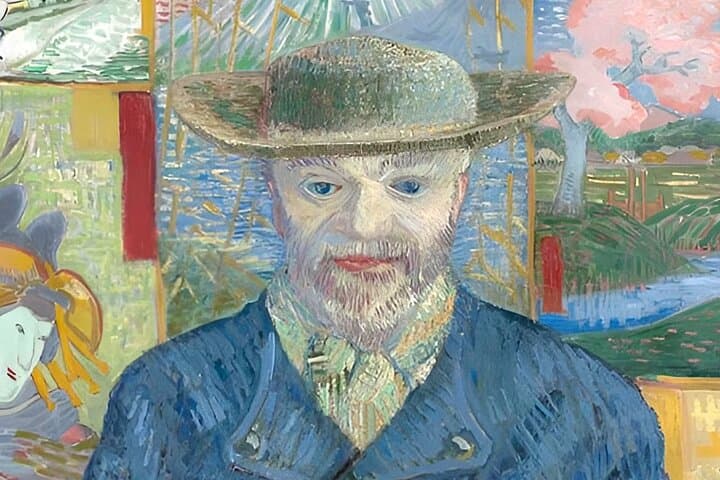
Hôtel Biron began life in the early 18th century and was converted into Rodin’s studio and residence in the late 19th century; he later donated the property to the French state. The museum pairs the sculptor’s late‑19th/early‑20th‑century realism with a surprising small collection of works by contemporaries—Van Gogh, Renoir—and pieces by Camille Claudel, his troubled muse and collaborator.
Geology here is civic: the gardens are sculpted terraces and lawns set on Paris’s Left Bank, where stone and bronze age gracefully under an urban sky. Local insight: visit before midday to catch softer light on the north lawn and shorter queues even with skip‑the‑line access.
Practical guidance: plan 60–240 minutes depending on whether you add the audio guide or a Seine cruise. Wear comfortable shoes to cover gravel paths and courtyard steps; bags are subject to inspection. Food options are limited—pack a light snack or plan a café stop nearby. Respect conservation rules: no touching sculptures, and keep to marked paths to protect planted borders. The museum is accessible by metro (Varenne, Rue du Bac) and offers a compact, high‑impact cultural experience that pairs well with a longer day exploring nearby museums and the Seine.
easy.
1–4 hours.
Minimal—able to stand and walk on paved and gravel surfaces for up to a few hours.
Yes—these tickets provide skip‑the‑line access to the Rodin Museum and Sculpture Garden, though security checks still apply.
Non‑flash photography is generally permitted in the gardens and some galleries, but check posted signs and staff instructions for restricted rooms.
Plan 1–2 hours for a focused visit; allow up to 4 hours if you add an audio guide and the Seine cruise option included with some tickets.
The museum has ramps and accessible routes for several areas, but some historic rooms and garden paths may be uneven—contact the museum ahead for specific assistance.
Hôtel Biron was built in the early 1700s; Rodin moved in at the end of the 19th century and bequeathed the house and collection to France in 1916.
The museum limits touching, enforces bag checks, and maintains the gardens with careful plantings to protect both sculptures and soil; follow signage to minimize wear on paths.
My Travelons Ltd operates guided outdoor trips and adventures with an emphasis on safety, stewardship, and memorable experiences.

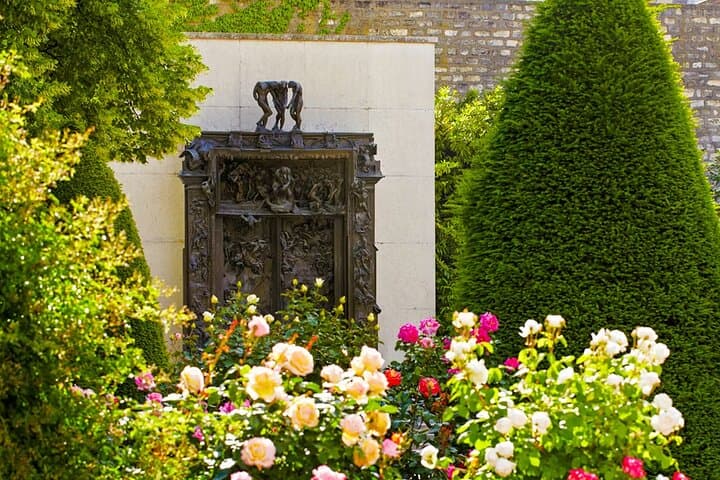

The gravel crunches underfoot as you push through the wrought-iron gate of Hôtel Biron and step into a Parisian garden where bronze and stone peer back at you. Sunlight picks out the musculature of The Thinker; a hedged path leads past weathered casts that seem to watch the city breathe. The visit unfolds like a short pilgrimage through Rodin’s studio world—intimate, tactile, deliberately human.
The gravel crunches underfoot as you push through the wrought-iron gate of Hôtel Biron and step into a Parisian garden where bronze and stone peer back at you. Sunlight picks out the musculature of The Thinker; a hedged path leads past weathered casts that seem to watch the city breathe. The visit unfolds like a short pilgrimage through Rodin’s studio world—intimate, tactile, deliberately human.
Hôtel Biron began life in the early 18th century and was converted into Rodin’s studio and residence in the late 19th century; he later donated the property to the French state. The museum pairs the sculptor’s late‑19th/early‑20th‑century realism with a surprising small collection of works by contemporaries—Van Gogh, Renoir—and pieces by Camille Claudel, his troubled muse and collaborator.
Geology here is civic: the gardens are sculpted terraces and lawns set on Paris’s Left Bank, where stone and bronze age gracefully under an urban sky. Local insight: visit before midday to catch softer light on the north lawn and shorter queues even with skip‑the‑line access.
Practical guidance: plan 60–240 minutes depending on whether you add the audio guide or a Seine cruise. Wear comfortable shoes to cover gravel paths and courtyard steps; bags are subject to inspection. Food options are limited—pack a light snack or plan a café stop nearby. Respect conservation rules: no touching sculptures, and keep to marked paths to protect planted borders. The museum is accessible by metro (Varenne, Rue du Bac) and offers a compact, high‑impact cultural experience that pairs well with a longer day exploring nearby museums and the Seine.