THE ADVENTURE COLLECTIVE® · Independent discovery and booking for outdoor travel

Skip the lines at Qasr Al Hosn and step directly into Abu Dhabi’s oldest monument: the 1795 Inner Fort, the 1940s Outer Palace, artisan workshops, and a traditional Arabic coffee ceremony. Expect a compact, accessible visit of about 60 minutes with strong cultural context.
Skip the lines at Qasr Al Hosn and step directly into Abu Dhabi’s oldest monument: the 1795 Inner Fort, the 1940s Outer Palace, artisan workshops, and a traditional Arabic coffee ceremony. Expect a compact, accessible visit of about 60 minutes with strong cultural context.
A low sun warms the pale stone of Qasr Al Hosn as visitors pass through the original gate and into a courtyard where the city’s past keeps its watch. The fort’s compact silhouette — a squat watchtower and layered walls — holds the cadence of Abu Dhabi’s transition from pearl-hunting coast to modern capital. Inside, rooms turn history into touchable detail: timber beams, carved doors, and displays that let you read centuries on a human scale.
Verified experiences and guided adventures in the surrounding area.
Operated by Vivatrek · Abu Dhabi, Abu Dhabi
A low sun warms the pale stone of Qasr Al Hosn as visitors pass through the original gate and into a courtyard where the city’s past keeps its watch. The fort’s compact silhouette — a squat watchtower and layered walls — holds the cadence of Abu Dhabi’s transition from pearl-hunting coast to modern capital. Inside, rooms turn history into touchable detail: timber beams, carved doors, and displays that let you read centuries on a human scale.
Qasr Al Hosn began as a defensive watchtower in 1795 and later grew into the 1940s Outer Palace; its archives and collections include artifacts that trace habitation on Abu Dhabi island back thousands of years. The complex also houses the House of Artisans, where craftsmen preserve reedwork, weaving, and metalwork techniques, and Bait Al Gahwa, which stages a traditional Arabic coffee ceremony.
Practicalities are simple: the skip-the-line ticket cuts wait times and admits you to both the Inner Fort and the restored Outer Palace; the visit is designed to take about 60 minutes. The route is flat and stroller-accessible, with short indoor and shaded outdoor sections — wear comfortable shoes and modest clothing out of respect. Mornings are cooler and quieter; late afternoons carry softer light for photography. Mobile tickets are accepted; service animals are permitted and public transport options run nearby. Bring water in summer, take your time at the House of Artisans, and allow a full hour to move through exhibits and the coffee ceremony without rushing.
easy.
1 hour.
Suitable for all fitness levels; mostly flat walking with some short indoor steps
The standard visit is designed for about 60 minutes, which covers the Inner Fort, Outer Palace exhibits, and the House of Artisans; allow extra time for the coffee ceremony.
No — mobile tickets are accepted, though paper copies also work if you prefer.
Yes — the route is primarily flat and stroller-accessible; some historic rooms have thresholds, so staff can advise on alternate routing.
Service animals are permitted on site; pets are not allowed except as service animals.
Qasr Al Hosn started as a 1795 watchtower that protected the island community and later expanded into the Outer Palace in the 1940s; archaeological finds in the complex reference human activity on Abu Dhabi island thousands of years ago.
Restoration projects at Qasr Al Hosn focus on conserving original fabric and traditional crafts; visitors are encouraged to follow signage and avoid touching fragile exhibits to limit wear.
Vivatrek operates guided outdoor trips and adventures with an emphasis on safety, stewardship, and memorable experiences.

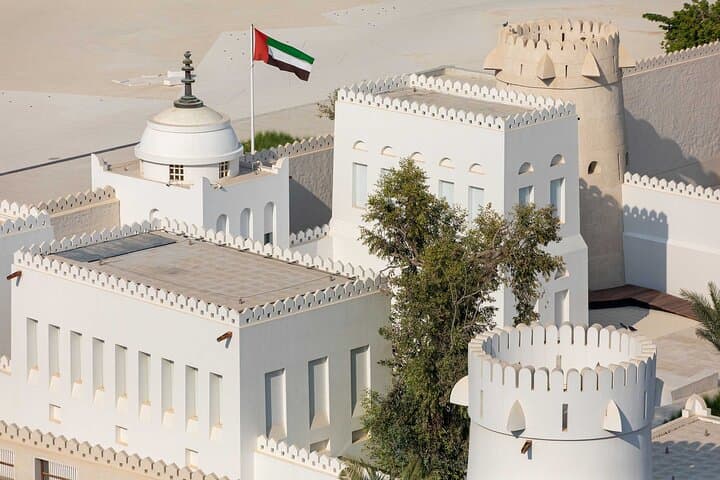
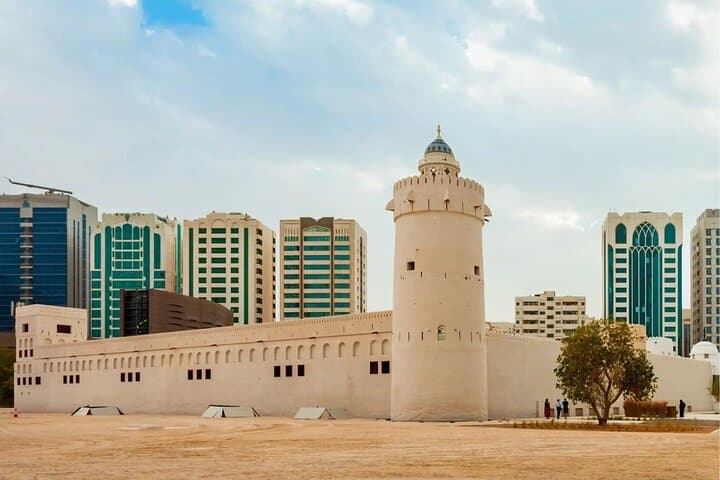
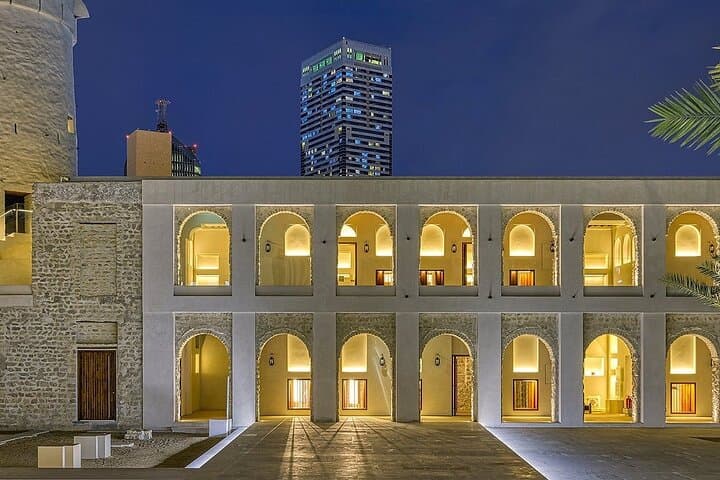
A low sun warms the pale stone of Qasr Al Hosn as visitors pass through the original gate and into a courtyard where the city’s past keeps its watch. The fort’s compact silhouette — a squat watchtower and layered walls — holds the cadence of Abu Dhabi’s transition from pearl-hunting coast to modern capital. Inside, rooms turn history into touchable detail: timber beams, carved doors, and displays that let you read centuries on a human scale.
A low sun warms the pale stone of Qasr Al Hosn as visitors pass through the original gate and into a courtyard where the city’s past keeps its watch. The fort’s compact silhouette — a squat watchtower and layered walls — holds the cadence of Abu Dhabi’s transition from pearl-hunting coast to modern capital. Inside, rooms turn history into touchable detail: timber beams, carved doors, and displays that let you read centuries on a human scale.
Qasr Al Hosn began as a defensive watchtower in 1795 and later grew into the 1940s Outer Palace; its archives and collections include artifacts that trace habitation on Abu Dhabi island back thousands of years. The complex also houses the House of Artisans, where craftsmen preserve reedwork, weaving, and metalwork techniques, and Bait Al Gahwa, which stages a traditional Arabic coffee ceremony.
Practicalities are simple: the skip-the-line ticket cuts wait times and admits you to both the Inner Fort and the restored Outer Palace; the visit is designed to take about 60 minutes. The route is flat and stroller-accessible, with short indoor and shaded outdoor sections — wear comfortable shoes and modest clothing out of respect. Mornings are cooler and quieter; late afternoons carry softer light for photography. Mobile tickets are accepted; service animals are permitted and public transport options run nearby. Bring water in summer, take your time at the House of Artisans, and allow a full hour to move through exhibits and the coffee ceremony without rushing.