THE ADVENTURE COLLECTIVE® · Independent discovery and booking for outdoor travel

Explore Pompeii’s main monuments in two hours with a local guide and skip-the-line entry. This small-group walk mixes archaeology, urban life and practical tips for seeing highlights without the wait.
Explore Pompeii’s main monuments in two hours with a local guide and skip-the-line entry. This small-group walk mixes archaeology, urban life and practical tips for seeing highlights without the wait.
You step through a low gate and the heat of Vesuvius' shadow washes over stone streets that still carry the prints of Roman sandals. For two hours a small group moves through Pompeii’s urban sprawl: a gymnasium where athletes trained, a temple’s carved lintel, ovens that once fed whole neighborhoods, and courtyards echoing with voices from two millennia ago.
Verified experiences and guided adventures in the surrounding area.
Operated by Private Tours of Pompeii · Pompeii, Campania
You step through a low gate and the heat of Vesuvius' shadow washes over stone streets that still carry the prints of Roman sandals. For two hours a small group moves through Pompeii’s urban sprawl: a gymnasium where athletes trained, a temple’s carved lintel, ovens that once fed whole neighborhoods, and courtyards echoing with voices from two millennia ago.
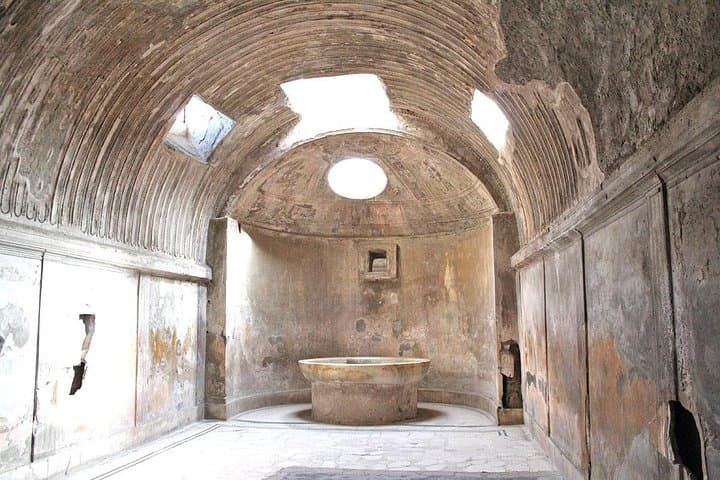
Pompeii froze in AD 79 when Mt. Vesuvius erupted, sealing streets, frescoes and municipal life beneath ash. The ruins are both archaeological trove and urban map — theaters, baths and brothels reveal daily routines and social structure in a Roman provincial city. Geology is part of the story: pumice and pyroclastic flows preserved organic shapes and cast victims’ final moments, giving modern researchers rare insight into Roman construction and urban planning.
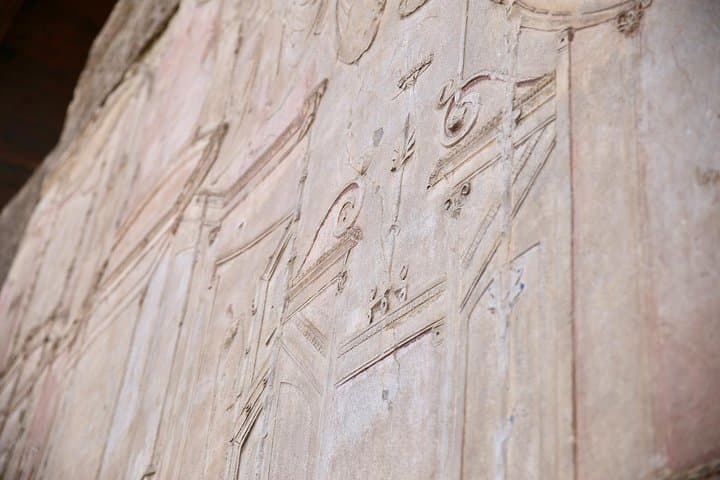
Culture here is tactile: mosaics advertise bakeries, graffiti argues politics, and temple altars mark devotional patterns that framed civic life. Local guides connect those fragments, translating material detail into stories of trade, food and faith while pointing out conservation challenges — fragile plaster and faded pigments that demand careful viewing.
Practical guidance: arrive ten minutes early with comfortable, grippy shoes for uneven volcanic paving, a refillable water bottle and sun protection. Tours use skip-the-line tickets but remain on a schedule — late arrivals risk losing entry. Best times are early morning or late afternoon for cooler light and thinner crowds. Keep to marked paths, avoid touching frescoes and leave extra time afterward to visit the Antiquarium or walk the modern town for locally made ceramics and retained flavors of Campania.
easy.
2 hours.
Suitable for most fitness levels; requires walking on uneven surfaces for two hours
This booking includes entrance tickets and skip-the-line access; present your confirmation at the meeting point with photo ID.
Some main routes are uneven and have steps; short sections are stroller-friendly but full wheelchair access is limited — contact the operator for specific accommodation options.
Small daypacks are allowed; eating inside the archaeological area is discouraged — use designated picnic areas outside the main ruins.
Guides must adhere to scheduled entry times; arrive at least 10 minutes early because latecomers may forfeit their spot and tickets remain booked for that start time.
Pompeii was buried by the AD 79 eruption of Vesuvius, preserving buildings, objects and daily life in volcanic ash and providing unparalleled archaeological evidence of Roman urban life.
Heavy visitor traffic accelerates wear on ancient pavements and frescoes; follow marked routes, avoid touching surfaces and support local conservation by using certified guides.
Private Tours of Pompeii operates guided outdoor trips and adventures with an emphasis on safety, stewardship, and memorable experiences.
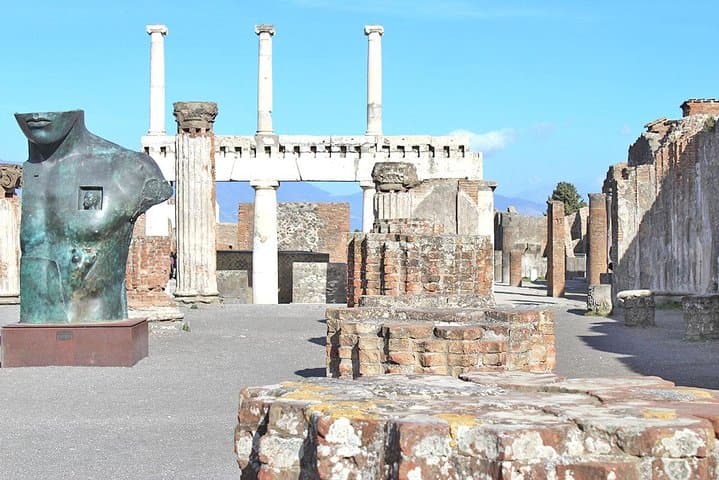
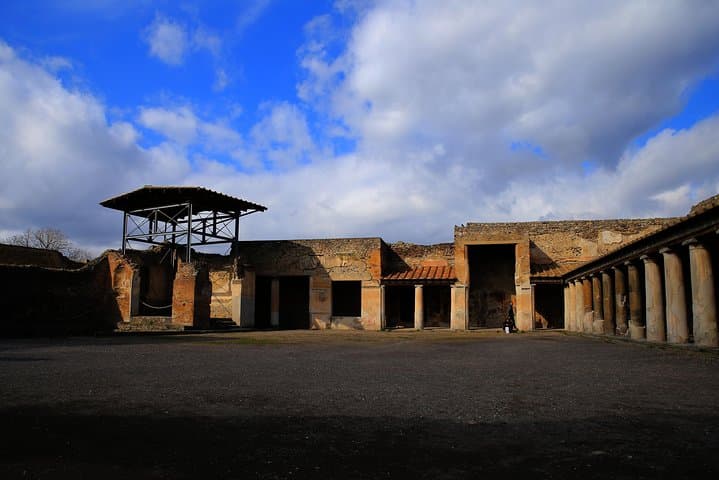
You step through a low gate and the heat of Vesuvius' shadow washes over stone streets that still carry the prints of Roman sandals. For two hours a small group moves through Pompeii’s urban sprawl: a gymnasium where athletes trained, a temple’s carved lintel, ovens that once fed whole neighborhoods, and courtyards echoing with voices from two millennia ago.
You step through a low gate and the heat of Vesuvius' shadow washes over stone streets that still carry the prints of Roman sandals. For two hours a small group moves through Pompeii’s urban sprawl: a gymnasium where athletes trained, a temple’s carved lintel, ovens that once fed whole neighborhoods, and courtyards echoing with voices from two millennia ago.
Pompeii froze in AD 79 when Mt. Vesuvius erupted, sealing streets, frescoes and municipal life beneath ash. The ruins are both archaeological trove and urban map — theaters, baths and brothels reveal daily routines and social structure in a Roman provincial city. Geology is part of the story: pumice and pyroclastic flows preserved organic shapes and cast victims’ final moments, giving modern researchers rare insight into Roman construction and urban planning.
Culture here is tactile: mosaics advertise bakeries, graffiti argues politics, and temple altars mark devotional patterns that framed civic life. Local guides connect those fragments, translating material detail into stories of trade, food and faith while pointing out conservation challenges — fragile plaster and faded pigments that demand careful viewing.
Practical guidance: arrive ten minutes early with comfortable, grippy shoes for uneven volcanic paving, a refillable water bottle and sun protection. Tours use skip-the-line tickets but remain on a schedule — late arrivals risk losing entry. Best times are early morning or late afternoon for cooler light and thinner crowds. Keep to marked paths, avoid touching frescoes and leave extra time afterward to visit the Antiquarium or walk the modern town for locally made ceramics and retained flavors of Campania.