THE ADVENTURE COLLECTIVE® · Independent discovery and booking for outdoor travel

Step inside the frozen streets of Pompeii with a private, skip-the-line guide. This 2.5-hour highlights tour delivers close views of baths, frescoes, and the Forum with art-historian commentary and fewer crowds.
Step inside the frozen streets of Pompeii with a private, skip-the-line guide. This 2.5-hour highlights tour delivers close views of baths, frescoes, and the Forum with art-historian commentary and fewer crowds.
Stone heat rises off the alleys as your group slips past the queue and steps into a city paused at the instant of disaster. Columns throw hard shadows across volcanic ash-pressed streets, and Mount Vesuvius watches from the horizon like an impatient neighbor. A private guide leads you through doorways still bearing faded frescoes, across public baths, and into the forum where daily Roman life reads like an open ledger.
Verified experiences and guided adventures in the surrounding area.
Operated by Herculaneum Tours · Pompeii, Campania
Stone heat rises off the alleys as your group slips past the queue and steps into a city paused at the instant of disaster. Columns throw hard shadows across volcanic ash-pressed streets, and Mount Vesuvius watches from the horizon like an impatient neighbor. A private guide leads you through doorways still bearing faded frescoes, across public baths, and into the forum where daily Roman life reads like an open ledger.
Pompeii was buried during Vesuvius's eruption in 79 A.D., and its quick burial preserved architecture, graffiti, and household objects that reveal social habits, crafts, and ritual. Geologically, the city sits on layers of pumice and pyroclastic deposits that sealed organic detail and created the plaster casts of human forms excavators later revealed. Culturally, the site is a cross-section of Roman urban design—forums, theatres, baths and brothels—each space showing how private and public life overlapped.
This 2.5-hour private tour focuses on highlights: Palestra, Temple of Isis, Stabian Baths, House of Menander and the Lupanaria. Expect uneven cobbles, exposed sun, and close-up views of fragile frescoes—respect ropes and no-touch rules. Practical advice: wear sturdy shoes, bring water and sun protection, and plan for 2–3 miles of walking. Early or late slots reduce heat and crowds; an art-historian guide deepens context and points out details you’d miss on your own. Leave time after the tour for the Antiquarium museum to see small finds and conservation work up close. With a guide and skip-the-line access, the ruins feel less like a tourist stop and more like a lived city briefly reopened.
moderate.
2.5 hours.
Able to walk 2–3 miles on uneven cobbles and stand for extended stretches; moderate mobility required.
Yes—this private experience includes skip-the-line admission so booking ahead secures entry and avoids long public lines.
Large areas of Pompeii have uneven terrain and steps; some sections are partially accessible, but full mobility may be limited—check with the operator for specific accommodations.
Photography for personal use is generally allowed, but flash and tripods may be restricted; do not use drone cameras over the site without permits.
Children are welcome but must be accompanied by an adult; the tour pace and safety on uneven ground should be considered for young kids.
Pompeii was rapidly buried by ash and pumice in 79 A.D., preserving domestic interiors and urban infrastructure that reveal daily Roman life.
Preservation is ongoing; visitor impact, weathering, and previous excavation methods create challenges—follow guidance, avoid touching surfaces, and support local conservation efforts.
Herculaneum Tours operates guided outdoor trips and adventures with an emphasis on safety, stewardship, and memorable experiences.
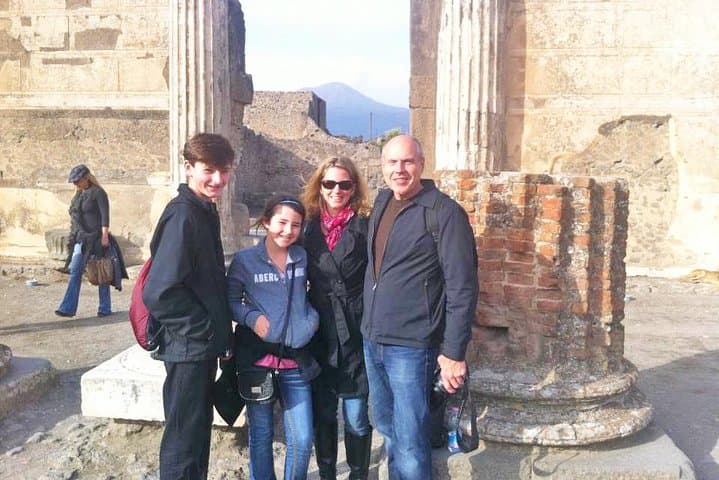
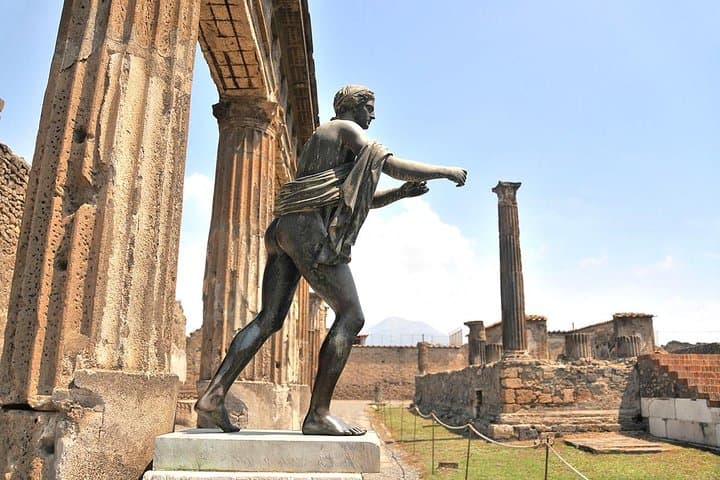
Stone heat rises off the alleys as your group slips past the queue and steps into a city paused at the instant of disaster. Columns throw hard shadows across volcanic ash-pressed streets, and Mount Vesuvius watches from the horizon like an impatient neighbor. A private guide leads you through doorways still bearing faded frescoes, across public baths, and into the forum where daily Roman life reads like an open ledger.
Stone heat rises off the alleys as your group slips past the queue and steps into a city paused at the instant of disaster. Columns throw hard shadows across volcanic ash-pressed streets, and Mount Vesuvius watches from the horizon like an impatient neighbor. A private guide leads you through doorways still bearing faded frescoes, across public baths, and into the forum where daily Roman life reads like an open ledger.
Pompeii was buried during Vesuvius's eruption in 79 A.D., and its quick burial preserved architecture, graffiti, and household objects that reveal social habits, crafts, and ritual. Geologically, the city sits on layers of pumice and pyroclastic deposits that sealed organic detail and created the plaster casts of human forms excavators later revealed. Culturally, the site is a cross-section of Roman urban design—forums, theatres, baths and brothels—each space showing how private and public life overlapped.
This 2.5-hour private tour focuses on highlights: Palestra, Temple of Isis, Stabian Baths, House of Menander and the Lupanaria. Expect uneven cobbles, exposed sun, and close-up views of fragile frescoes—respect ropes and no-touch rules. Practical advice: wear sturdy shoes, bring water and sun protection, and plan for 2–3 miles of walking. Early or late slots reduce heat and crowds; an art-historian guide deepens context and points out details you’d miss on your own. Leave time after the tour for the Antiquarium museum to see small finds and conservation work up close. With a guide and skip-the-line access, the ruins feel less like a tourist stop and more like a lived city briefly reopened.