THE ADVENTURE COLLECTIVE® · Independent discovery and booking for outdoor travel

Bypass the queues and walk straight into Pompeii with a licensed guide. This 1–2 hour tour hits the Forum, villas and frescoed houses while explaining daily Roman life and the eruption that preserved them.
Bypass the queues and walk straight into Pompeii with a licensed guide. This 1–2 hour tour hits the Forum, villas and frescoed houses while explaining daily Roman life and the eruption that preserved them.
You step through a low stone arch and the modern world falls away: uneven flagstones lead into a grid of silent streets, doorways framing frescoes that still hold their color. The air carries the mineral tang of ash long settled and the distant silhouette of Mount Vesuvius watches over the town like a sleeping giant daring you to look back.
Verified experiences and guided adventures in the surrounding area.
Operated by Trip Knox Ltd · Pompeii, Campania
You step through a low stone arch and the modern world falls away: uneven flagstones lead into a grid of silent streets, doorways framing frescoes that still hold their color. The air carries the mineral tang of ash long settled and the distant silhouette of Mount Vesuvius watches over the town like a sleeping giant daring you to look back.
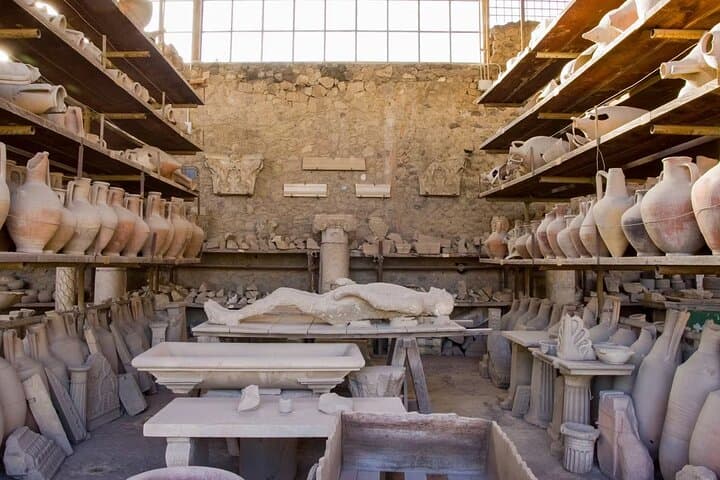
Pompeii was frozen in 79 AD when Vesuvius erupted, burying homes, temples and markets beneath meters of pumice and ash. Archaeology here blends geology and daily life — you’ll see plaster casts of residents caught mid-motion, mosaics showing shop signs, and basilicas that reveal Roman civic life. The organized grid reflects Roman city planning; terraces and stone drains speak to engineering skill that endured beneath the ash.
A licensed guide steers you to the site’s highlights: the Forum, Villa of the Mysteries, and well-preserved domestic interiors. Expect clear verbal context about religion, commerce and the eruption alongside practical notes on reading the site: fresco conservation, ongoing digs, and why some walls remain vivid while others crumble.
Practical guidance: skip-the-line access saves time but plan 60–120 minutes if you want a thorough visit. Wear sturdy shoes—paths are uneven—and bring sun protection; shade is limited. Hydrate, carry a lightweight layer for coastal breezes, and keep a respectful distance from frescoes and fragile ruins. Public transport and short taxis connect from nearby towns, making Pompeii an accessible half-day cultural outing that pairs history with a raw, geological reminder of nature’s force.
easy.
1–2 hours.
Light walking; suitable for most fitness levels but requires mobility for uneven ground and short climbs
This guided visit typically lasts 60–120 minutes depending on group size and pace; plan for up to half a day if you want extra time to explore independently.
Many areas have uneven surfaces and steps; while there are accessible paths and some viewpoints, full access is limited—contact the operator or park for specific arrangements.
Yes—photography for personal use is allowed, but flash and tripods may be restricted in sensitive areas to protect frescoes.
Frequent regional trains (Circumvesuviana) and tour buses link Naples and Sorrento to Pompeii; taxis and private transfers are also available for more direct service.
Pompeii’s rapid burial in 79 AD preserved domestic art and urban layout, giving a rare snapshot of Roman daily life and municipal planning.
The site manages visitor impact through designated paths and ongoing conservation projects; sticking to marked routes and not touching surfaces helps protect fragile archaeological layers.
Trip Knox Ltd operates guided outdoor trips and adventures with an emphasis on safety, stewardship, and memorable experiences.
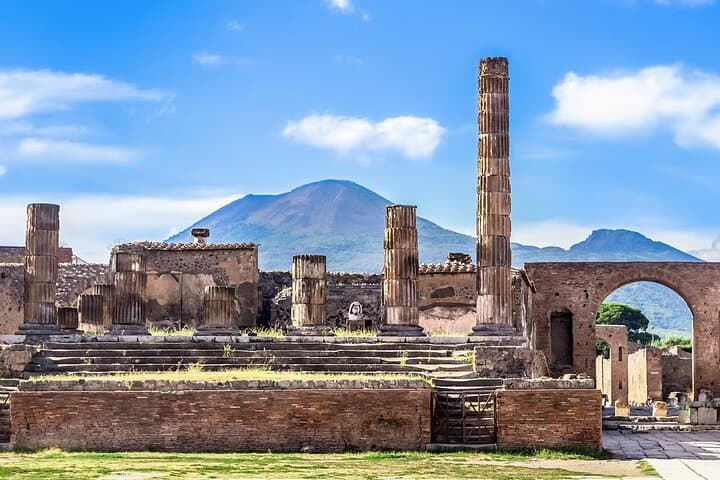
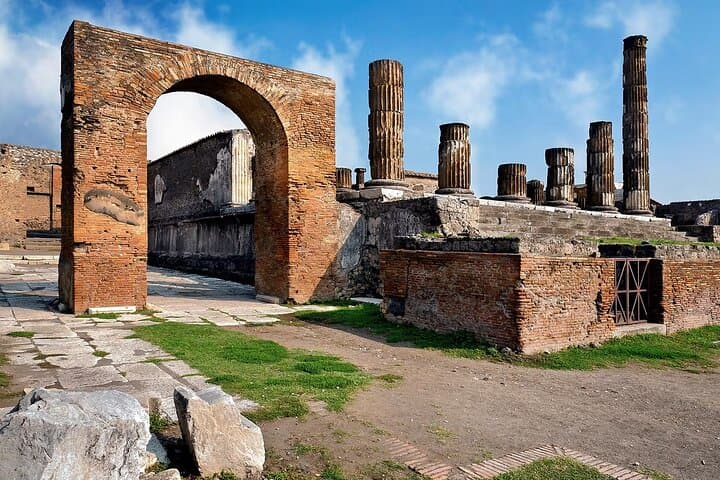
You step through a low stone arch and the modern world falls away: uneven flagstones lead into a grid of silent streets, doorways framing frescoes that still hold their color. The air carries the mineral tang of ash long settled and the distant silhouette of Mount Vesuvius watches over the town like a sleeping giant daring you to look back.
You step through a low stone arch and the modern world falls away: uneven flagstones lead into a grid of silent streets, doorways framing frescoes that still hold their color. The air carries the mineral tang of ash long settled and the distant silhouette of Mount Vesuvius watches over the town like a sleeping giant daring you to look back.
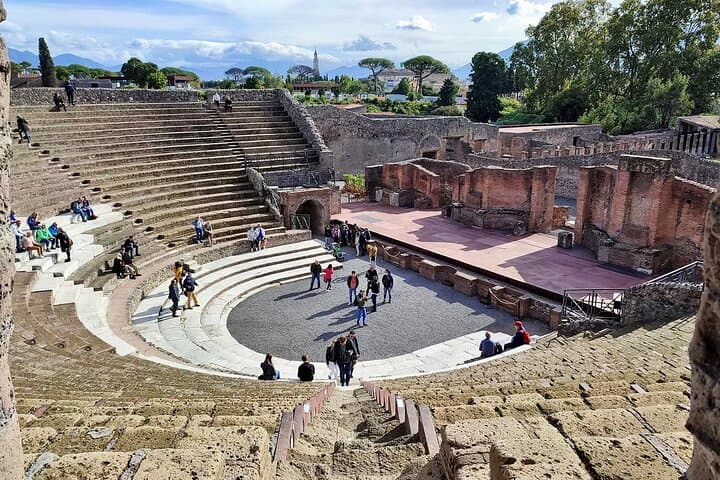
Pompeii was frozen in 79 AD when Vesuvius erupted, burying homes, temples and markets beneath meters of pumice and ash. Archaeology here blends geology and daily life — you’ll see plaster casts of residents caught mid-motion, mosaics showing shop signs, and basilicas that reveal Roman civic life. The organized grid reflects Roman city planning; terraces and stone drains speak to engineering skill that endured beneath the ash.
A licensed guide steers you to the site’s highlights: the Forum, Villa of the Mysteries, and well-preserved domestic interiors. Expect clear verbal context about religion, commerce and the eruption alongside practical notes on reading the site: fresco conservation, ongoing digs, and why some walls remain vivid while others crumble.
Practical guidance: skip-the-line access saves time but plan 60–120 minutes if you want a thorough visit. Wear sturdy shoes—paths are uneven—and bring sun protection; shade is limited. Hydrate, carry a lightweight layer for coastal breezes, and keep a respectful distance from frescoes and fragile ruins. Public transport and short taxis connect from nearby towns, making Pompeii an accessible half-day cultural outing that pairs history with a raw, geological reminder of nature’s force.