THE ADVENTURE COLLECTIVE® · Independent discovery and booking for outdoor travel

Walk Pompeii with an archaeologist and see the city’s top highlights in two hours. This skip-the-line small group tour translates streets, houses and frescoes into the lived reality of Roman life while offering practical tips for visitors.
Walk Pompeii with an archaeologist and see the city’s top highlights in two hours. This skip-the-line small group tour translates streets, houses and frescoes into the lived reality of Roman life while offering practical tips for visitors.
You step through a stone gateway and the Roman city opens like a map frozen in motion: streets scored by cart ruts, shop thresholds still worn smooth, frescoed walls catching the light. An archaeologist leads the group, pointing out domestic details that turn ruins into a working city — bakeries with ovens, the palestra where bodies trained, the forum where markets traded news.
Verified experiences and guided adventures in the surrounding area.
Operated by Tours of Pompeii with Lello & Co. · Pompeii, Campania
You step through a stone gateway and the Roman city opens like a map frozen in motion: streets scored by cart ruts, shop thresholds still worn smooth, frescoed walls catching the light. An archaeologist leads the group, pointing out domestic details that turn ruins into a working city — bakeries with ovens, the palestra where bodies trained, the forum where markets traded news.
Pompeii’s story is geological and human: a violent eruption of Mt. Vesuvius in 79 A.D. buried the town under ash and pumice, preserving daily life in uncanny detail. The volcanic soils around the Bay of Naples explain why a thriving colonial economy once clustered here; the same ash that destroyed it became the archive archaeologists read today.
Culturally, Pompeii reflects Roman urban routines — baths, theatres, taverns — and social realities from elite houses to the Lupanare, the city’s red-light district. Small-group tours with an archaeological guide bring these layers into focus, translating fresco motifs, plumbing systems and graffiti into stories.
Practical guidance: wear sturdy shoes — original paving is uneven — and bring water and sun protection; much of the site is exposed. Two hours covers core highlights: House of Menander, baths, theatre complexes and the forum, with time for questions. Expect moderate walking on stone streets and some standing during explanations. IDs and matching booking names are required at entry. The skip-the-line format saves time but arrive on schedule: tours adhere strictly to start times. With a good guide, Pompeii stops being a list of ruins and becomes a lived city again — raw, human and vividly present.
moderate.
2 hours.
Moderate — able to walk 2–3 miles on uneven, cobbled surfaces and stand for periods while listening to the guide
The tour is two hours and focuses on Pompeii’s main sights — the forum, baths, theatre, House of Menander and the Lupanare — with archaeological interpretation.
Yes, skip-the-line admission is included and the guide manages access so you avoid the main ticket queue.
Children can join but must be accompanied by an adult; the site has uneven ground and limited accessibility, so those with significant mobility issues should check routes in advance.
Comfortable closed-toe shoes, water, sun protection, and a light jacket; dress code advised as smart casual but prioritize comfort for walking.
Pompeii was buried by Mt. Vesuvius in 79 A.D.; the rapid burial preserved buildings, frescoes and everyday objects that reveal Roman urban life.
The site faces erosion from weather and visitor pressure; follow paths, avoid touching frescoes and use guided tours to minimize impact.
Tours of Pompeii with Lello & Co. operates guided outdoor trips and adventures with an emphasis on safety, stewardship, and memorable experiences.
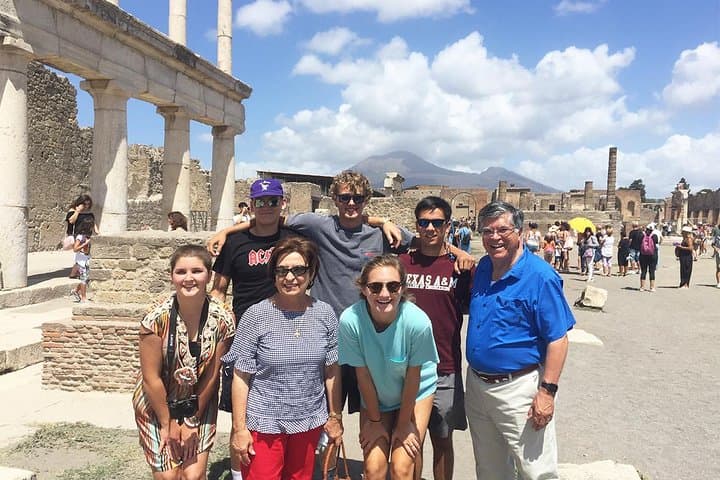
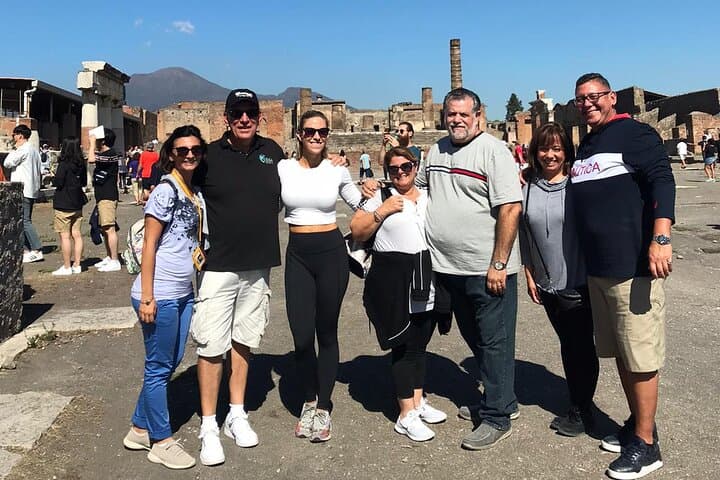
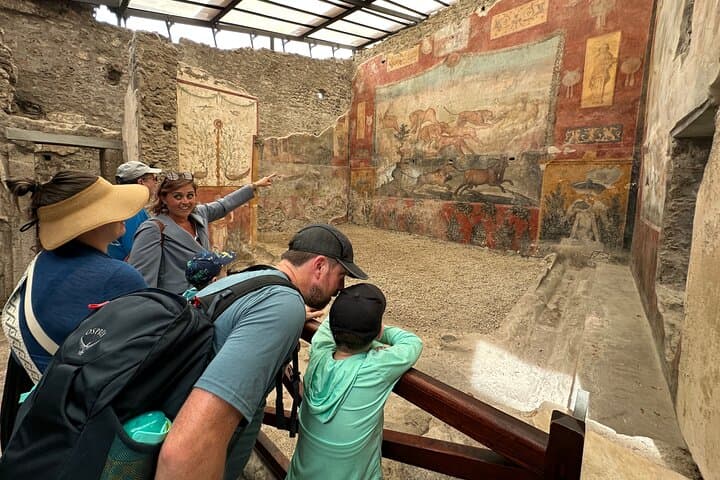
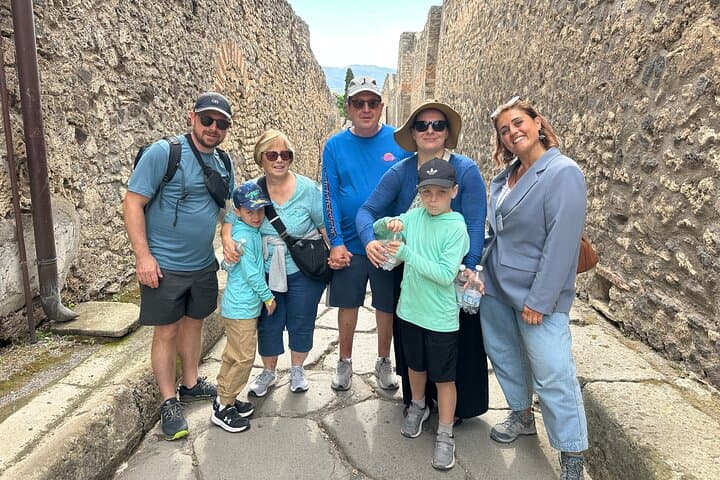
You step through a stone gateway and the Roman city opens like a map frozen in motion: streets scored by cart ruts, shop thresholds still worn smooth, frescoed walls catching the light. An archaeologist leads the group, pointing out domestic details that turn ruins into a working city — bakeries with ovens, the palestra where bodies trained, the forum where markets traded news.
You step through a stone gateway and the Roman city opens like a map frozen in motion: streets scored by cart ruts, shop thresholds still worn smooth, frescoed walls catching the light. An archaeologist leads the group, pointing out domestic details that turn ruins into a working city — bakeries with ovens, the palestra where bodies trained, the forum where markets traded news.
Pompeii’s story is geological and human: a violent eruption of Mt. Vesuvius in 79 A.D. buried the town under ash and pumice, preserving daily life in uncanny detail. The volcanic soils around the Bay of Naples explain why a thriving colonial economy once clustered here; the same ash that destroyed it became the archive archaeologists read today.
Culturally, Pompeii reflects Roman urban routines — baths, theatres, taverns — and social realities from elite houses to the Lupanare, the city’s red-light district. Small-group tours with an archaeological guide bring these layers into focus, translating fresco motifs, plumbing systems and graffiti into stories.
Practical guidance: wear sturdy shoes — original paving is uneven — and bring water and sun protection; much of the site is exposed. Two hours covers core highlights: House of Menander, baths, theatre complexes and the forum, with time for questions. Expect moderate walking on stone streets and some standing during explanations. IDs and matching booking names are required at entry. The skip-the-line format saves time but arrive on schedule: tours adhere strictly to start times. With a good guide, Pompeii stops being a list of ruins and becomes a lived city again — raw, human and vividly present.