THE ADVENTURE COLLECTIVE® · Independent discovery and booking for outdoor travel

Skip the queues and step straight into Pena Palace’s painted towers and the surrounding Parque da Pena. This practical guide explains what to expect—history, terrain, and how to plan a smooth 3-hour visit.
Skip the queues and step straight into Pena Palace’s painted towers and the surrounding Parque da Pena. This practical guide explains what to expect—history, terrain, and how to plan a smooth 3-hour visit.
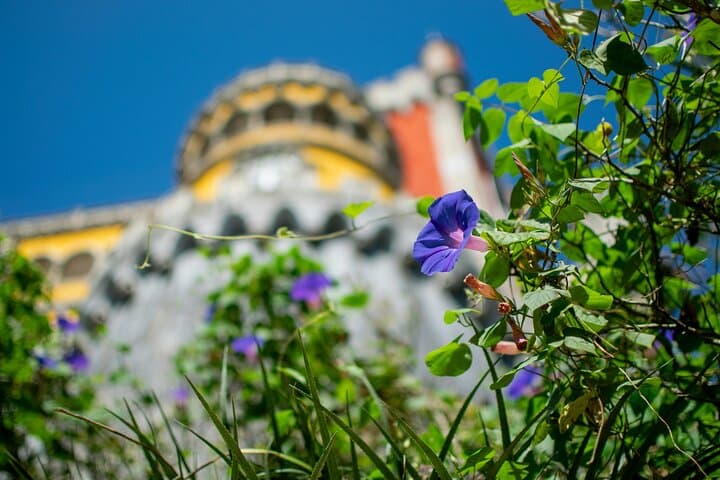
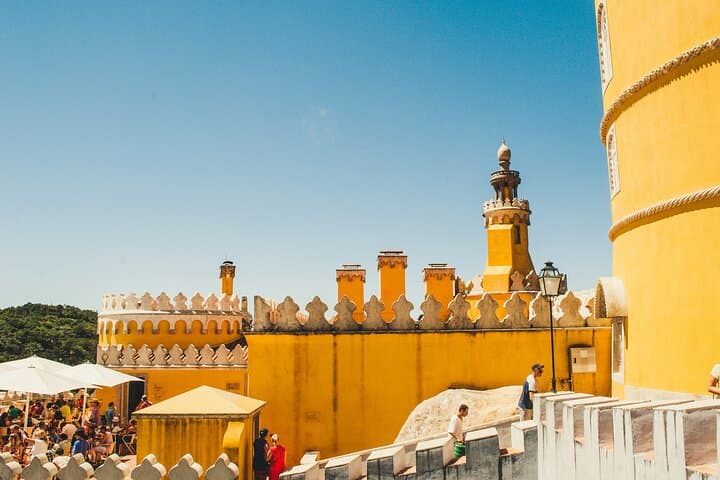
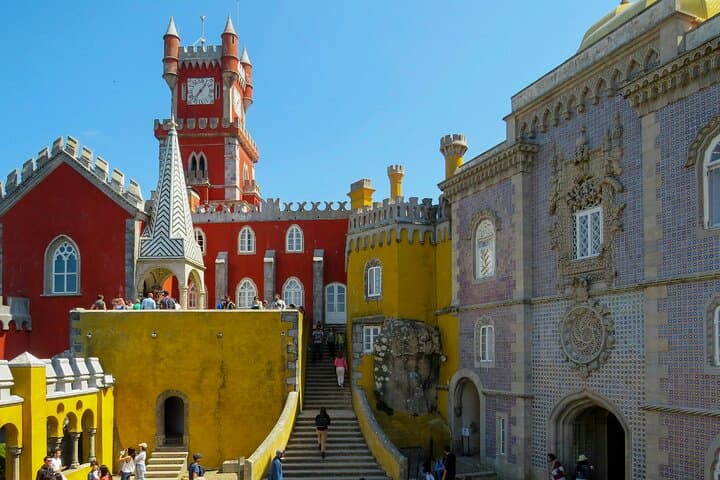
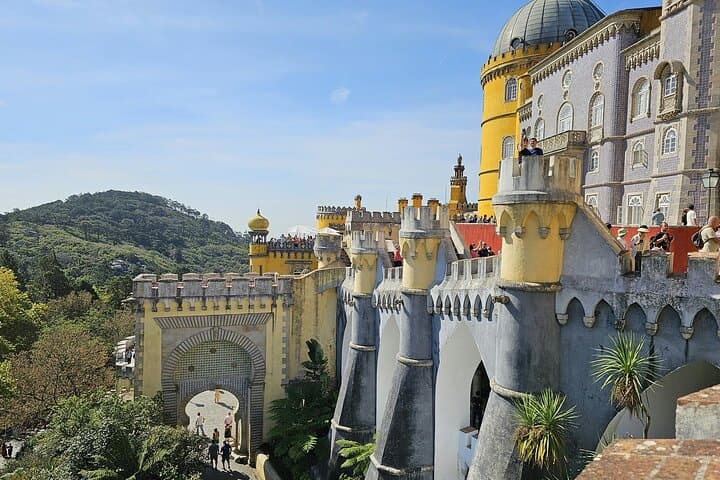
A gray morning in the Sintra Hills clears as you crest the last switchback and Pena Palace appears like a fair-weathering citadel: ochre and crimson walls catching sun, battlements cutting the sky. The surrounding park breathes cool, damp air; stone paths climb and fall, and pines press close enough to whisper as you walk.
Verified experiences and guided adventures in the surrounding area.
Operated by Tourrr.com · Sintra, Lisbon District
A gray morning in the Sintra Hills clears as you crest the last switchback and Pena Palace appears like a fair-weathering citadel: ochre and crimson walls catching sun, battlements cutting the sky. The surrounding park breathes cool, damp air; stone paths climb and fall, and pines press close enough to whisper as you walk.
Built in the 19th century by King Ferdinand II atop the remains of a Manueline monastery, Pena Palace mixes Romantic-era flourishes with medieval motifs—watchtowers, a drawbridge-like entrance and painted facades that read as deliberate theater. Geologically the palace sits on the rugged Sintra massif, where ancient granitic outcrops push through a mantle of greener slopes, creating abrupt elevations and lookout points that reward short, steep climbs.
Culturally, the palace is a focal point of Sintra’s royal past and a UNESCO World Heritage landscape; the park was planted with exotic species collected during Portugal’s global maritime era, so you’ll spot non-native trees alongside native cork oaks.
Practical guidance: the skip-the-line ticket grants direct entry to the palace and access to Pena Park but doesn’t eliminate walking—expect uneven stone steps and some steep approaches. Arrive early to avoid the busiest hours, carry water and a rain layer (weather shifts fast on the hill), and allow roughly three hours to explore palace interiors and park trails at a steady pace. Public transport and shuttle options run from Sintra town center; wear grippy shoes and plan for stair-climbing and narrow paths. With a little preparation, the visit balances architectural spectacle and a short, invigorating outdoor walk.
easy.
3 hours.
Basic fitness for short uphill walks and stair climbs; suitable for most travelers who can manage uneven ground
Skip-the-line tickets prioritize entry but do not guarantee zero wait during peak times; they bypass the main ticket queue for admissions included in the booking.
Access inside the palace involves stairs and narrow rooms; parts of the park are on steep terrain—those with limited mobility should consider shuttle services and check specific accessibility options before booking.
Plan about three hours to visit palace interiors and walk several park viewpoints at a steady pace; more time is needed if you want extensive hiking in the park.
Photography is generally allowed in exterior and many public areas, but some interior rooms may restrict flash or tripods—follow posted rules and staff instructions.
Pena Palace was commissioned by King Ferdinand II in the 19th century on the ruins of a 16th-century monastery, blending Romantic eclecticism with medieval motifs.
Pena Park is managed to protect both historic landscaping and introduced species; visitors are asked to stick to paths to limit erosion and avoid disturbing planted specimens.
Tourrr.com operates guided outdoor trips and adventures with an emphasis on safety, stewardship, and memorable experiences.
A gray morning in the Sintra Hills clears as you crest the last switchback and Pena Palace appears like a fair-weathering citadel: ochre and crimson walls catching sun, battlements cutting the sky. The surrounding park breathes cool, damp air; stone paths climb and fall, and pines press close enough to whisper as you walk.
A gray morning in the Sintra Hills clears as you crest the last switchback and Pena Palace appears like a fair-weathering citadel: ochre and crimson walls catching sun, battlements cutting the sky. The surrounding park breathes cool, damp air; stone paths climb and fall, and pines press close enough to whisper as you walk.
Built in the 19th century by King Ferdinand II atop the remains of a Manueline monastery, Pena Palace mixes Romantic-era flourishes with medieval motifs—watchtowers, a drawbridge-like entrance and painted facades that read as deliberate theater. Geologically the palace sits on the rugged Sintra massif, where ancient granitic outcrops push through a mantle of greener slopes, creating abrupt elevations and lookout points that reward short, steep climbs.
Culturally, the palace is a focal point of Sintra’s royal past and a UNESCO World Heritage landscape; the park was planted with exotic species collected during Portugal’s global maritime era, so you’ll spot non-native trees alongside native cork oaks.
Practical guidance: the skip-the-line ticket grants direct entry to the palace and access to Pena Park but doesn’t eliminate walking—expect uneven stone steps and some steep approaches. Arrive early to avoid the busiest hours, carry water and a rain layer (weather shifts fast on the hill), and allow roughly three hours to explore palace interiors and park trails at a steady pace. Public transport and shuttle options run from Sintra town center; wear grippy shoes and plan for stair-climbing and narrow paths. With a little preparation, the visit balances architectural spectacle and a short, invigorating outdoor walk.