THE ADVENTURE COLLECTIVE® · Independent discovery and booking for outdoor travel

Skip the line at Musée d'Orsay and spend your time with Monet, Van Gogh and Degas instead of waiting outside. This fast-track ticket gives direct access to the museum housed in a former Beaux-Arts train station and helps you make the most of a limited Paris itinerary.
Skip the line at Musée d'Orsay and spend your time with Monet, Van Gogh and Degas instead of waiting outside. This fast-track ticket gives direct access to the museum housed in a former Beaux-Arts train station and helps you make the most of a limited Paris itinerary.
Stepping through the Orsay's cast-iron doors feels like walking into a paused moment of Paris — a vaulted glass roof above, the great clockface watching the Seine, and light brushing gilt frames. Visitors moving past the old departure boards exchange hurried glances with canvases that slowed time: impressionist strokes, bold Van Gogh swirls, and the soft luminosity of Monet.
Verified experiences and guided adventures in the surrounding area.
Operated by Trip Knox Ltd · Paris, Île-de-France
Stepping through the Orsay's cast-iron doors feels like walking into a paused moment of Paris — a vaulted glass roof above, the great clockface watching the Seine, and light brushing gilt frames. Visitors moving past the old departure boards exchange hurried glances with canvases that slowed time: impressionist strokes, bold Van Gogh swirls, and the soft luminosity of Monet.
The building began life as Gare d'Orsay, a Beaux-Arts railway terminal completed for the 1900 Exposition Universelle. Reborn in 1986 as a museum, its architecture frames late 19th- and early 20th-century art: impressionism, post-impressionism, sculpture, and decorative arts. Its galleries chart a cultural shift — industrial age techniques, city life, and changing perspectives on light and form.
For travelers the practical payoff of fast-track tickets is immediate: bypassing queues leaves more minutes with masterpieces and less standing-room theater. The museum accepts mobile or printed vouchers and offers an optional audio guide via app. Cloakroom and accessible elevators smooth logistics for strollers and mobility needs.
Plan on 1–3 hours depending on focus; prioritize wings rather than trying to see everything. Mornings just after opening and late afternoons often carry fewer groups. Security checks and bag size limits apply — leave large suitcases at accommodation. Combine a visit with a Seine-side walk or the Tuileries to compare 19th-century visions of Paris.
Fast-track tickets are best when museum days are crowded or time is limited — they trade a small premium for a calmer, more focused visit among some of the era’s defining works.
easy.
1–4 hours.
Suitable for all fitness levels; involves standing and walking on multiple floors
They provide priority access to the entry queue but do not bypass security checks; brief waits are possible during peak times.
Audio guides are typically an optional add-on via the museum’s app; check ticket options when booking.
Yes — Musée d'Orsay has elevators and accessible routes; staff can assist with access and the cloakroom accepts small mobility aids.
This product offers free cancellation up to 24 hours before the scheduled visit; check the booking terms for full details.
Housed in the former Gare d'Orsay, the museum opened in 1986 to showcase art from 1848 to 1914, bridging the academic and modern eras.
The museum uses climate-controlled galleries and regulated lighting to preserve fragile works; visitors can help by minimizing flash photography and following signage.
Trip Knox Ltd operates guided outdoor trips and adventures with an emphasis on safety, stewardship, and memorable experiences.

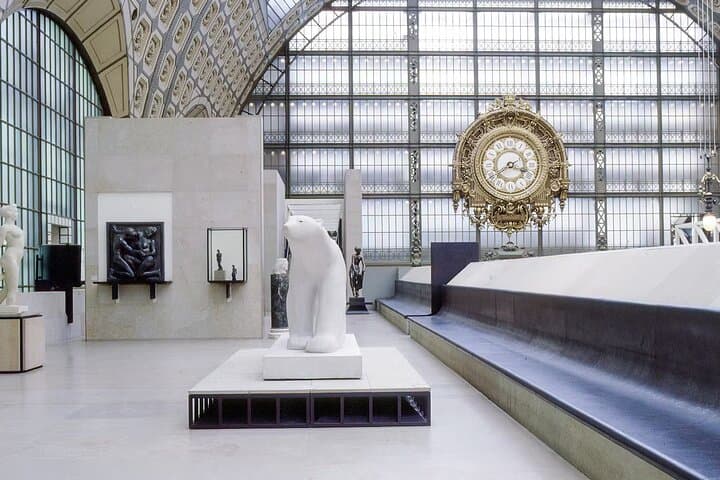
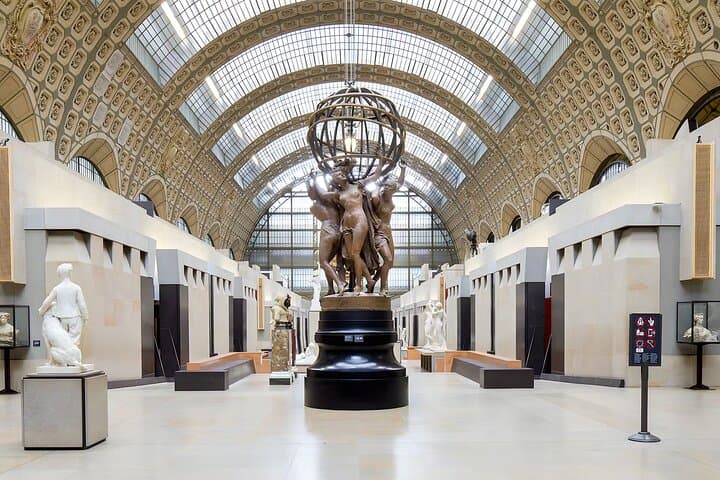
Stepping through the Orsay's cast-iron doors feels like walking into a paused moment of Paris — a vaulted glass roof above, the great clockface watching the Seine, and light brushing gilt frames. Visitors moving past the old departure boards exchange hurried glances with canvases that slowed time: impressionist strokes, bold Van Gogh swirls, and the soft luminosity of Monet.
Stepping through the Orsay's cast-iron doors feels like walking into a paused moment of Paris — a vaulted glass roof above, the great clockface watching the Seine, and light brushing gilt frames. Visitors moving past the old departure boards exchange hurried glances with canvases that slowed time: impressionist strokes, bold Van Gogh swirls, and the soft luminosity of Monet.
The building began life as Gare d'Orsay, a Beaux-Arts railway terminal completed for the 1900 Exposition Universelle. Reborn in 1986 as a museum, its architecture frames late 19th- and early 20th-century art: impressionism, post-impressionism, sculpture, and decorative arts. Its galleries chart a cultural shift — industrial age techniques, city life, and changing perspectives on light and form.
For travelers the practical payoff of fast-track tickets is immediate: bypassing queues leaves more minutes with masterpieces and less standing-room theater. The museum accepts mobile or printed vouchers and offers an optional audio guide via app. Cloakroom and accessible elevators smooth logistics for strollers and mobility needs.
Plan on 1–3 hours depending on focus; prioritize wings rather than trying to see everything. Mornings just after opening and late afternoons often carry fewer groups. Security checks and bag size limits apply — leave large suitcases at accommodation. Combine a visit with a Seine-side walk or the Tuileries to compare 19th-century visions of Paris.
Fast-track tickets are best when museum days are crowded or time is limited — they trade a small premium for a calmer, more focused visit among some of the era’s defining works.